South Africa, a nation renowned for its stunning landscapes, diverse wildlife, and vibrant culture, continues to court international visitors amid growing domestic tensions over immigration.
As tourist arrivals surge past pre-pandemic levels, a vocal grassroots movement is sending a clear message to foreigners: come, enjoy, spend but leave on time.
The trending discussions on X and other platforms reflect frustration with illegal immigration, not tourism itself. Groups like March and March have organized protests and set a June 30 deadline for undocumented migrants to leave, amplifying calls for tighter border controls and enforcement of visa rules.
While the movement insists its focus is on undocumented individuals straining resources amid high unemployment, the rhetoric has spilled into advice aimed at genuine tourists.
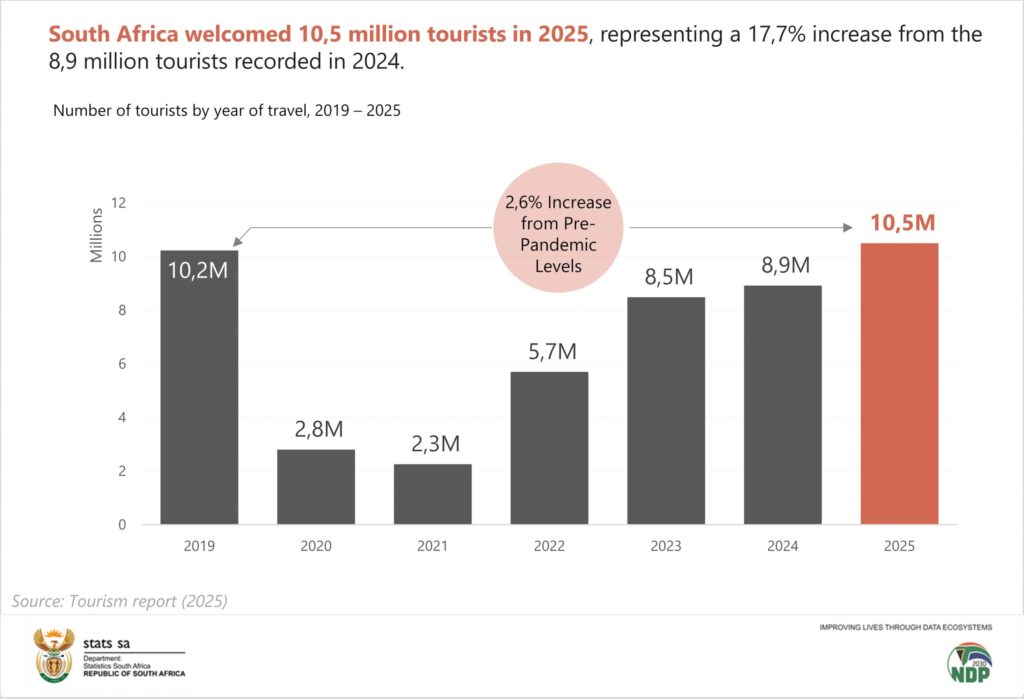
“Visit South Africa, but respect the rules and go back home when your time is up,” summarizes much of the online sentiment. This comes as the country recorded over 10.5 million tourists in 2025, surpassing 2019 figures, with continued growth into 2026 driven by holidaymakers from Africa, the UK, and Germany.
South Africa’s visa policy is straightforward for many nationalities. Citizens of over 80 countries, including most of Europe, the US, UK, and several African nations, can enter visa-free for up to 90 days. Extensions are possible but must be applied for properly in advance.
Overstaying triggers serious consequences: a ban of at least 12 months for stays up to 30 days over, and up to five years for longer violations. Authorities strictly enforce these rules at departure.
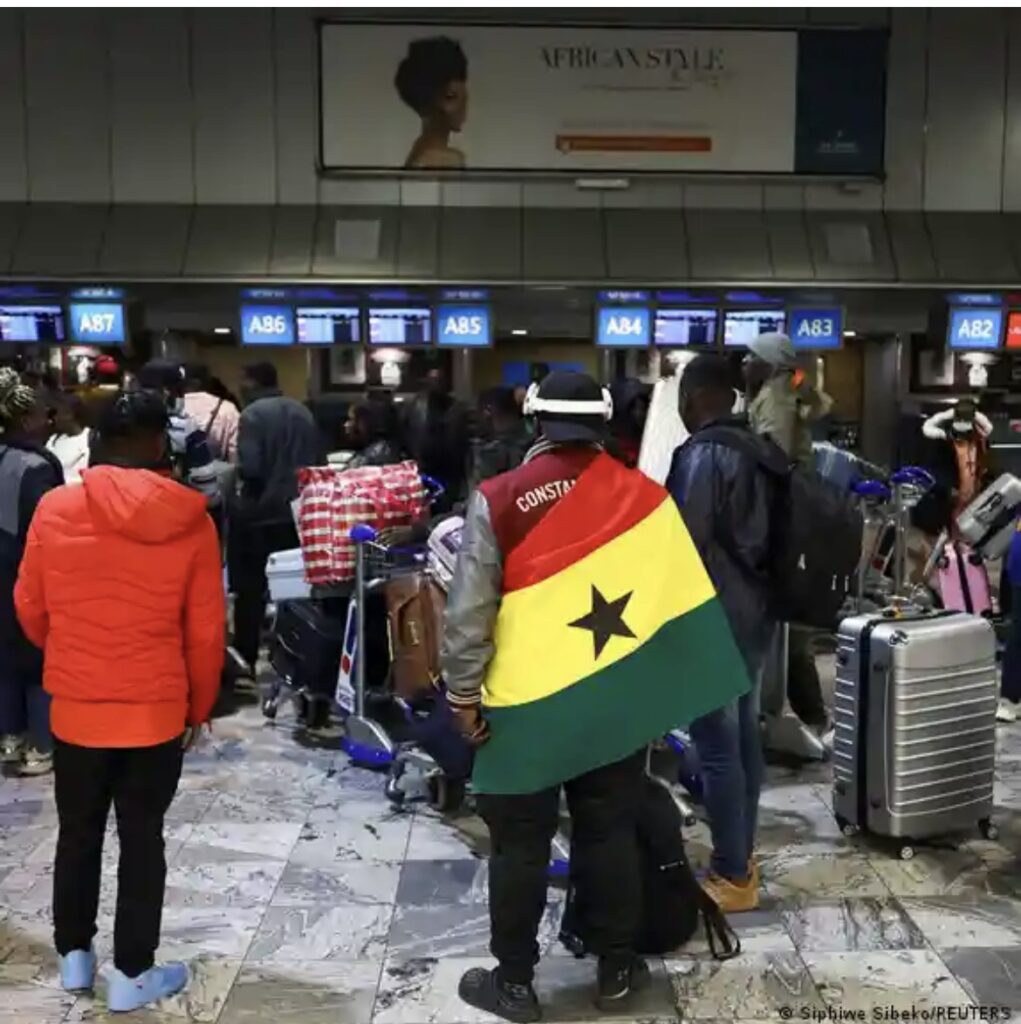
Tourism stakeholders worry that the heated immigration debate could deter visitors, especially from other African countries, who form the bulk of arrivals. Recent xenophobic incidents and protests targeting foreign-owned businesses have already prompted repatriation flights, such as for hundreds of Ghanaians, and travel advisories from various governments highlighting risks of unrest.
Yet industry leaders emphasize that legitimate short-term tourists remain welcome. “Tourism is a vital economic pillar employing millions,” said one Cape Town operator who asked not to be named.
“The message isn’t anti-foreigner , it is pro-compliance. Safari lodges, beaches in Durban, and the vineyards of Stellenbosch are ready for visitors who play by the book.”
The context is economic pressure. South Africa grapples with unemployment rates hovering around 32%, service delivery protests, and perceptions that undocumented migrants compete for jobs in informal sectors, access public services, and contribute to crime in some areas.
Government officials acknowledge challenges at porous borders but have warned against vigilantism, stressing that immigration enforcement is a state responsibility.
March and March, led by figures like Jacinta Ngobese-Zuma, describes itself as a civic movement seeking policy reform stricter visa issuance, better border management, and prioritization of locals. They have marched in major cities and plan further action, framing their campaign as protecting South African livelihoods rather than xenophobia.
Critics, however, fear the June 30 deadline could escalate tensions.
Potential Visitors
For potential visitors, practical advice is clear. Check passport validity (must extend at least 30 days beyond planned departure), secure return tickets, and avoid over-reliance on extensions. Travelers should monitor official advisories: many Western governments rate South Africa with “high degree of caution” due to crime, while urging awareness of possible demonstrations.
Positive stories abound. Tourists continue to rave about experiences in Kruger National Park, the Garden Route, and cultural festivals. International arrivals from key markets grew in early 2026, signaling resilience.
Analysts say the current spotlight on immigration could ultimately benefit tourism if it leads to clearer rules and safer environments. “Enforcing laws fairly reassures everyone , visitors and locals alike,” noted a Johannesburg-based tourism consultant.
Still, the narrative carries risks. Social media amplifies isolated incidents, and regional neighbors watch closely as repatriations occur.
Nigeria and Ghana have facilitated returns for some citizens, while broader African solidarity is tested.
South Africa’s Department of Tourism and Home Affairs maintain that the country is open for business. Campaigns like “Sho’t Left” target domestic travel, while international marketing highlights unique offerings from Table Mountain to Soweto.
As one viral post put it: “Come see the beauty, support the economy, but your vacation has an end date.” This blunt hospitality reflects a nation balancing pride in its attractions with deep domestic anxieties.
For travelers planning a trip, the guidance is straightforward: research visa requirements via official channels like the Department of Home Affairs, book with reputable operators, stay informed on local developments, and depart as scheduled. Those who do so will likely find the warm welcome South Africa is famous for.
With tourism on an upward trajectory, the challenge for authorities is to address legitimate immigration concerns without tarnishing the destination’s global image.
How the situation evolves around the June 30 deadline may determine whether this dual message -visit but leave strengthens or strains the sector in the months ahead.
READ ALSO:Ghana Overtakes Major Economies In Outsourcing Competitiveness