Paga in Ghana’s Upper East Region has become the first African community selected as a pilot for a Jamaican community tourism initiative. The Countrystyle Community Tourism Network officially launched the Royal Community Tourism Development Program in the Kassena-Nankana West District town on Tuesday, 20 October 2026.
The launch took place at Paga Town Park and brought together a Jamaican delegation led by the Network’s Chairman, Roy Page, and Senior Architect Jason Stone. Traditional leaders, residents and members of the Paga Youth Movement also attended. The programme operates under the Network’s “Villages as a Business Model,” which aims to convert local culture, heritage and tourism assets into sustainable economic opportunities while strengthening ties with the African diaspora.
Dr Prince Tengol Klepmani, the Network’s African Ambassador, has championed the initiative. It follows feasibility studies and consultations with traditional authorities and community members to assess Paga’s potential for community-based tourism. Organisers say the model seeks to turn participating villages into business destinations rather than passive hosts of visitors.
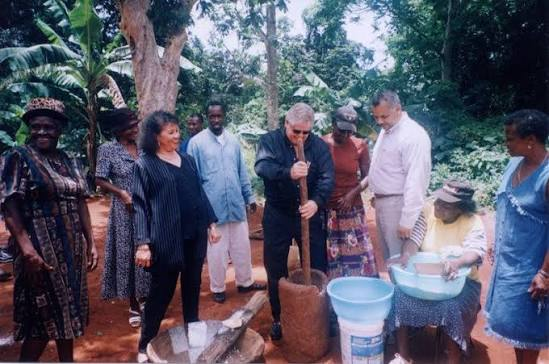
Key planned components include the creation of identity centres, known as Royal Truth Museums, to preserve and present the history, culture and heritage of local communities. Another pillar is the “Know Thyself” initiative, designed to foster cultural and business exchanges between Paga residents and members of the African diaspora, particularly those in the Caribbean, Europe and the Americas.
Total Number of Jamaicans to Visit
As part of the programme, approximately 100 Jamaicans are expected to visit Paga in 2027. The visitors will reconnect with African heritage while building personal, cultural and business relationships with the local community.
Some reports indicate the number could reach around 150, with discussions underway for charter flights that may also include business people interested in trade and investment.
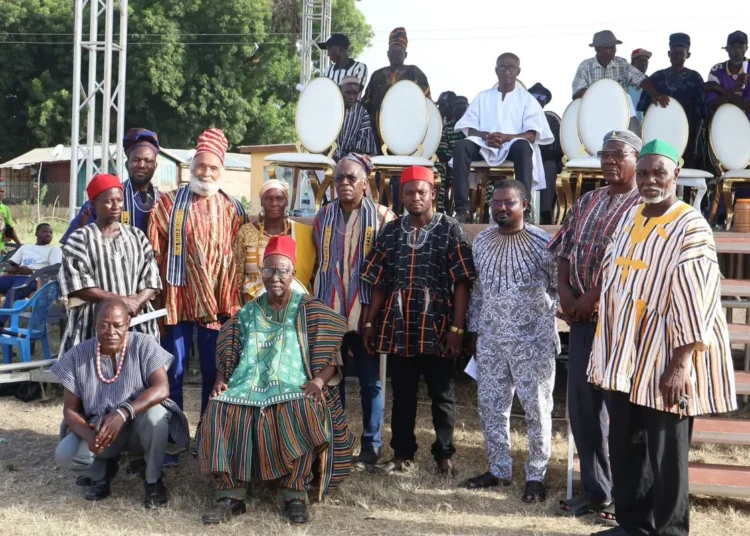
During their stay in northern Ghana, the Jamaican team paid homage to several traditional rulers. These included the Buipewura, Abdulai Jinapor II, Paramount Chief of the Buipe Traditional Area and Vice President of the National House of Chiefs; the Bongo Naba; the Navro-Pio; and the host chief, Paga Pio Charles Awiah Awampaga II, Paramount Chief of the Paga Traditional Area.
They also met Upper East Regional Minister Akamugri Donatus Atanga, who pledged government support, and held discussions with the Upper East Regional Office of the Ghana Tourism Authority, led by Regional Director Joseph Appiagyei.
To evaluate tourism assets, the Ghana Tourism Authority’s regional office and the Paga Youth Movement guided the delegation to major sites. These included the Pikworo Slave Camp, Paga’s two well-known crocodile ponds (the Chief Pond and Zenga Pond), the Ghana-Burkina Faso border and the Upper East Regional Museum. The visits underscored Paga’s historical links to the transatlantic slave trade and its natural and cultural attractions.
The Countrystyle Community Tourism Network, based in Mandeville, Jamaica, specialises in training communities in hospitality, entrepreneurship and tour design. Chairman Roy Page has emphasised that the goal extends beyond tourism to turning communities into businesses.
Investment plans under discussion also cover agriculture and entertainment. A physical and digital cultural centre is proposed to document Paga’s history and heritage while providing skills training for young people.
Role of the Paga Youth Movement
The Paga Youth Movement has welcomed the pilot and issued an open invitation to investors, development partners and tourism developers. Leaders of the movement described the programme as an opportunity to create jobs, empower youth and women, support local businesses, preserve heritage and improve livelihoods. They urged residents to prioritise collective progress.
Paga’s selection as the first African pilot positions the town as a potential model for heritage-based tourism and diaspora engagement. Organisers hope the experience can later be replicated in other Ghanaian communities and across the continent. The timing aligns with preparations for Ghana’s 70th Independence Anniversary celebrations in 2027, when increased interest from the diaspora is anticipated.
Local stakeholders view the partnership as a chance to leverage existing assets-sacred crocodiles, slave-trade history, cross-border location and traditional culture into organised tourism experiences that benefit residents directly. Training in hospitality and business is expected to equip community members to manage and profit from the growing visitor interest.
The launch marks a practical step in building Africa-Caribbean tourism links grounded in shared history and mutual economic benefit. With traditional authorities, the regional government, the Ghana Tourism Authority and youth groups already engaged, Paga is set to test a community-owned approach that could reshape how rural heritage destinations develop across Africa.
Further details on the cultural centre, training schedules and exact visitor arrangements for 2027 are expected in the coming months as the pilot moves from planning into implementation.
READ ALSO:Former Gender Minister Demands Accountability In Obuasi SHTS Case