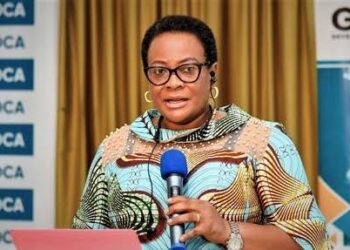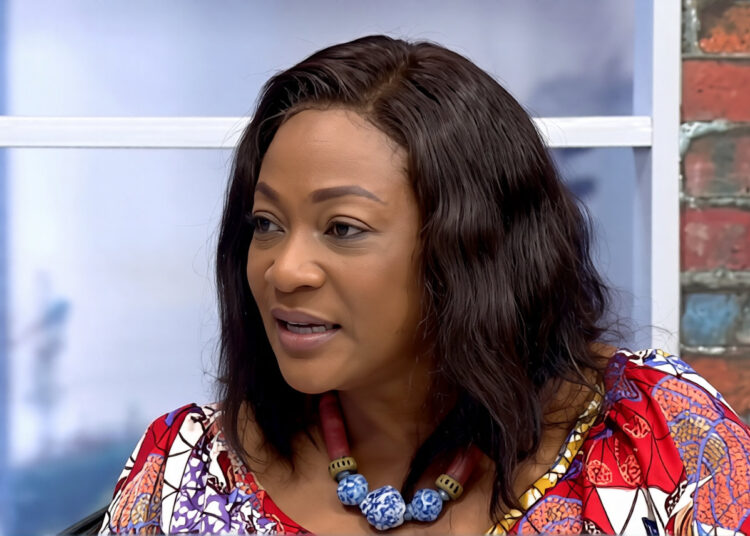
Former Minister of Gender, Children and Social Protection, Otiko Afisah Djaba, has called for a thorough investigation into the alleged sexual abuse at Obuasi Senior High Technical School (SHTS), warning against any attempt to conceal the case or shield those implicated from accountability.
Describing the allegations involving the interdicted headmaster as “horrifying,” Madam Djaba stressed the need to protect the students, their families, teachers who raised concerns and even the investigative journalist Manasseh Azure Awuni from “intimidation, harassment or victimisation.”
“Let nobody sweep this under the carpet. Let nobody clear anybody. Justice demands a thorough investigation, and that investigation must take place.”
Otiko Afisah Djaba
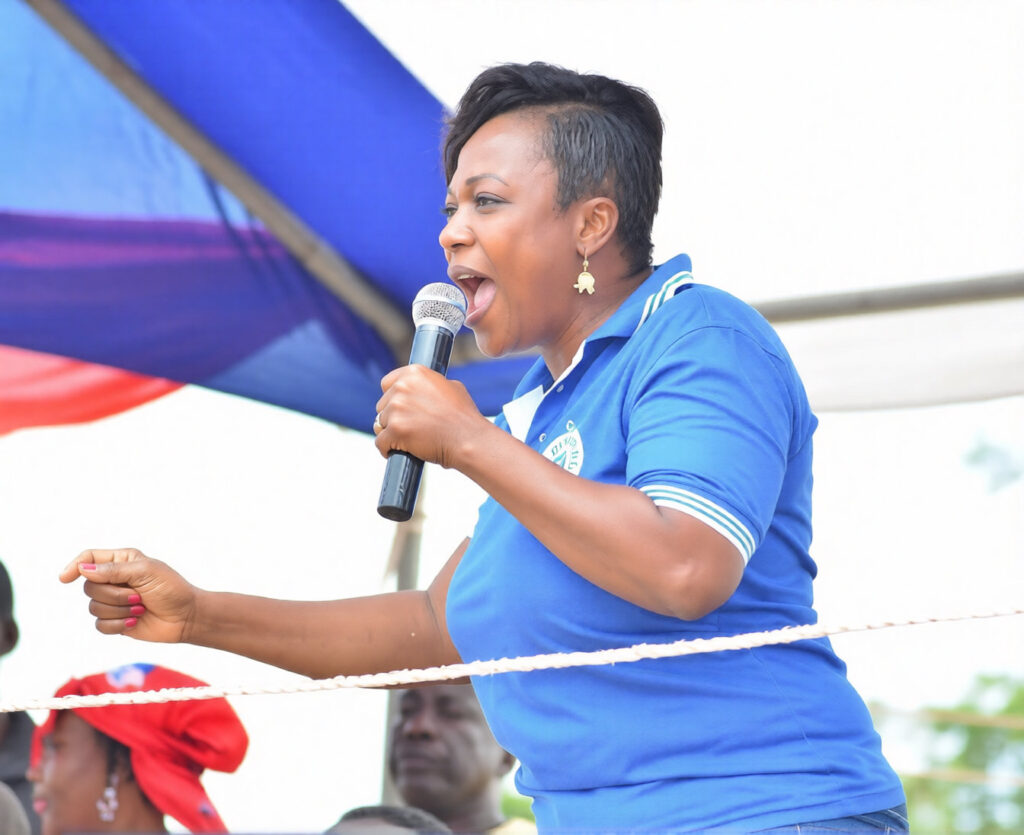
The former Gender Minister stressed that the allegations demand a thorough investigation, particularly given concerns that similar incidents may have occurred at other schools. She warned that the Obuasi case could represent only a fraction of a wider problem, with some victims potentially remaining silent because of fear, vulnerability or doubts about whether justice would be served.
Madam Djaba also criticised attempts to resolve alleged sexual offences privately, emphasising that rape allegations constitute criminal matters that must be reported to the appropriate authorities. She insisted that no individual, political figure, institution or traditional authority should be shielded from accountability if an investigation establishes culpability.
For the activist, the welfare of the girls must remain central throughout the process. She called for psychological support for affected students and their families, noting that sexual trauma can have lasting consequences for young people, particularly those who experienced the alleged incidents during adolescence.
“This is a call for all of us as a nation,” she declared, urging government officials, chiefs, education authorities, the police, the Domestic Violence and Victim Support Unit (DOVVSU), parents and the media to demand answers and ensure that the allegations receive the necessary scrutiny.
She further expressed concern that the case has reportedly been unfolding since 2025, with the recent documentary bringing renewed public attention to the allegations. In her view, the delay underscores the need for institutions to respond decisively when concerns about student safety emerge.
Madam Djaba insisted that justice must not depend on a victim’s social standing or a family’s financial circumstances. She called for a transparent process that protects complainants while allowing the relevant authorities to establish the facts and determine responsibility under the law.
The Police Must Protect Every Citizen
Former Gender Minister, Otiko Afisah Djaba further questioned the police’s response to allegations of sexual abuse at Obuasi Senior High Technical School (SHTS), urging law enforcement and education authorities to investigate concerns comprehensively and protect all students who may have experienced misconduct.
Her criticism follows reports that 19 girls have come forward with allegations involving the interdicted headmaster, although the police reportedly indicated that only one complainant has formally reported a case and that the docket has been forwarded to the Attorney-General for advice.
“The police are to protect us, all of us, not some and not influential people. It’s especially for the weak, like I keep saying, for the vulnerable, those who can’t help themselves.”
Otiko Afisah Djaba

Madam Djaba expressed concern that limiting investigations to formally reported complaints could leave other allegations unexplored. She urged the police to consider the wider circumstances and establish whether additional complainants require support or whether further investigative steps are warranted within the law.
The activist also questioned whether political connections could influence how authorities handle allegations involving powerful individuals. However, she called for a process grounded in fairness and accountability, insisting that both the complainants’ rights and the rights of the accused must be respected.
“When a child complains of an assault, you must investigate it,” she emphasised, arguing that allegations involving minors warrant careful attention and that anyone whose conduct is under investigation should not be allowed to obstruct the process.
The former Gender Minister also challenged the notion that the presumption of innocence should eclipse the rights of complainants. She posited that the girls must equally be treated as entitled to protection and a fair hearing, while stressing that guilt must ultimately be determined through the proper legal process.
In addition, Madam Djaba referenced a research that identified at least 44 teacher-abuse cases in schools since 2015, with more than half reportedly lacking clear outcomes. She cited the figures as a reason for stronger institutional follow-up and more transparent communication about investigations.
She called on the Ghana Education Service, the police and other duty bearers to provide appropriate updates and ensure that complaints are not abandoned after initial public attention fades.