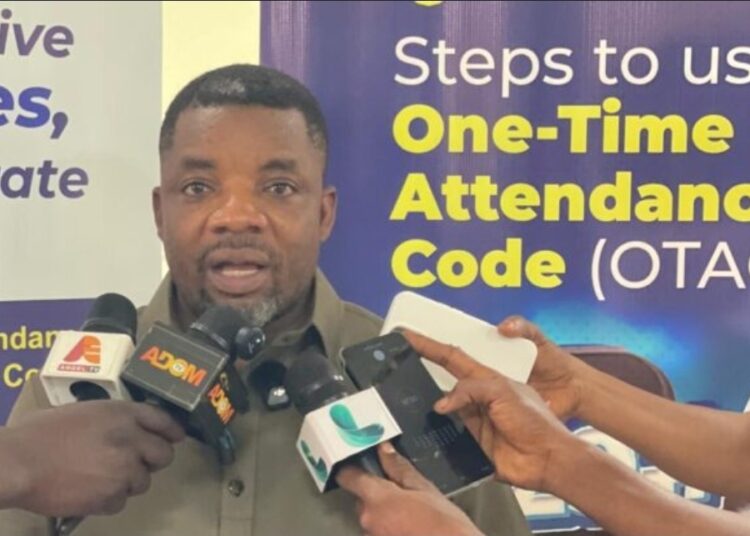
The National Health Insurance Authority (NHIA), Greater Accra Regional Office, has commenced a two-day Training of Trainers programme to prepare selected staff for the implementation of its One-Time Attendance Code (OTAC) system, a digital intervention designed to strengthen claims verification and protect the financial sustainability of the National Health Insurance Scheme (NHIS).
The training, scheduled for November 17 to 18, 2026, brings together personnel from the Greater Accra Regional Office, district offices and the Accra Claims Processing Centre. It focuses on the NHIS Electronic Health Facility Attendance Management System (NeHFAMS), which supports the generation and authentication of attendance codes.
The exercise forms part of the Authority’s wider preparations for nationwide implementation of the digital system, following an earlier training programme for regional teams held in the Ashanti Region on November 5 and 6.
The Greater Accra programme is expected to equip participants with the technical knowledge to operate the system and transfer the skills acquired to colleagues and other relevant personnel ahead of its broader deployment.
NHIA Intensifies Preparation for Digital Claims Verification
Facilitated by the Regional Management Information Systems (MIS) Manager, Benjamin Ankrah, alongside Monitoring and Evaluation Senior Officer Daniel Larbi and Monitoring and Evaluation Officer Solomon Owusu, the sessions cover the objectives of OTAC, its operational procedures and the processes involved in generating attendance codes.
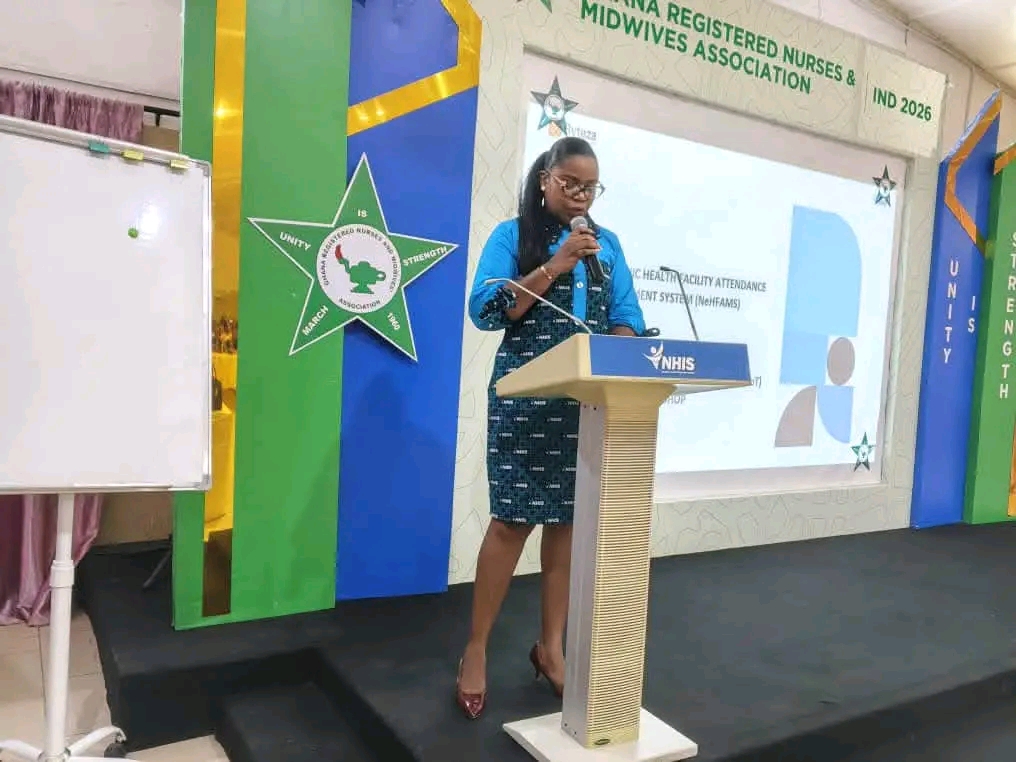
Participants are also being prepared to understand how the digital solution will support the verification of NHIS members’ attendance at healthcare facilities.In her opening remarks, Greater Accra Regional Director, Marguerita Naa Tsaakor Taylor-Plange, Esq., urged staff to support the NHIA Executive Management’s commitment to fully implementing the system.
She highlighted Chief Executive Dr Victor Asare Bampoe’s emphasis on OTAC as a key intervention to address fraudulent claims, improve accountability and safeguard the Scheme’s domestic financial resources.
Taylor-Plange further encouraged participants to take the training seriously and ensure that the knowledge gained was effectively shared with colleagues who were not directly involved in the exercise. The Regional Operations Manager, Harold Kalevor, also outlined the objectives of the programme and urged participants to remain attentive and actively engage with the facilitators.
OTAC Targets Fraud and Financial Leakages
The introduction of OTAC comes amid concerns about irregularities in claims submitted by some healthcare providers and the financial pressures facing the NHIS. In August 2026, the NHIA announced a 50 per cent increase in service tariffs for credentialed healthcare providers as part of efforts to improve reimbursement and strengthen healthcare delivery.
However, the Authority indicated that financial safeguards were necessary to prevent increased payments from worsening existing claims leakages.According to the NHIA, at least 15 per cent of claims being reimbursed could be ineligible, potentially representing about GH¢400 million in annual losses.

The Authority warned that the financial exposure could approach GH¢1 billion annually if existing leakages persisted following full tariff adjustments. Dr Bampoe has therefore identified OTAC as an important accountability measure, explaining that it would help verify patient attendance and confirm that services were delivered before claims were processed.
The Chief Executive emphasised the need for stronger financial controls, declaring: “We must account for every reimbursed claim and ensure that resources are directed towards actual healthcare delivery.”
How the Digital Attendance System Works
Under the OTAC arrangement, NHIS members generate a unique attendance code before visiting a healthcare facility. Members can obtain the code by dialling *929# and selecting Option 5.At the facility, the code is authenticated through the NeHFAMS platform.
Successful verification helps establish that the member attended the facility, while a Claims Check Code (CCC) is generated to support the claims process.The system is also designed to strengthen referral authentication.

According to the NHIA, facility staff can verify a member’s identity and referral status before a new CCC is generated for the visit. The Authority has explained that the digital process is expected to reduce fraudulent billing, impersonation, duplicate claims and other irregularities that undermine the Scheme.
Regional Teams Expected to Lead Wider Implementation
The Greater Accra training follows the NHIA’s November 5–6 national Training of Trainers workshop in Kumasi, which brought together regional directors, operations managers, MIS managers and public relations managers from 12 regions preparing for the rollout.
The Authority expects trained personnel to cascade the knowledge to district offices and healthcare providers to ensure consistent implementation. The Greater Accra sessions have also provided an interactive platform for participants to seek clarification on the technical requirements and practical application of the system.
As the NHIA advances its digital reforms, the success of OTAC will depend not only on staff preparedness but also on cooperation from healthcare providers and public understanding of the new attendance verification process. The initiative forms part of broader efforts to improve transparency, reduce financial leakages and ensure that NHIS resources support genuine healthcare services for members.
READ ALSO: Obama Greenlights Free YouTube Release Of Ghana Film