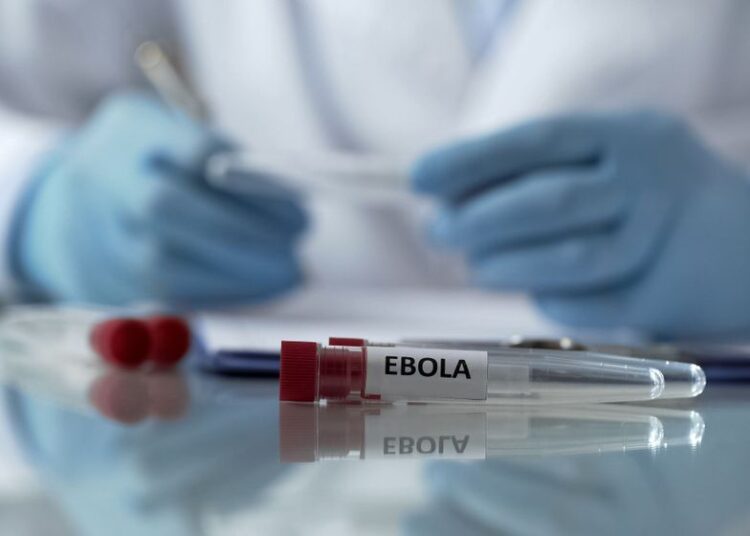
The Ebola outbreak in the eastern Democratic Republic of Congo (DRC) continues to spread at an alarming pace, with more than 11,000 infections and 5,500 deaths recorded in six months, as insecurity, funding shortages and weaknesses in the public health response hamper efforts to contain the disease.
The outbreak, caused by the rare Bundibugyo strain of the Ebola virus, has spread at an alarming rate. The latest figures have placed the outbreak among the most severe Ebola emergencies recorded globally, surpassing previous outbreaks in the Central African nation and approaching the scale of the devastating epidemic that affected several West African countries more than a decade ago.
According to the figures, infections and deaths are rising at approximately twice the rate recorded during the first six months of the 2014–2016 West African Ebola outbreak, which remains the largest on record globally.
That epidemic affected more than 28,600 people and claimed over 11,000 lives, primarily in Guinea, Liberia and Sierra Leone, according to the World Health Organization (WHO).
Although the current outbreak has not yet reached the overall number of infections recorded during the West African epidemic, its rapid progression has raised concerns about the potential scale of the emergency if containment measures remain ineffective.
The Democratic Republic of Congo has endured several Ebola outbreaks over the years, but none has reached the scale of the current crisis. Now the country’s 17th recorded outbreak, it has already exceeded the 2018–2020 epidemic, which was previously the largest in its history.
That outbreak ended with 3,481 confirmed cases and 2,299 deaths, figures that the current emergency has exceeded considerably in both infections and fatalities.
The difference in scale highlights the pressure confronting the country’s health authorities as they attempt to contain an epidemic that has continued to spread despite ongoing response operations.
Insecurity and Poor Coordination Disrupt Health Response
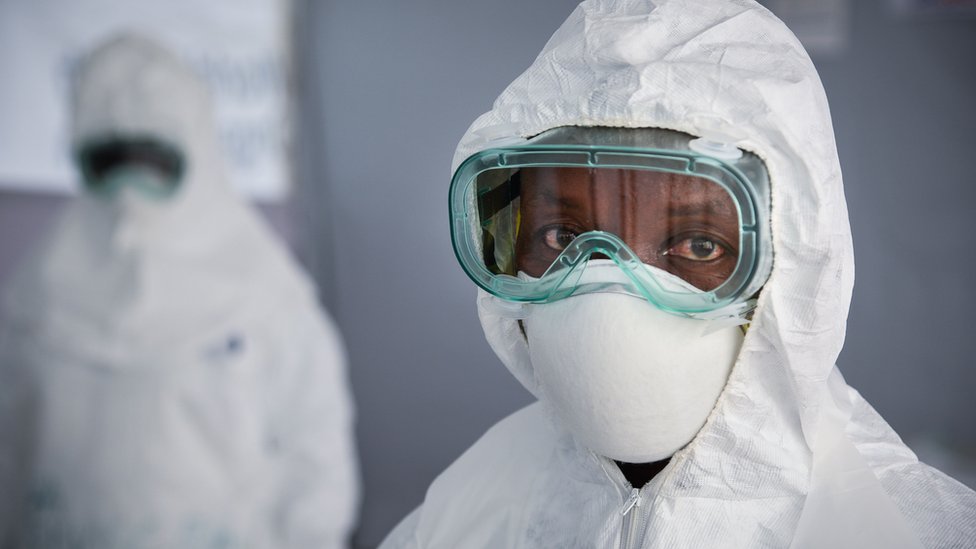
Also, persistent insecurity has emerged as one of the most significant obstacles to containing the outbreak, with health workers, vehicles and surveillance teams coming under attack in communities where distrust of outsiders has complicated response operations.
The attacks have disrupted activities that are central to controlling Ebola, including disease surveillance, identifying people who may have been exposed to infected individuals and delivering medical assistance to affected communities.
When health personnel cannot operate safely, their ability to investigate suspected cases, monitor the spread of infections and provide timely interventions becomes restricted. Such disruptions make it more difficult for response agencies to establish contact with communities that require immediate assistance.
WHO Director-General Tedros Adhanom Ghebreyesus identified insecurity as one of the greatest challenges confronting the response.
The medical charity Médecins Sans Frontières (MSF) also raised concerns last week about the distribution of essential resources, indicating that vital supplies were still failing to reach outbreak hotspots outside the original epicentre in Ituri province.
The situation suggests that the challenges are not limited to the availability of medical resources but also involve getting those supplies to the locations where they are urgently needed.
As infections spread beyond the initial epicentre, the ability of response agencies to extend their operations and maintain adequate supplies across affected areas becomes increasingly important.
Delays in reaching emerging hotspots leave communities with limited access to the support required to respond to new infections.
Funding Pledges Yet to Reach Response Teams
Also, financial constraints and concerns about the coordination of international assistance are adding to the difficulties confronting the Ebola response, despite substantial commitments from donors and development partners.
Approximately $2.9 billion has been pledged towards the response, but less than half of the promised funding has been disbursed, according to the Africa Centres for Disease Control and Prevention (Africa CDC).
The difference between pledged and released resources has raised concerns about the availability of funds needed to sustain emergency operations as infections and deaths continue to increase.
Although financial commitments indicate international willingness to support containment efforts, the gap between promises and actual disbursements presents a challenge for agencies that require timely resources to maintain their activities.
Emergency health responses depend on the ability to mobilise funding when it is needed, particularly when outbreaks continue to spread and operational requirements increase.
Delays in releasing pledged resources complicate the planning and delivery of interventions, including the procurement and distribution of essential supplies.
The funding situation is also closely connected to concerns about how international assistance is being coordinated.
The Africa CDC has urged donors to work closely with the government in Kinshasa to prevent resources from being wasted through duplicated interventions and overlapping activities.
READ ALSO: Huang Agrees To Testify Before Congress Over National Security Concerns