The Government of Ghana will undertake major public financial management and legislative reforms in 2027, including a review of the Public Financial Management Act and amendments to laws governing the enforcement of court judgments.
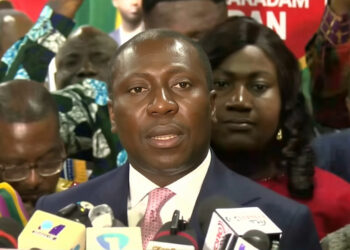
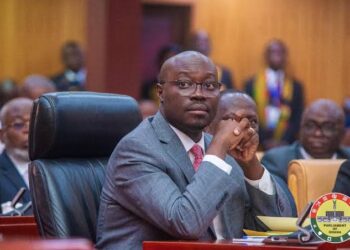
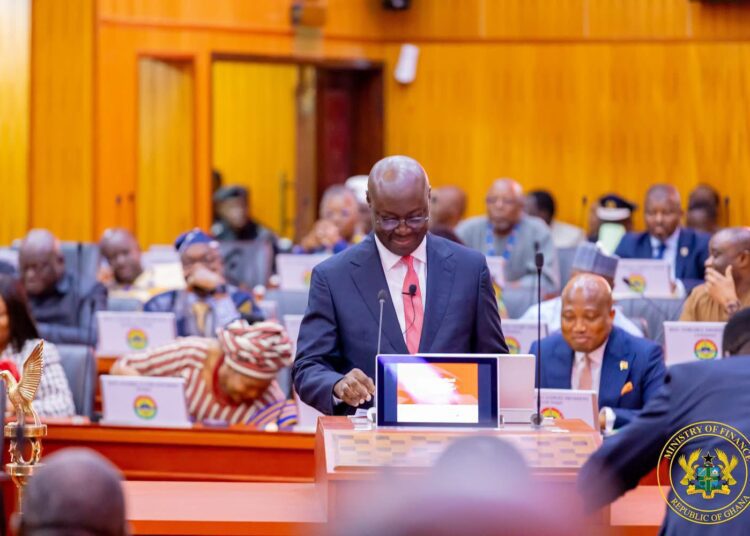
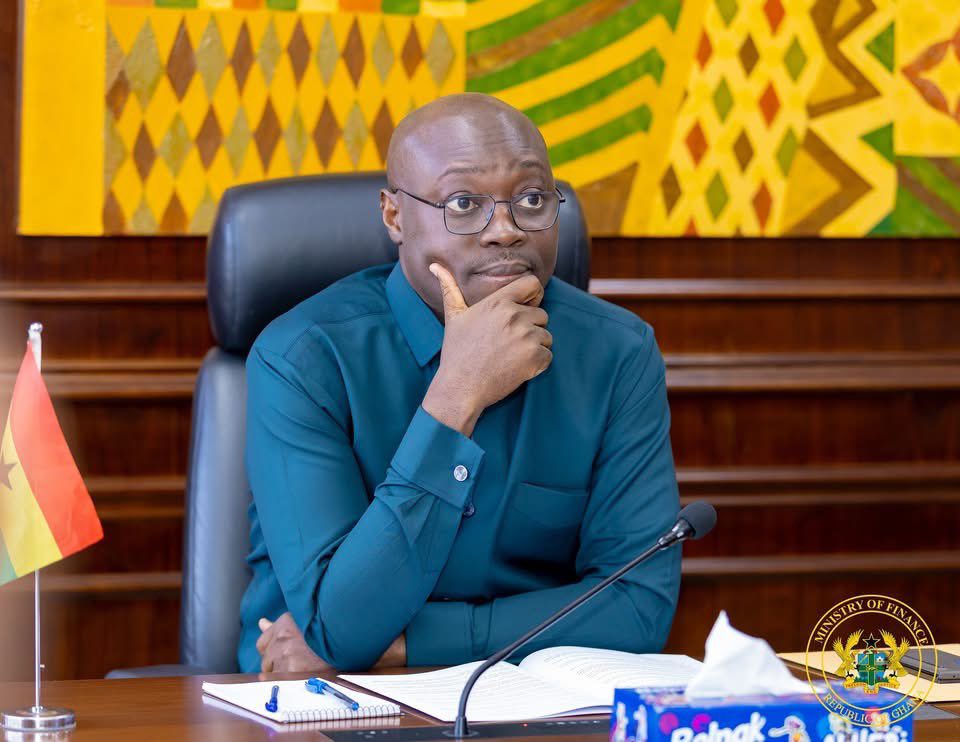
Presenting the 2027 Budget to Parliament, the Minister of Finance, Dr Cassiel Ato Forson outlined the measures as part of efforts to strengthen expenditure management, protect public funds and expand financing for youth employment.
The Finance Minister explained that the proposed changes would modernise public financial administration while preventing the attachment of essential constitutional and statutory funds to satisfy judgment debts.
“This reform will free up additional 1 billion Ghana cedis for the Youth Employment and Enterprises Program. And Mr. Speaker, in the course of the year 2027, we will introduce a TVET Fund to enhance skills and training.”
Dr Cassiel Ato Forson
Another significant measure will involve an amendment to the State Proceedings Act, 1998 (Act 555). The proposed bill will prevent judgment creditors from attaching constitutional and statutory funds, including the Consolidated Fund and Contingency Fund, while limiting garnishee orders and other enforcement measures to the agencies whose defaults occasioned the proceedings.
The Ajumako Enyan Esiam MP cited the June 2026 floods as an illustration of the difficulties created by the existing arrangements. Although Parliament approved the release of the Contingency Fund during the emergency, the money could not be accessed because the fund had been garnisheed.
Dr Forson indicated that the amendment would allow court judgments to be settled fairly and systematically without impairing the operations of public institutions. The proposal, therefore, seeks to balance the enforcement of judicial decisions with the state’s capacity to discharge essential responsibilities.
Turning to youth employment financing, the Finance Minister announced plans to amend the Earmarked Funds (Capping and Realignment) Act, 2017 (Act 947). The reform is expected to release an additional GH¢1 billion for the Youth Employment and Enterprises Programme.
Moreover, proceeds from the Communication Service Tax allocated to the programme would no longer be capped. Government will also modernise the Youth Employment Act to harmonise its youth employment initiatives and improve the coordination of opportunities and skills development.
The Government will similarly uncap levies earmarked for Ghana Exim Bank. From 2027 to 2030, the bank will dedicate at least 40 percent of revenue from the Ghana Export-Import Levy to commercial poultry and feed production under the New Economy Programme.
Dr Forson explained that the bank would work with industry players to expand domestic production, support farmers and feed producers, reduce reliance on imported poultry products and create jobs across the value chain.
Government Secures Three Billion Dollars For Accra-Kumasi Expressway
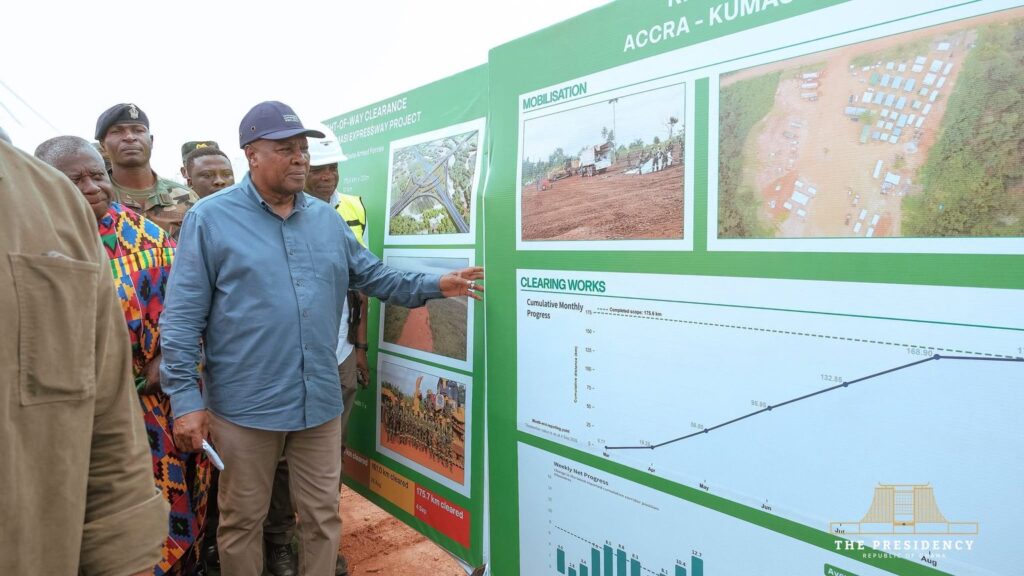
Meanwhile, the Government of Ghana has secured approximately US$3 billion for the construction of the Accra-Kumasi Expressway, with the funds held in a dedicated project account at the Bank of Ghana.
The Minister of Finance, Dr Cassiel Ato Forson, confirmed that the financing has been accumulated without borrowing, following savings from petroleum revenues and mineral royalties.
The Finance Minister indicated that the funding commitment, announced in the previous year has now been met through disciplined savings and improved economic management. He also outlined the outcome of the project preparation process, which has brought the engineers’ construction estimate below the initial US$4 billion projection.
“The money is in the safe custody of our Central Bank. Before actual construction of the Accra-Kumasi Expressway begins, the money is ready.”
Dr Cassiel Ato Forson
Dr Forson announced that, as of November 11, 2026, the project account held US$2.2 billion and GH¢9 billion. Together, the balances were equivalent to approximately US$3 billion, which he presented as the secured financing for the expressway.
The Ajumako Enyan Esiam MP explained that the Government has dedicated annual budget funding from petroleum revenues, alongside mineral royalties, exclusively to the project with Parliament’s approval. He attributed the accumulation of the funds to prudent economic management, disciplined savings and efficiency gains, insisting that the financing had been secured without recourse to borrowing.
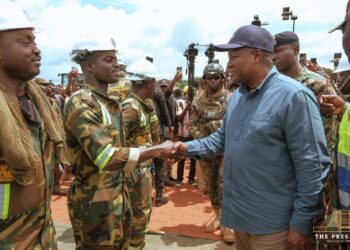
“Promise made, promise fulfilled without borrowing,” Dr Forson declared, recalling earlier doubts about the Government’s ability to finance the project. He also acknowledged the Ghana Armed Forces for their professionalism and contribution to the preparatory work.
Beyond the financing, the Finance Minister outlined the results of the feasibility studies, engineering designs, costing exercises and environmental and social assessments undertaken before construction. These technical assessments have established the construction estimate for the 198.7-kilometre, six-lane expressway at US$2.98 billion.
The estimate includes contingencies, supervision and compensation costs amounting to US$200 million. Dr Forson pointed out that, “we have saved over $1 billion dollars,” linking the reduction to the detailed project preparation and costing process.
The Finance Minister further confirmed that the tendering process have commenced, with tenders issued through international competitive tendering.
Dr Forson also thanked the Ghana Armed Forces for their role in the project’s preparation, recognising their dedication and professionalism. He presented the secured funds and completed technical assessments as evidence that the Government has fulfilled its financing commitment ahead of construction.
READ ALSO: Ato Forson Revisits Economic Decisions Behind Ghana’s Debt Crisis