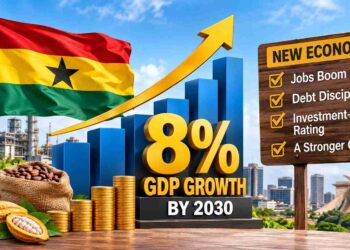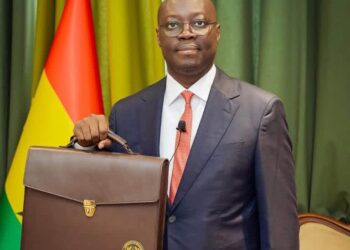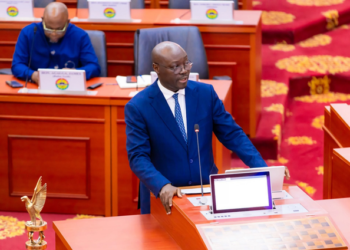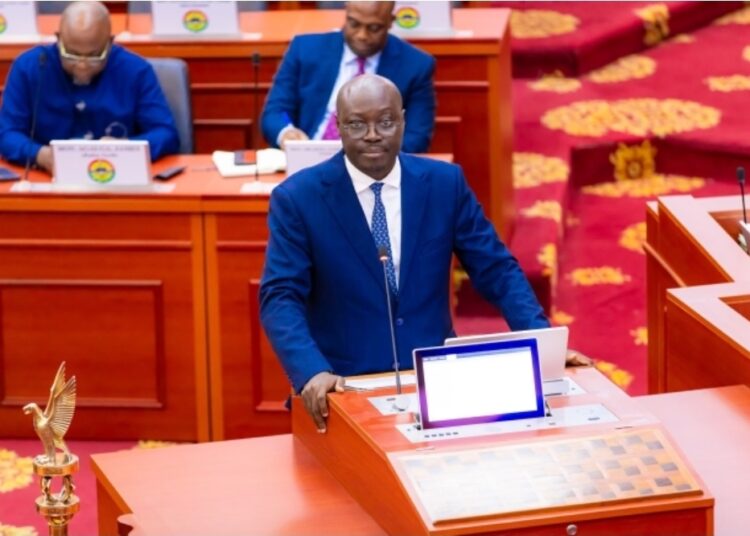
Finance Minister Dr Cassiel Ato Forson has attributed Ghana’s 2022 economic crisis to reckless government expenditure, weak revenue mobilisation and expensive borrowing, arguing that years of fiscal indiscipline and inconsistent economic policies undermined the country’s development potential.
Presenting the 2027 Budget Statement and Economic Policy to Parliament on Thursday, November 12, 2026, Dr Forson recounted Ghana’s economic history, tracing its persistent challenges to successive interruptions in national development efforts and the failure of governments to sustain a consistent economic direction.
He maintained that although Ghana had experienced periods of economic growth since independence, the gains had repeatedly been undermined by instability, policy changes and the need to repair recurring financial crises.
Ghana’s Development Interrupted by Successive Economic Crises
Reflecting on Ghana’s post-independence economic ambitions, Dr Forson recalled the vision of the country’s first President, Osagyefo Dr Kwame Nkrumah, who recognised that political independence required economic emancipation. He noted that Nkrumah’s generation pursued an industrialised economy supported by infrastructure, education, electricity and purposeful state capacity.
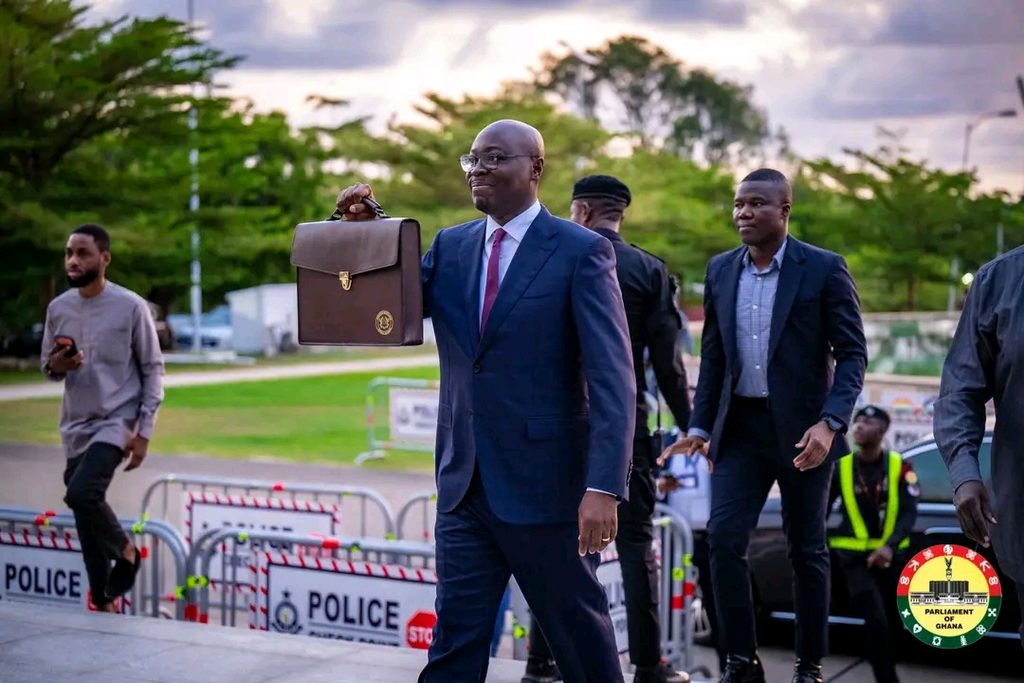
However, the Finance Minister argued that Ghana had struggled to maintain a common economic direction following Nkrumah’s era, resulting in repeated interruptions to development efforts.
“After Dr Nkrumah, our nation has struggled to sustain a shared economic direction long enough to fulfil its potential.”
Dr. Cassiel Ato Forson, Minister of Finance
According to him, successive governments had undertaken development projects and supported business growth, but these efforts were frequently disrupted by economic instability, changes in policy direction and the urgent need to address emerging crises.
He cited an average real Gross Domestic Product (GDP) growth rate of 5.2 per cent between 1990 and 2025, explaining that the figure concealed considerable volatility within the economy. He further identified Ghana’s dependence on raw commodity exports, particularly gold, cocoa and oil, as a major contributor to economic instability, noting that extractive industries accounted for approximately 16 per cent of GDP growth over the preceding decade.
Reckless Spending and Expensive Borrowing Triggered 2022 Crisis
Dr Forson identified the 2022 economic crisis as an exposure of longstanding weaknesses in Ghana’s public financial management, arguing that temporary economic gains had been used to support permanent government expenditure commitments.
He attributed the country’s financial difficulties to excessive spending, inadequate revenue mobilisation and costly borrowing, which combined to produce fiscal deficits that could no longer be sustained.
“Temporary booms had financed permanent commitments. Reckless spending, weak revenue, and expensive debt produced deficits that could no longer be sustained.”
Honourable Cassiel Ato Forson, Finance Minister of Ghana
The Finance Minister maintained that the situation eventually pushed Ghana into debt distress, leaving the country unable to meet its debt repayment obligations.He recalled that by the end of 2022, inflation had reached 54.1 per cent, while the primary balance recorded a deficit of 4.3 per cent of GDP.
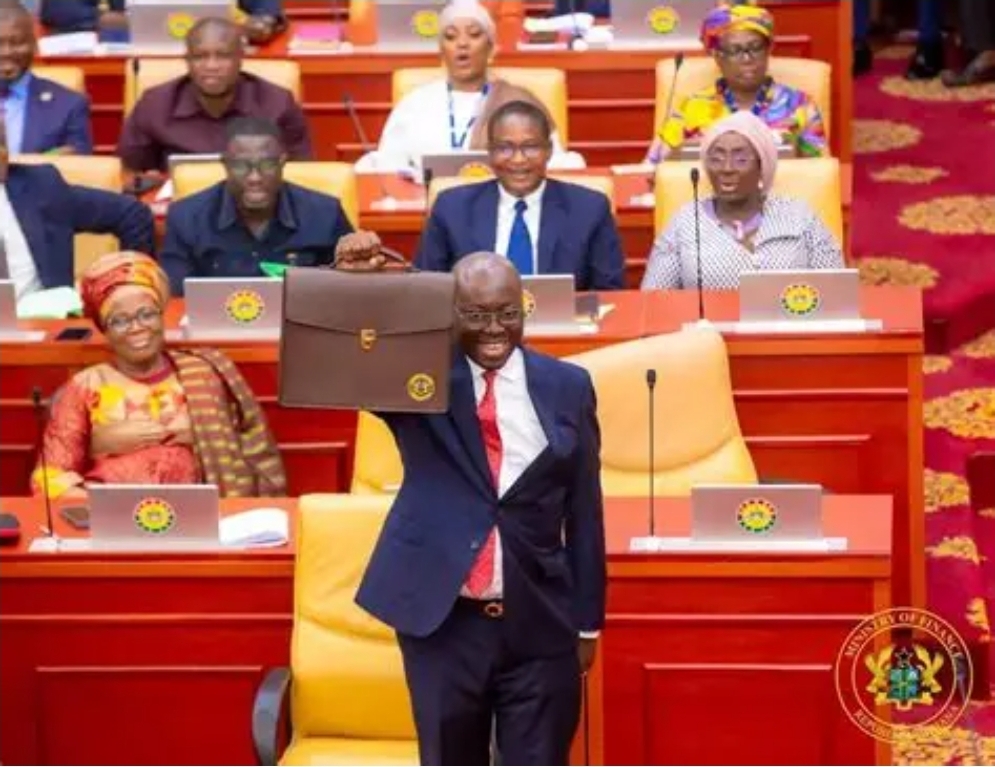
He also cited the International Monetary Fund’s Debt Sustainability Analysis, which he indicated placed Ghana’s debt above 100 per cent of GDP, while gross international reserves had fallen to less than three weeks of import cover. These indicators, he explained, demonstrated the extent of the financial difficulties confronting the country at the time.
Households and Businesses Bore the Cost of the Crisis
Beyond the economic indicators, Dr Forson emphasised the impact of the crisis on ordinary Ghanaians, arguing that the financial difficulties translated into severe hardships for households, businesses and investors.
He explained that rising food prices, increased transport fares and the growing cost of medicines placed considerable pressure on families already struggling with diminished purchasing power. The depreciation of the cedi and high interest rates also affected businesses, making operations and financial planning increasingly difficult.
According to him, families were compelled to make difficult decisions, including postponing expenditure on education, housing and healthcare.He further recalled that the domestic debt restructuring resulted in financial losses for households, pension funds, banks, businesses and investors.
“The Ghanaian people paid a heavy price. We owe them something greater than recovery,” he declared. Dr Forson maintained that the sacrifices made during the crisis should not become a burden inherited by future generations, insisting that economic recovery must deliver lasting improvements in people’s lives.
Government Highlights Economic Recovery After 2022 Crisis
Dr Forson reported that measures undertaken in 2025 had helped restore economic stability, improve public finances and strengthen Ghana’s external reserves.
According to the Finance Minister, inflation declined from 23.8 per cent to 5.4 per cent by the end of 2025, while the primary balance improved from a deficit of 4.1 per cent to a surplus of 2.5 per cent of GDP. He further reported that public debt had declined to 44.7 per cent of GDP, with gross international reserves increasing to 5.7 months of import cover.
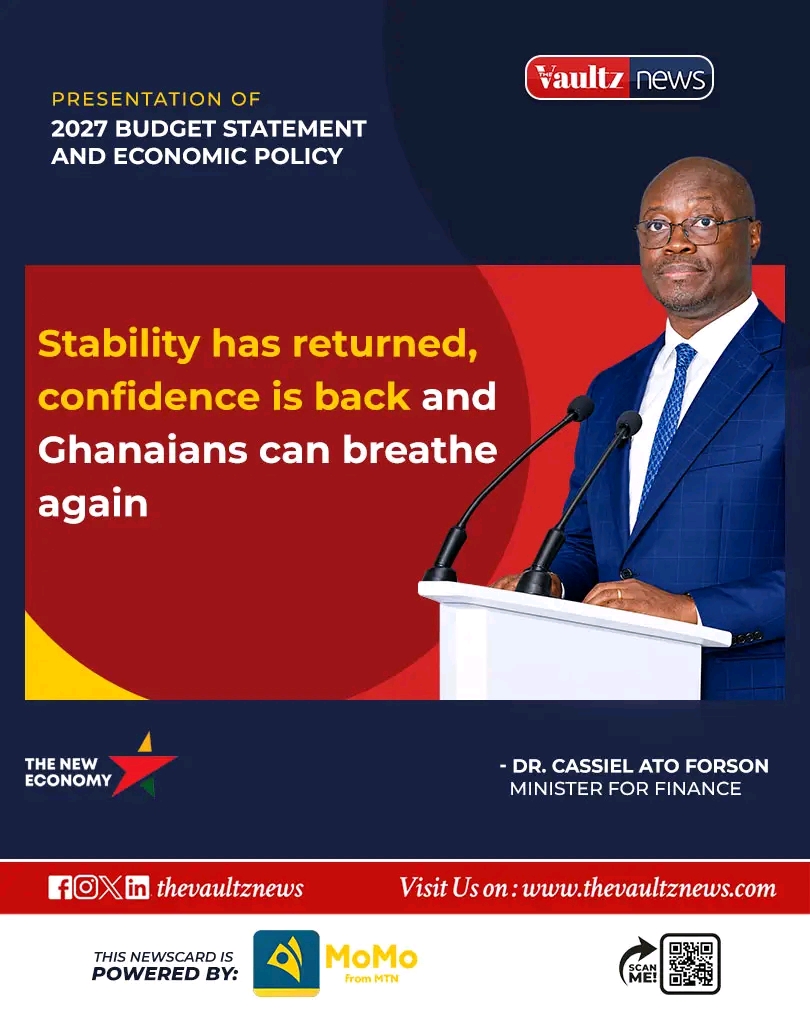
However, he acknowledged that improved economic indicators could not compensate families for the hardships experienced during the crisis.”No statistic can refund the years families lost to instability,” he stated.
He argued that the country’s recovery would only be meaningful if economic stability translated into increased production, employment, higher incomes and opportunities. Dr Forson consequently called for an end to Ghana’s recurring economic boom-and-bust cycles, stressing that the country’s fiscal recovery must be protected through discipline, accountability and more productive use of public resources
READ ALSO: Gov’t Announces $1.5bn to Boost Critical Minerals Value Addition