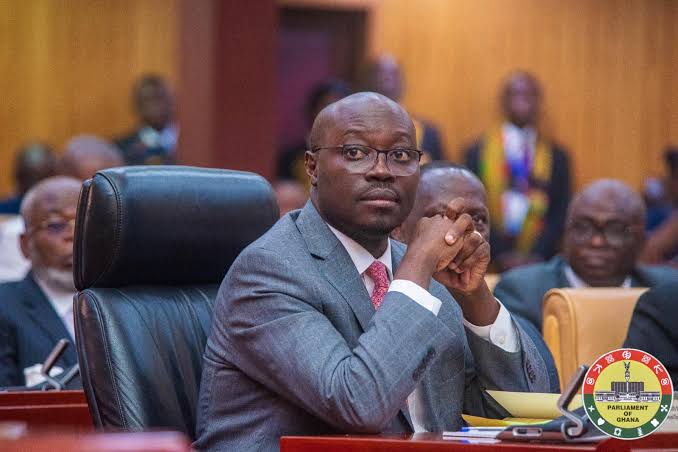
Ghana’s Finance Minister Dr Cassiel Ato Forson has declared that the government will not introduce any new taxes in 2027, reaffirming its commitment to easing the tax burden on households and businesses while improving revenue collection and strengthening the administration of existing levies.
Presenting the 2027 Budget Statement to Parliament on Thursday, November 12, 2026, the Finance Minister outlined plans to modernise key tax laws, close revenue leakages and improve taxpayer services as part of efforts to make Ghana’s revenue system more efficient.
“In this 2027 budget, we will not introduce any new tax.”
Dr Cassiel Ato Forson, Ghana’s Finance Minister
Dr Forson explained that the government’s approach would focus on collecting revenue legally due, rather than introducing additional taxes, while ensuring taxpayers receive fair treatment and timely decisions from revenue authorities.
Government Highlights Taxes Abolished Since 2025
The Finance Minister said the decision not to introduce new taxes in 2027 builds on measures implemented since 2025 to provide financial relief to households and businesses. He recalled that the government had abolished several taxes, including the Electronic Transfer Levy (E-Levy), withholding tax on betting and lottery winnings, and the COVID-19 levy.
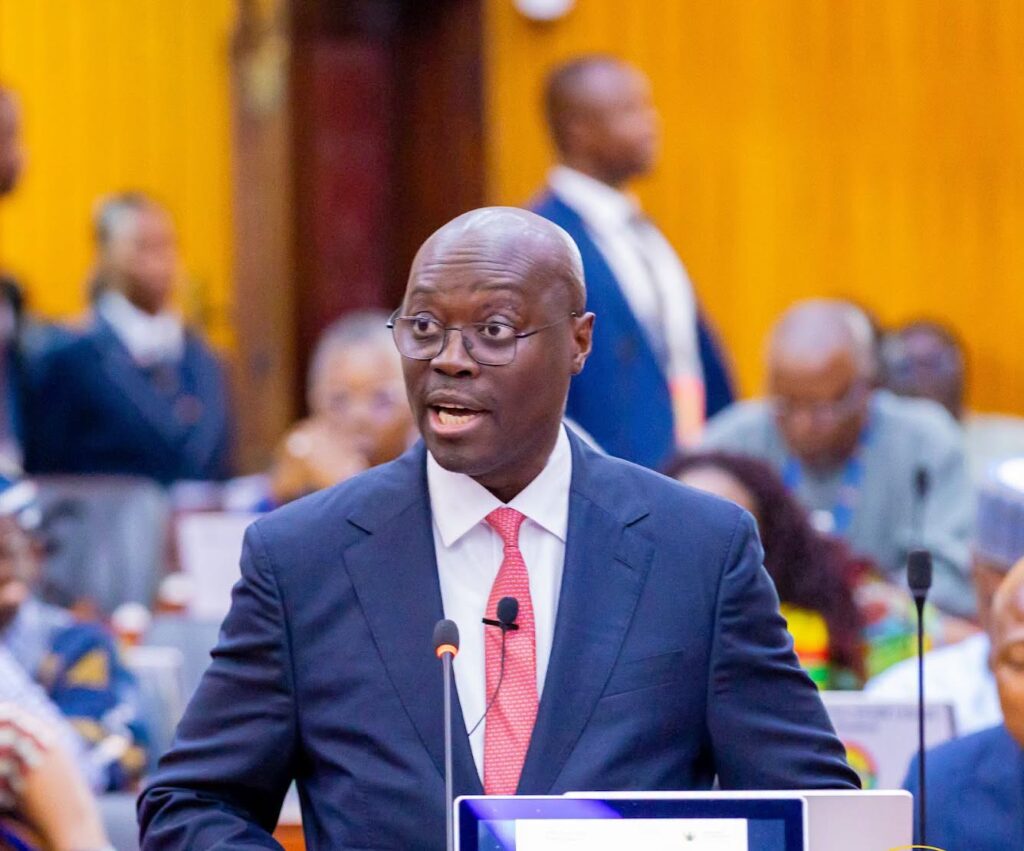
Other measures included the abolition of the emissions levy, the E-tax and Value Added Tax (VAT) on motor vehicle insurance.“Over the medium term, Mr. Speaker, since 2025, we have acted to give families breathing space and businesses room to grow,” he stated.
The latest commitment, he explained, continues that policy direction, with the government opting against introducing new tax measures in the 2027 fiscal year.
Tax Administration to Take Centre Stage
Rather than relying on new taxes to increase revenue, Dr Forson indicated that the government would strengthen collection systems, address leakages and improve the administration of existing tax laws.
He emphasised that the responsibility of the revenue system was to collect what taxpayers lawfully owe while ensuring that the process is efficient and fair. “Our job is to collect what is lawfully due, close the leakages and make the revenue system work better,” he told Parliament.
The Finance Minister also stressed the need to improve the treatment of taxpayers, arguing that individuals and businesses deserve fair processes and timely decisions when dealing with revenue authorities.
The approach places greater emphasis on compliance, administrative efficiency and the enforcement of existing tax obligations rather than expanding the number of taxes imposed on the public.
Government to Review Key Tax Laws in 2027
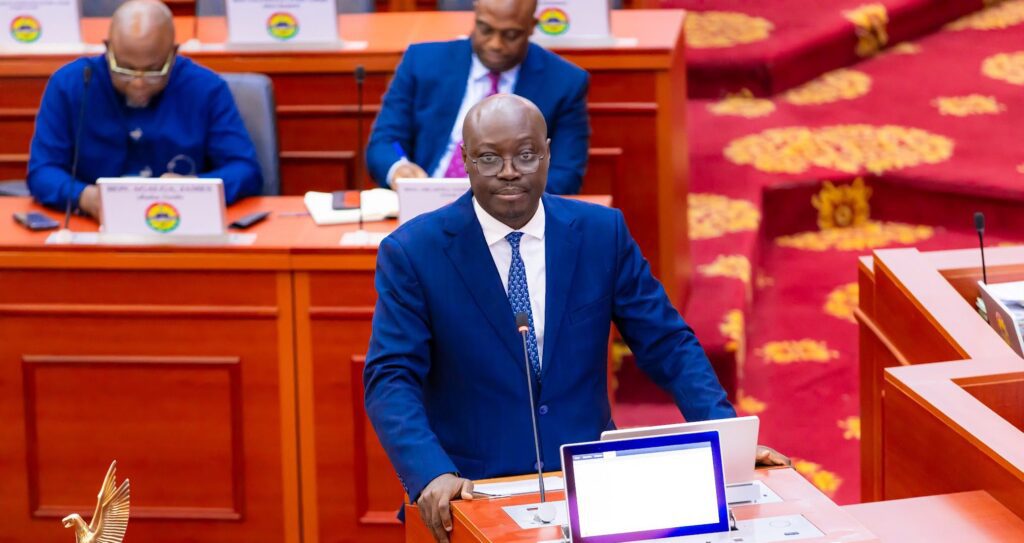
As part of the proposed reforms, the government will review and modernise several laws governing taxation and revenue administration. Dr Forson listed the Income Tax Act, Revenue Administration Act, Stamp Duty Administration and Communication Services Tax among the legal frameworks targeted for review.
The government will also review the Customs Tariff and duty concessions on selected raw materials, machinery and imports to support local industries. The proposed changes are intended to improve the tax framework, address administrative challenges and ensure that relevant provisions remain responsive to the needs of the economy.
Dr Forson further disclosed that the government would introduce regulations to support the consistent application of the reformed tax laws. The planned reforms suggest that the government’s revenue strategy will involve changes to existing legislation and administrative procedures, even as it rules out the introduction of new taxes in 2027.
Double Taxation Agreements to Be Reviewed
The Finance Minister also announced plans to review Ghana’s Double Taxation Agreements in line with the United Nations Framework Convention on International Tax Cooperation. He explained that the review would seek to address tax evasion and the abuse of treaty arrangements while protecting legitimate investment.
Double Taxation Agreements are designed to establish how income is taxed across jurisdictions and help prevent the same income from being taxed twice. Dr Forson’s announcement places the review within the government’s broader effort to strengthen international tax cooperation and protect revenue.
The government also intends to strengthen dispute resolution mechanisms to make tax compliance simpler and less costly for taxpayers. These measures are expected to complement the proposed legislative reviews by improving how tax obligations are interpreted, administered and enforced.
Government Seeks More Efficient Revenue System
The 2027 Budget’s tax policy combines a commitment against introducing new taxes with plans to modernise existing laws and strengthen revenue administration.
Dr Forson’s announcement signals that the government intends to pursue improved revenue mobilisation through better compliance, reduced leakages and more effective enforcement of existing tax obligations.
The planned reviews of domestic tax laws, customs duties and international tax agreements will form part of that process, alongside measures to improve taxpayer treatment and reduce the cost of compliance.
The Finance Minister maintained that the government’s priority was to make the revenue system work better while giving households and businesses room to grow.
READ ALSO: Mahama’s Government to Finance Western Railway Line Without Borrowing