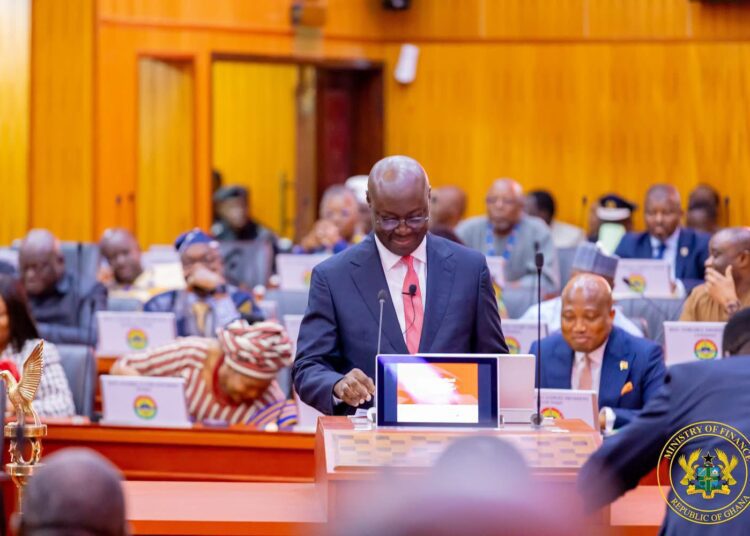
The Government of Ghana will establish a National Artificial Intelligence Centre to strengthen the country’s technological capabilities, support innovation and equip young people with skills for emerging opportunities in the digital economy.
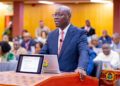
Presenting the 2027 Budget to Parliament, the Minister of Finance, Dr Cassiel Ato Forson outlined the proposed facility as “a strategic investment in research, enterprise development and the application of artificial intelligence across key sectors.”
“The National Artificial Intelligence Center will provide shared high-performance computing, secure data environment, applied research laboratories, model testing, professional training, and startup support. Ghanaian firms, researchers, universities, and public institutions will gain access to capabilities that many cannot afford individually.”
Dr Cassiel Ato Forson
The Finance Minister identified agriculture, healthcare, energy, mining, logistics, Ghanaian languages and public services as priority areas for the application of artificial intelligence. This sectoral approach, he elucidated, would enable the country to deploy technological innovation towards practical challenges while expanding the capacity of local institutions to develop and test solutions.
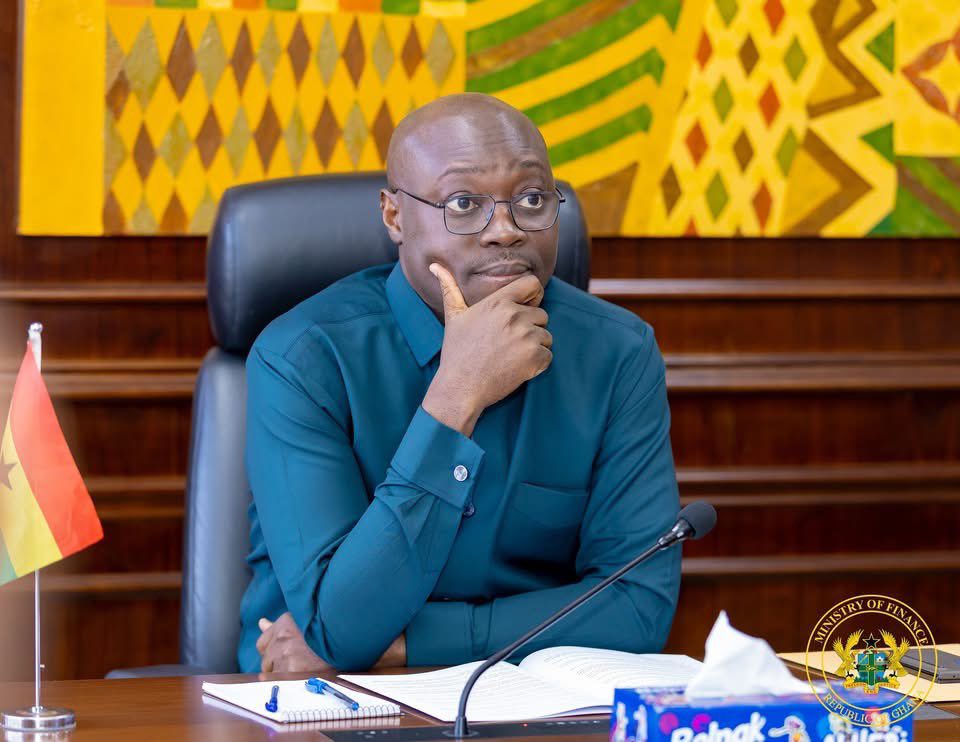
In addition to research and institutional support, the centre is expected to provide young Ghanaians with practical training in software development, data analytics, artificial intelligence, networking and digital business services.
Dr Forson emphasised that the training would involve hands-on instruction linked to industrial needs, positioning participants to pursue employment, establish businesses and compete for opportunities in international digital markets.
“This investment will turn Ghanaian talent into higher incomes and better livelihoods,” the Finance Minister outlined the economic ambition underpinning the initiative. He also identified enterprise support as a component of the programme, with small and medium-sized businesses expected to receive assistance to adopt digital tools capable of improving productivity.
However, the proposed expansion of artificial intelligence will operate within safeguards intended to protect citizens and institutions. Dr Forson identified privacy, cybersecurity, accessibility and human accountability in high-impact decisions as essential considerations that would guide the centre’s work.
The safeguards are particularly significant given the potential influence of artificial intelligence on public services and economic activities. By incorporating these principles into its operations, the facility is expected to pursue technological advancement while recognising the responsibilities associated with the use of data and automated systems.
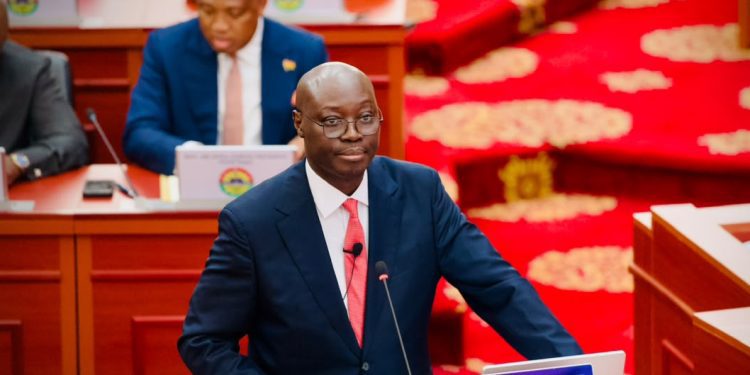
The Minister also connected the investment to the Government’s ambition to make technological opportunities accessible beyond major urban centres. He expressed the aspiration that a Ghanaian’s “geographical location should no longer determine whether that individual can access modern digital services, establish a technology-enabled enterprise or participate in the emerging artificial intelligence economy.”
Government Targets Reliable 4G Access Across Rural Ghana
On the other hand, the Government of Ghana plans to upgrade rural 2G networks to reliable 4G connectivity as part of its digital development agenda.
The Minister of Finance, Dr Cassiel Ato Forson identified improved telecommunications access as an important measure for connecting rural communities to essential information, education, healthcare and commercial opportunities.
“Modern connectivity allows rural farmers to receive weather and market information, accept digital payments and reach a buyer. It allows a clinic to use telehealth, a student to access learning content and a small enterprise to sell beyond its district.”
Dr Cassiel Ato Forson
Dr Forson’s presentation identified rural connectivity as “an economic necessity” particularly for communities whose participation in modern commercial activities depends on access to reliable digital services. The proposed upgrade is intended to address the limitations of existing poorer networks by providing more dependable faster internet access.
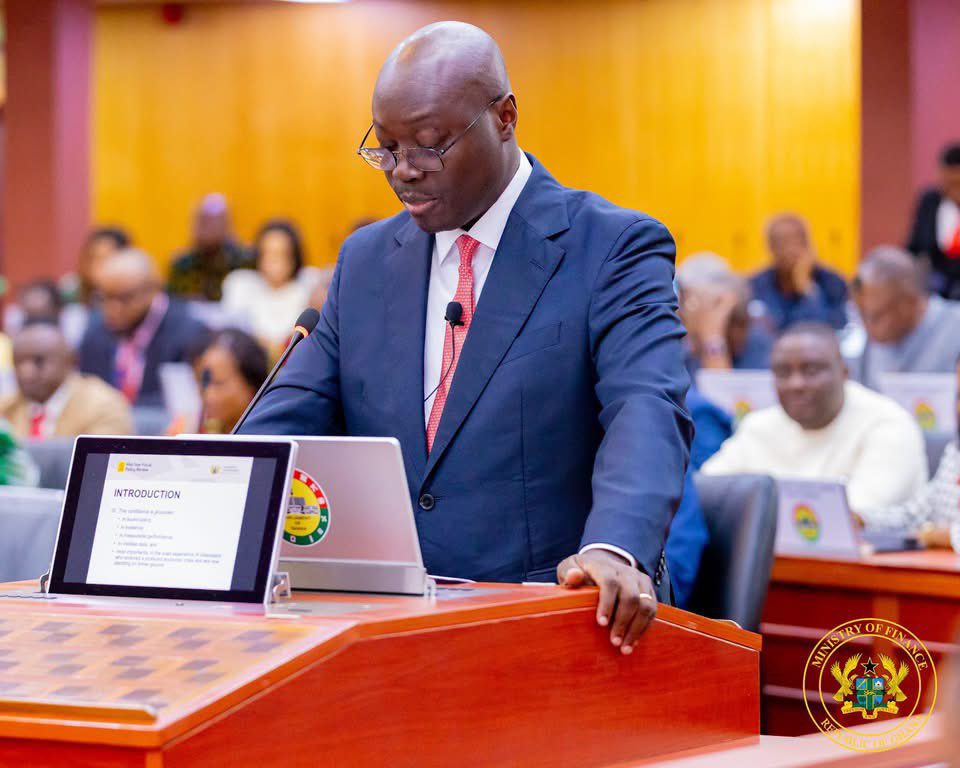
In healthcare, improved connectivity could facilitate telehealth services, allowing clinics to make use of digital resources in supporting patient care. Similarly, students in rural communities would have better opportunities to access online learning materials, while small enterprises could reach customers and markets beyond their districts.
“The true wealth of our country will be found in what our people are able to make, grow, design, discover, and sell to the world,” Dr Forson articulated. He also identified agriculture linked to manufacturing, local mineral processing, reliable electricity, domestic pharmaceutical production and technology as important elements of that economic vision.
Nevertheless, the Finance Minister cautioned that economic transformation would require patience and sustained implementation. He pointed to the time needed to finance and construct factories, complete irrigation infrastructure, develop industrial skills and strengthen institutions before the benefits of such investments could fully materialise.
Dr Forson also committed the Government to reporting progress transparently, acknowledging delays and correcting shortcomings. He invited Ghanaians to assess the programme through measurable milestones and visible results, emphasising that public confidence depends on leadership demonstrating accountability.
READ ALSO: 2027 Budget: Ato Forson Declares Ghana’s Economic Crisis Officially Over