For years, high electricity costs have remained one of the biggest obstacles to Ghana’s industrial competitiveness, with manufacturers repeatedly warning that expensive power continues to erode profits, discourage investment and raise the cost of locally produced goods.
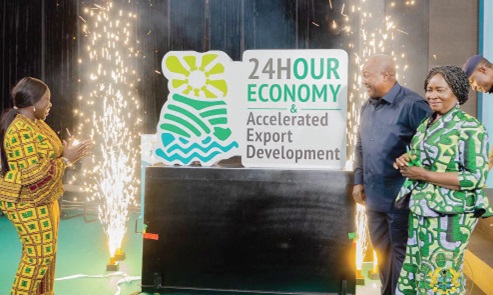
Government now believes a major renewable energy project could begin changing that equation by delivering cheaper electricity to industries expected to operate under its flagship 24-Hour Economy programme.
Renewable energy project designed to lower industrial electricity costs
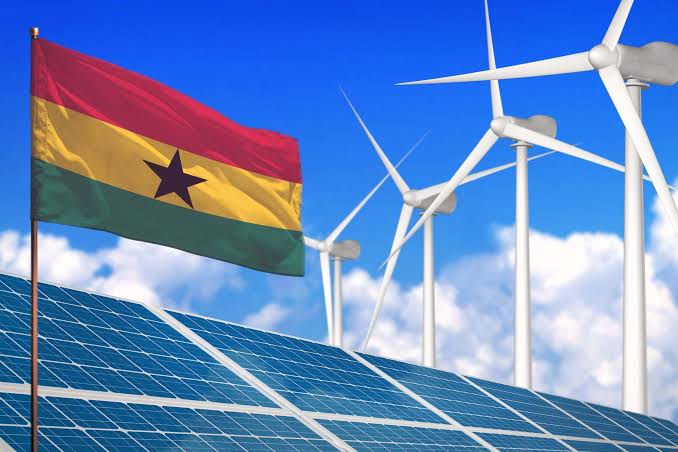
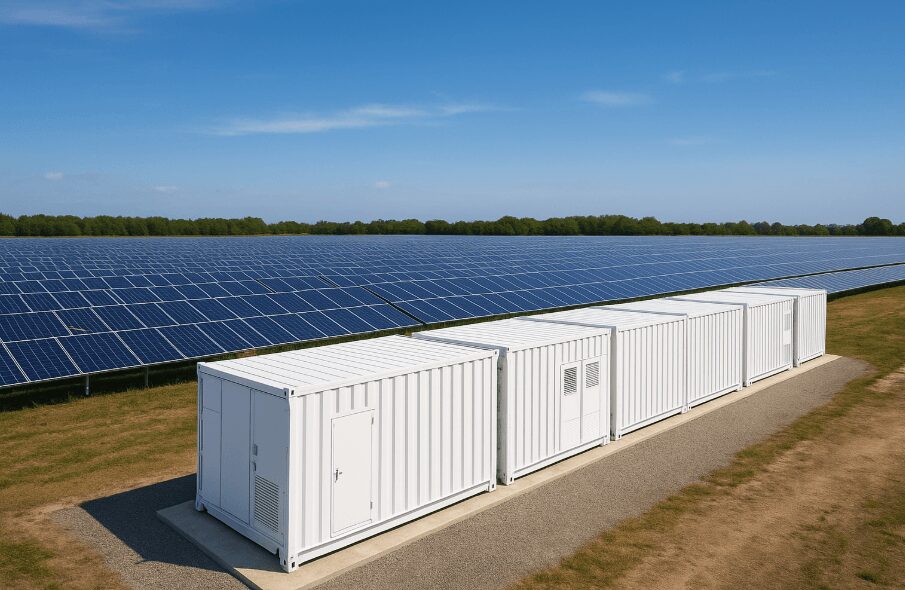
Government has announced plans to develop a 1.5-gigawatt solar-hydropower generation project with battery energy storage systems at Buipe in the Savannah Region, in what officials describe as a major step towards providing reliable and affordable electricity for industries operating around the clock.
The first phase of the project, comprising a 100-megawatt solar power plant with battery storage, is expected to begin next year, with subsequent phases gradually expanding capacity until the full 1.5GW target is achieved.
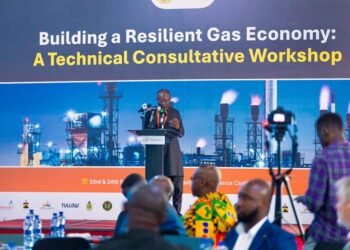
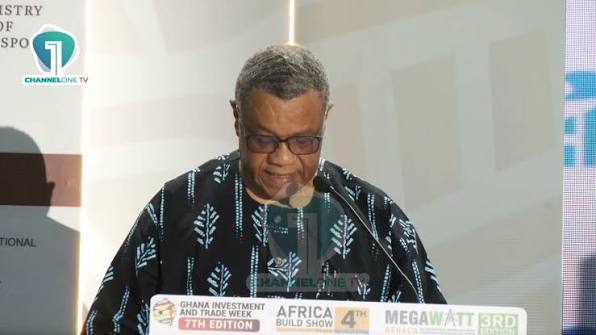
Speaking at the opening of the 7th Ghana Investment and Trade Week (GITW 2026) in Accra, Presidential Advisor on the 24-Hour Economy, Augustus Goosie Tanoh, said the project forms a central component of government’s strategy to support industrialisation through lower-cost electricity.
Closing that gap does more for the competitiveness of Ghanaian industry than any other single incentive.
Augustus Goosie Tanoh, Presidential Advisor on the 24-Hour Economy.
According to him, the renewable energy project could reduce electricity costs for industry from the current 18 to 23 US cents per kilowatt-hour to between 7 and 9 US cents, significantly lowering production costs for manufacturers.
Energy seen as foundation for the 24-Hour Economy
The announcement places electricity infrastructure at the centre of government’s broader economic transformation agenda.
Unlike previous discussions that focused largely on extending business operating hours, the latest proposal recognises that a 24-hour production economy cannot function without stable and affordable electricity capable of supporting factories, agro-processing facilities, logistics hubs and industrial parks.
Government says the renewable energy development will supply power to energy-intensive industries while reducing dependence on relatively expensive conventional electricity generation.
The project will combine solar generation, hydropower and battery storage, a model increasingly being adopted globally to improve electricity reliability while integrating more renewable energy into national grids.
Battery storage systems are expected to help smooth fluctuations in solar generation by storing electricity produced during daylight hours for use during periods of lower generation or higher demand.
Lower electricity prices could strengthen local manufacturing
For Ghanaian businesses, particularly manufacturers, electricity remains one of the largest operating expenses.
Industry groups, including the Association of Ghana Industries (AGI), have repeatedly argued that high utility costs reduce competitiveness and ultimately increase prices paid by consumers.
Energy analysts have also noted that lowering industrial electricity tariffs could encourage investment, expand production and improve the competitiveness of Ghanaian products within both domestic and regional markets under the African Continental Free Trade Area (AfCFTA).

Mr. Tanoh said government expects cheaper electricity to help increase manufacturing’s contribution to Ghana’s Gross Domestic Product from approximately 10 per cent to 20 per cent over time.
The renewable energy initiative is therefore expected to support broader efforts to expand exports, create employment and strengthen industrial productivity.
Project builds on Ghana’s wider energy transition agenda
The announcement comes as government continues to emphasise a balanced energy transition that combines renewable energy expansion with improved energy security.
In recent international engagements, Ghana has maintained that the country’s transition should reflect its own development priorities rather than abandoning conventional energy sources altogether.
At the International Energy Agency’s Global Conference on Energy Efficiency in Montreal, Deputy Minister for Energy and Green Transition Richard Gyan-Mensah reaffirmed government’s commitment to expanding renewable energy alongside improvements in power generation, natural gas utilisation, energy efficiency and electricity network performance.

Similarly, during the Beyond Oil and Gas Alliance (BOGA)-European Commission Ministerial Dialogue, the Deputy Minister reiterated Ghana’s position that Africa’s energy transition must remain “just, equitable and responsive to the development realities of emerging economies,” with energy access and affordability continuing to guide national policy.
The proposed Buipe project reflects that broader strategy by seeking to increase renewable energy deployment while improving electricity affordability for productive sectors of the economy.
Investment expected to drive project delivery
Government says it has already signed a Joint Development Agreement for the project and is seeking financing from local and international investors, pension funds and development finance institutions.
Officials also indicated that electricity demand from industrial parks, inland ports and logistics hubs is being aggregated to provide investors with guaranteed power off-take arrangements, reducing commercial risks associated with large-scale energy investments.
The renewable energy programme is also expected to support other components of the 24-Hour Economy, including electric mobility, affordable housing, agro-industrial parks and infrastructure development along the proposed Volta Economic Corridor.
If successfully implemented, the project could become one of Ghana’s largest renewable energy investments and mark a significant shift towards using cleaner electricity not only to improve energy security, but also to strengthen industrial competitiveness and long-term economic growth.
READ ALSO: Health Minister Assures Parliament of Intensified Crackdown on ‘Red’ and Illegal Opioid Trade