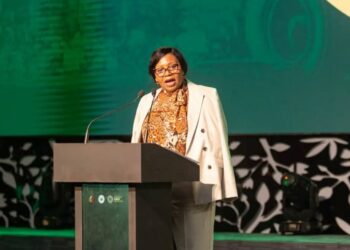
Justice Sophia Akuffo, Institute of Economic Affairs Senior Fellow and former Chief Justice, has spearheaded a proposal advocating for mandatory prior parliamentary approval before the executive branch signs any natural resource concessions or grants.
Under the proposed constitutional amendment to Article 268, Parliament would gain the statutory authority to thoroughly scrutinize and approve the core framework of natural resource transactions prior to any executive commitment.
This structured intervention aims to address systemic governance gaps by establishing a two-stage mechanism where Parliament approves initial terms and subsequently verifies that the final executed agreement strictly adheres to those authorized conditions.
“In the IEA’s view, Parliament should have the opportunity to scrutinize and approve the fundamental terms of major natural resource transactions before the executive commits the nation to them. This would strengthen parliamentary oversight and make the management of Ghana’s natural resources more directly accountable to the citizens through their elected representatives.”
Justice Sophia Akuffo
Expanding on this position, the Institute of Economic Affairs (IEA) argues that replacing the current post-execution ratification system with a prior approval model is essential for protecting the national interest.

While the government maintains that the Supreme Court’s ruling offers a functional legal framework under Article 268 without necessitating constitutional changes, the IEA stresses that post-facto ratification limits legislative leverage.
By enforcing prior parliamentary scrutiny, the state introduces a robust check against unfavorable terms, ensuring direct public accountability through elected representatives before legal obligations are finalized.
Structural Overhaul of Lands Commission Administration
Parallel to resource contract reforms, significant structural adjustments are proposed for the Lands Commission to reduce political interference and enhance operational neutrality.
The framework advocates for a restructured membership body comprising key institutional stakeholders, including the Trades Union Congress (TUC), IMANI Africa, the National House of Chiefs, faith-based organizations, and a designated representative of the President.
To safeguard administrative independence, the tenure of these commission members would deliberately be non-coterminous with the President’s term in office, creating a institutional buffer against political cycles.
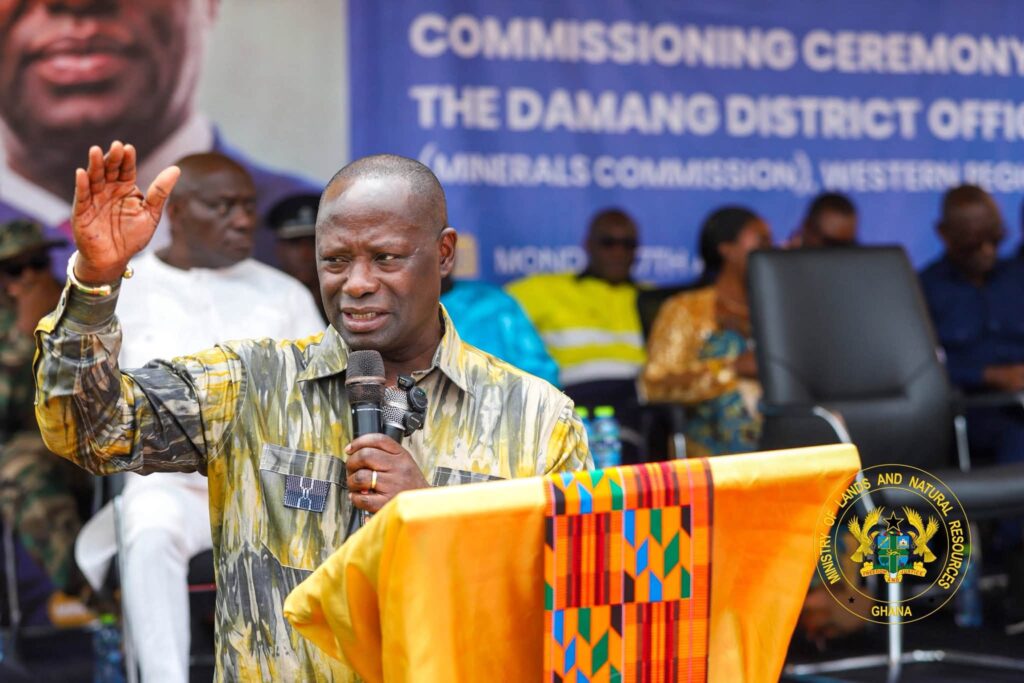
This institutional redesign addresses long-standing vulnerabilities within public land administration, where executive turnover often disrupts policy implementation and oversight. Broadening stakeholder representation directly dilutes excessive presidential authority while instilling institutional continuity, professionalism, and operational autonomy.
By decoupling commission tenures from the executive timeline, the governance model ensures that decisions regarding public lands remain insulated from short-term political pressures, fostering stable, transparent, and long-term land management practices across the country.
Strategic Shift in Extractive Contracting Models
A critical driver for these comprehensive legislative reforms is the imperative to transition away from traditional, highly concessionary natural resource frameworks.
Although the 1992 Constitution remains silent on a specific extraction model, existing statutory frameworks most notably the Minerals and Mining Act of 2006 rely heavily on concessionary and lease agreements.
Critics and policy experts note that these legacy arrangements often allocate an asymmetrical share of resource revenues to foreign investors while leaving the state with minimal direct financial returns and limited strategic oversight.
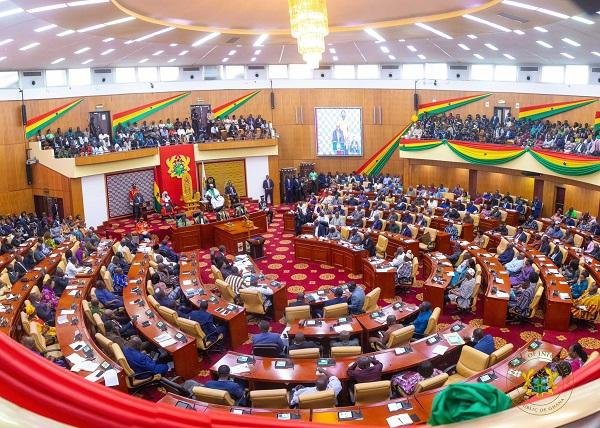
Adopting prior parliamentary scrutiny provides the legislative branch with the necessary oversight to negotiate modern, value-maximizing equity models, such as production-sharing agreements or service contracts.
Ensuring that Parliament evaluates fundamental terms prior to signing prevents the nation from being locked into long-term contracts that underperform in revenue generation.
Strengthening these oversight frameworks aligns resource extraction strategies with national economic priorities, ensuring that Ghana’s finite natural wealth yields tangible, equitable, and sustainable benefits for its citizens.
READ ALSO: Ghana Urges Africa To Turn Climate Ambition Into Investment