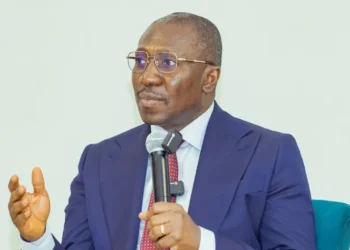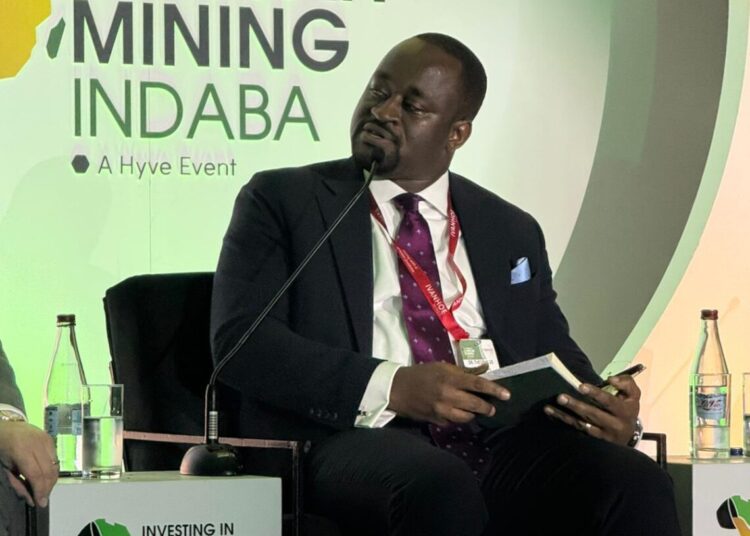
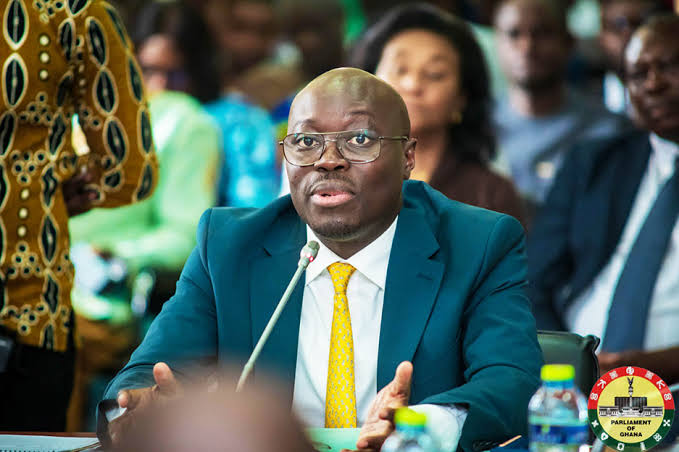
The Technical Advisor at the Ministry of Finance, Dr Theo Acheampong has expressed confidence that Ghana’s economic stability over the past two years “will endure” insisting that the country must break away from its recurring cycle of crises
Addressing the PwC Budget Digest Forum, he indicated that the Government’s latest Budget seeks to consolidate the gains and give businesses and households greater certainty in planning.
Dr Acheampong attributed the economy’s resilience to measures taken to “strengthen external buffers and tighten controls over public expenditure.” These, he explained, helped the country withstand pressure from the Middle East crisis, disruptions to energy generation, falling cocoa prices and major floods in June.
“Despite all of these, the economy still remains strong. And you can see that not just in the high-level macro numbers, and I’ll show you, even at the micro level, you see how that is translating into improved, you know, livelihoods.”
Dr Theo Acheampong
At the domestic level, he pointed to tighter commitment authorisation controls as another measure that has strengthened the Government’s management of public expenditure.
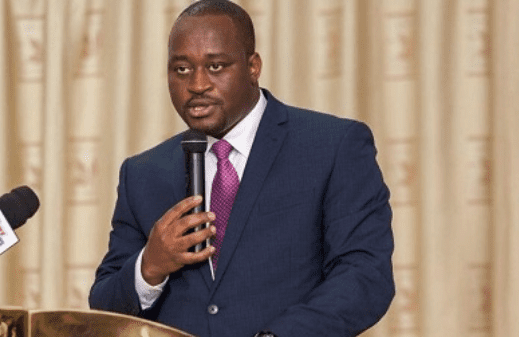
Previously, some agencies outside central government could incur spending without adequate control, leaving substantial off-budget bills to emerge towards the end of the financial year.“That is no longer the case,” he indicated that the Government now has a firmer grasp of spending commitments across the public sector.
The controls, he suggested, have reduced the risk of unexpected expenditure undermining fiscal planning.
Dr Acheampong also highlighted reforms surrounding the Gold Board, noting that the programme has helped generate foreign exchange for commercial banks and strengthen national reserves. Although he acknowledged its policy cost, he indicated that legislation had capped the programme’s operating cost at five per cent.
He underscored the importance of transparency, pointing to monthly Gold Board announcements on expected dollar inflows and the amounts to be released to the market. Such updates, he observed, allow businesses and the public to follow the programme’s operations.
The Ministry, he affirmed, welcomes engagement with the business community and remains open to feedback to improve policy implementation. “We may not always get it right,” he remarked, but insisted that the country’s direction must be clear.
Government Targets Jobs Through Infrastructure And Productive Investment
Beyond the Government’s efforts to preserve recent stability, Technical Advisor at the Ministry of Finance, Dr Theo Acheampong, has outlined a shift towards investment-led growth, with job creation and infrastructure development expected to feature prominently in the country’s next phase of development.
He explained that the 2027 Budget seeks to channel resources into sectors where Ghana has a comparative advantage and strengthen collaboration between the state and private businesses.
Dr Acheampong indicated that the Government intends to move beyond stabilisation and pursue growth that generates employment and prosperity.
“We are prepared now to put skin in the game, to co-invest, to co-create and to co-partner with the private sector to be able to do that.”
Dr Theo Acheampong
The Technical Advisor explained that the sectors identified under the new economy agenda are not entirely new priorities, noting that they have always featured in national development plans. The distinction, he proposed, is the creation of “fiscal space to finance those ambitions and work alongside private enterprises.”
A central part of that approach is the increase in capital expenditure following reforms intended to ease rigidities in public spending. Dr Acheampong indicated that capital expenditure was expected to rise to levels last seen around 2013, becoming the second-largest budget item over the medium term after employee compensation.
He anticipated that the increased allocation would support construction, public works and infrastructure projects across the country.
“What I am looking forward to is that in the next few years, you can actually drive at least 20 kilometers of road in this country without seeing a pothole.”
Dr Theo Acheampong
Dr Acheampong also identified agriculture and manufacturing as sectors requiring greater attention, particularly because recent growth has been largely driven by services. He indicated that the Government intends to direct investment towards productive activities capable of generating employment and strengthening domestic output.
The shift rests on the belief that macroeconomic stability must translate into tangible improvements in people’s livelihoods. Consequently, the next phase of policy implementation will emphasise investments that create jobs, expand productive capacity and support prosperity.
He welcomed engagement with the business community through forums such as the PwC Budget Digest, emphasising that feedback from businesses could help refine government policy. The Ministry, he affirmed, remains willing to learn from such engagements and improve the measures it puts forward.
READ ALSO: Popular Ghanaian Adaptation of ‘La Victoria’ Returns Free