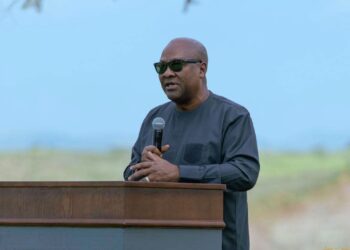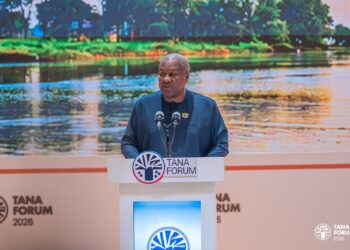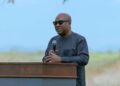
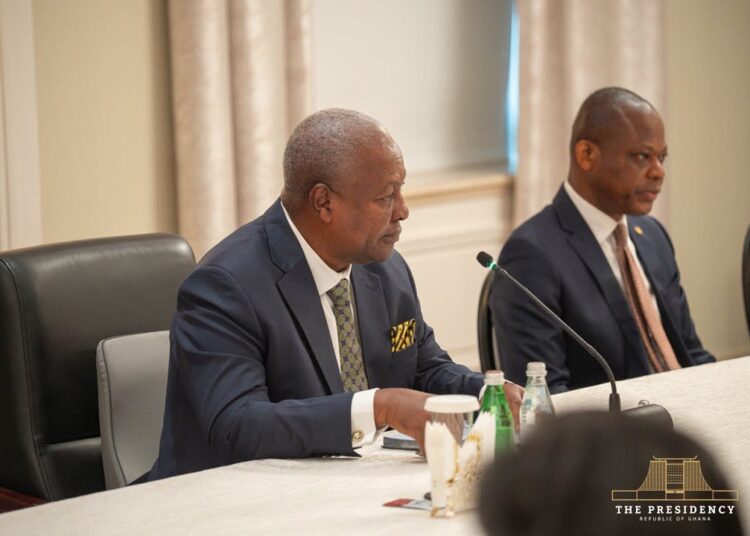
President John Dramani Mahama has told an American foreign policy audience that the destabilisation of the Sahel began with the removal of Muammar Gaddafi by the United States and France. He made the argument at the Council on Foreign Relations in New York during his week of engagements around the 81st United Nations General Assembly.
The President described the coups that followed in Mali, Burkina Faso and Niger as consequences rather than causes, and warned that Ghana itself may face attack sooner or later. Guarding against that possibility, he said, is already diverting money he would rather spend on schools and hospitals.
Tracing The Line Back To Libya
Asked how Ghana views the extremist threat spreading across the Sahel toward coastal West Africa, President Mahama rejected the framing that the region’s governance disputes are the root of the problem, calling them symptoms.
“The destabilisation of the Sahel started as a result of the actions of America and France when Gaddafi was taken out,” he said.
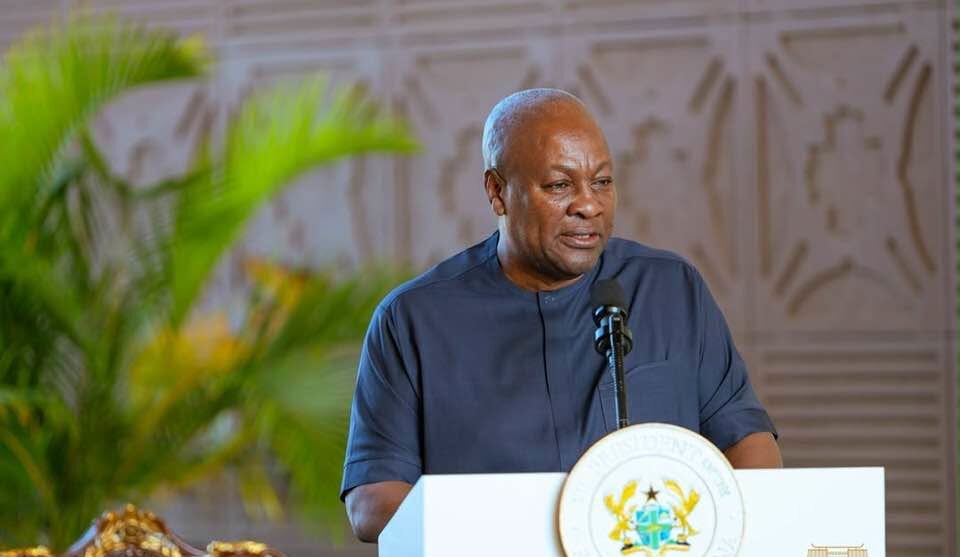
The collapse of the Libyan state, in his account, released weapons that flowed south into the Sahel and turned Libya into a gateway for fighters entering the region. Militants displaced from Syria, he added, found safe haven along that same route.
Delivering that verdict at the Council on Foreign Relations, an institution at the centre of American foreign policy debate, gave it an edge. The 2011 intervention in Libya was authorised by the Security Council and executed largely by NATO members, and its consequences remain contested in Washington and Paris.
Azawad And The Insurgency That Grew
President Mahama traced the sequence from there. An indigenous insurgency took hold among communities complaining of marginalisation and demanding an autonomous region they called Azawad, in northern Mali.
That began as a low-level conflict, he said, before the arms arriving from Libya and fighters with experience elsewhere turned what might have remained a domestic dispute into a regional emergency.
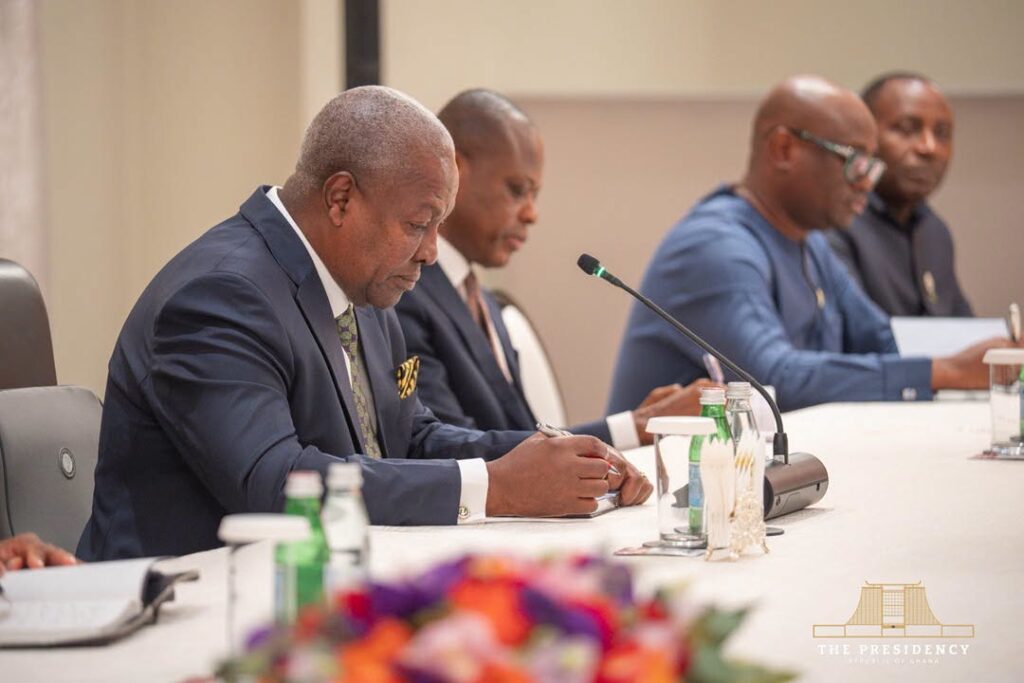
Coups As Consequence
The military takeovers that followed were, in his reading, the product of that failure rather than its origin. Soldiers concluded that civilian governments were not prosecuting the fight against terrorism adequately, he said, and they were losing too many men and becoming demoralised.
“Coup d’états are the after-effects of everything that happened,” he said, warning against mixing the separate strands together.
The response then produced its own rupture. Under the ECOWAS protocol, an unconstitutional change of government triggers sanctions, which set the bloc against the three juntas and led to their departure and the formation of the Alliance of Sahel States.
Rebuilding The Bridge
President Mahama described repairing that relationship as an early decision of his presidency, and his reasoning was demographic rather than diplomatic. The same ethnic groups live on both sides of the borders, he said, and people cross them whenever they wish without regard to the lines on the map.

He reported progress. Relations have improved over the past year, ECOWAS is talking to the AES states, and Ghana’s ties with them are stronger. The borders are open, and the three landlocked countries are moving imports and exports through Ghanaian ports.
That commercial detail carries weight. Ghana’s ports offer the Sahel states an alternative corridor to the sea, which gives Accra a practical stake in their stability and a channel that survives political disagreement.
Not A Fight They Can Fight Alone
For all the improvement, the President was clear about the limits of regional capacity. It is not a fight they can fight alone, he said, arguing that the three states need both global and regional support.
His appeal to the American audience was direct. “The world should not give up on those three Sahelian states,” he said, positioning ECOWAS as willing to work with them against terrorism despite the political estrangement.
When, Not If
President Mahama was equally frank about Ghana’s own exposure, in a region where Togo, Benin and Côte d’Ivoire have all suffered attacks. “I don’t kid myself that Ghana is not vulnerable to attack, and maybe it’s a question of when, not if,” he said.
He credited the country’s record so far to fortune as much as planning, then rejected fortune as a strategy. “We cannot continue to rely on divine providence.“
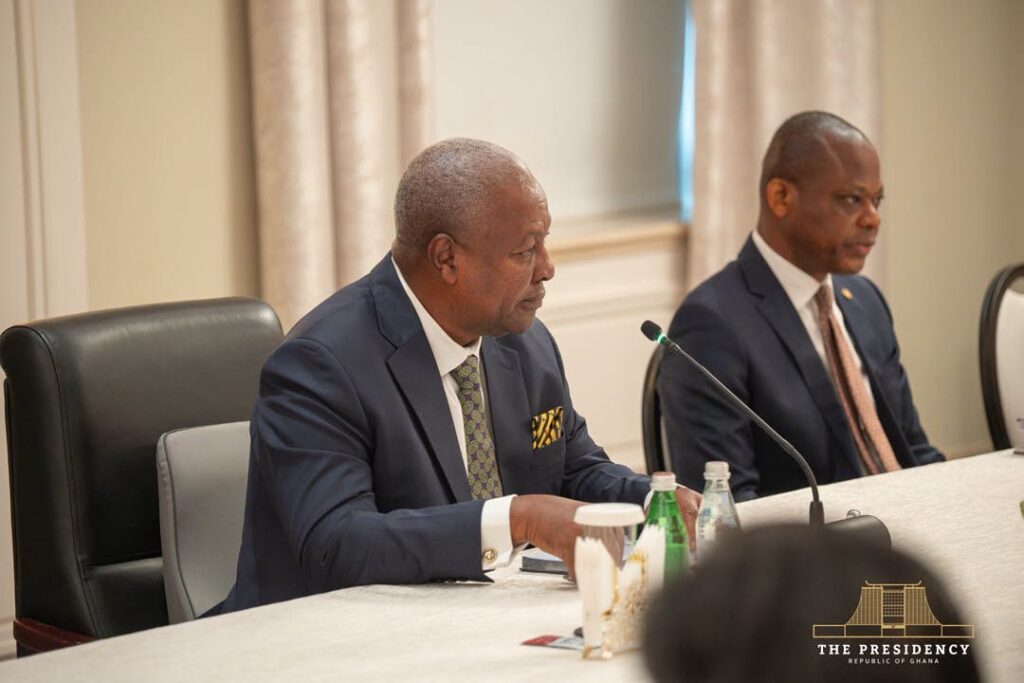
The cost of preparing is already visible in the budget. Money he would prefer to spend on education and health is going into defence, he said, alongside increased surveillance and intelligence exchange with neighbours. Ghanaian and Burkinabè intelligence agencies are tracking the movement of fighters and passing information to each other.
Signs Of A Thaw
He closed on cautious optimism, pointing to signs of re-engagement after years of isolation. The United States has reached out to Mali, Niger and Burkina Faso, he said, and relations between Algeria and Mali are thawing, which he considers important for the counterterrorism effort.
Those are first steps that need building on, in his assessment. Whether they go further depends partly on whether the audience he was addressing accepts his account of how the crisis began, since a diagnosis that assigns responsibility to Washington and Paris is an uncomfortable basis for asking both to return.
READ ALSO: Mahama Credits Fiscal Discipline for Ghana’s Economic Recovery