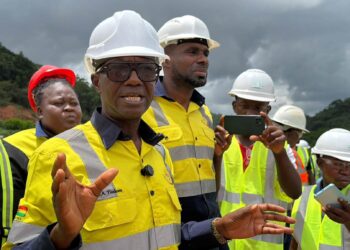
Mr. Sammy Gyamfi, the Chief Executive Officer of the Ghana Gold Board (GoldBod), has revealed plans to establish one of the world’s largest gold refineries in Ghana by 2027.
Speaking during a visit to the National House of Chiefs in the Ashanti Region, the CEO underscored that this massive infrastructure project will boast a processing capacity of 600 tonnes, positioning the country as a pivotal gold refining hub within Africa and globally.
“We’re in the process of signing a new agreement that will see to the establishment of what is going to be one of the biggest refineries in the World in Ghana. It’s going to be a 600-tonne capacity refinery. We will cut a sod for the establishment this year, and we hope to complete it by next year. The idea is to make Ghana a hub for gold refinery.”
Mr. Sammy Gyamfi,
This ambitious initiative is a core component of the government’s broader strategy to transition from an exporter of raw precious minerals to a value-added processing powerhouse.

By scaling domestic capacity to handle not only Ghana’s entire gold output but also imports from neighboring nations like Burkina Faso and Togo, the government aims to revolutionize the mineral supply chain.
The project, slated for a sod-cutting ceremony later this year, represents a significant leap in the “24-hour economy” policy, promising to modernize the sector and secure long-term fiscal stability.
Strategic Economic Transformation
The establishment of a 600-tonne capacity refinery is expected to deliver profound macroeconomic benefits by retaining substantial financial gains that were previously lost to foreign entities.
Currently, millions of dollars in refining fees flow to facilities in hubs like Dubai, Switzerland, and India. Domesticating this process ensures these fees remain within the Ghanaian economy, directly boosting GDP.
Furthermore, the ability to refine gold locally allows for the precise recovery of silver and other valuable byproducts, which can then be supplied to the local jewelry and fabrication industries.
This creates a vertical integration that empowers local artisans and small-scale miners, providing them with more competitive pricing and access to quality-assured refined products.
Job Creation and Fiscal Stability
Beyond the immediate revenue retention, the refinery is set to be a major catalyst for job creation.
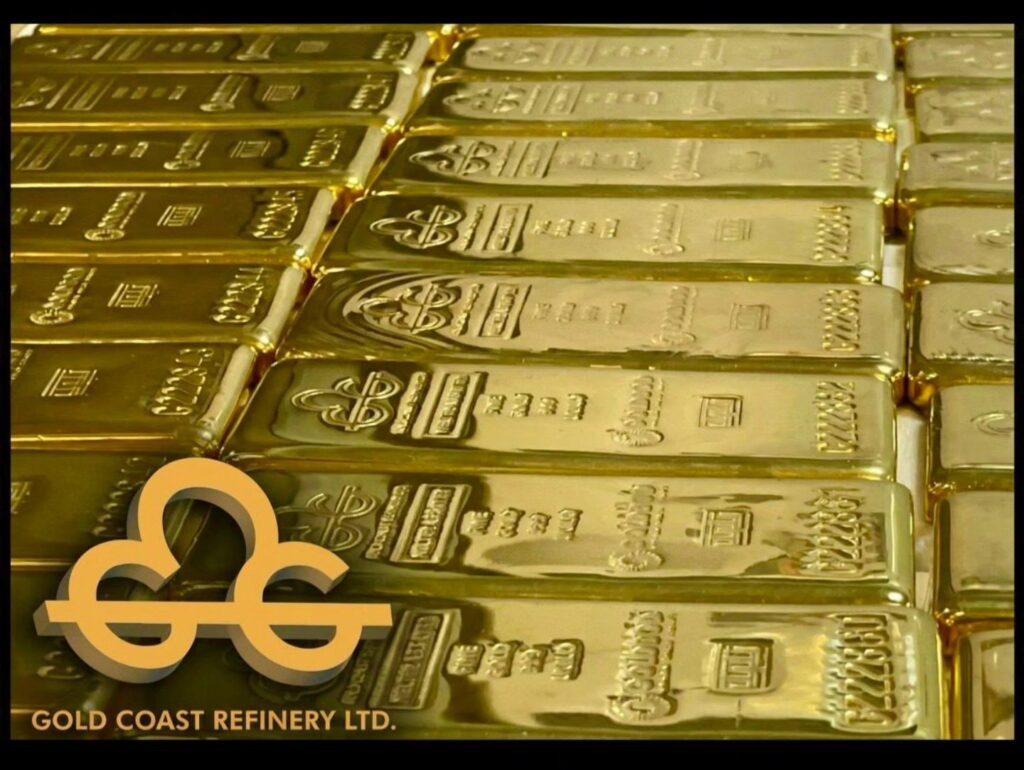
Drawing from the success of recent partnerships with Gold Coast Refinery and Royal Gold Refinery, which have already seen hundreds of direct hires, this new facility is expected to operate around the clock, necessitating a massive, skilled workforce.
According to industry analysts, this project will facilitate significant technology transfer and capacity building, offering technical training for young Ghanaians in assaying, refining, and logistics.

By formalizing these operations, the state-backed initiative will also curb the “historical purity losses” and undervaluation issues that have long plagued Ghana’s gold exports, ensuring that the country’s natural wealth is accurately measured and taxed.
Positioning Ghana as a Global Leader
By positioning itself as an African gold hub, Ghana is setting a new standard for responsible and transparent mineral management.
The refinery will operate under international standards, which is essential for gaining accreditation and trust in the global market.

As Mr. Gyamfi noted, the objective is to transform the nation’s identity from a mere extraction-based economy to a center for industrial processing.
This shift is not only a boon for foreign exchange earnings and reserve accumulation but also a bold move toward economic sovereignty.
With the 2027 completion target, the facility stands as a flagship project in Ghana’s ongoing effort to reclaim control over its precious resources and foster a sustainable, prosperous future for its people.
READ ALSO: Unfinished School Projects Threaten Learning Quality — Education Minister