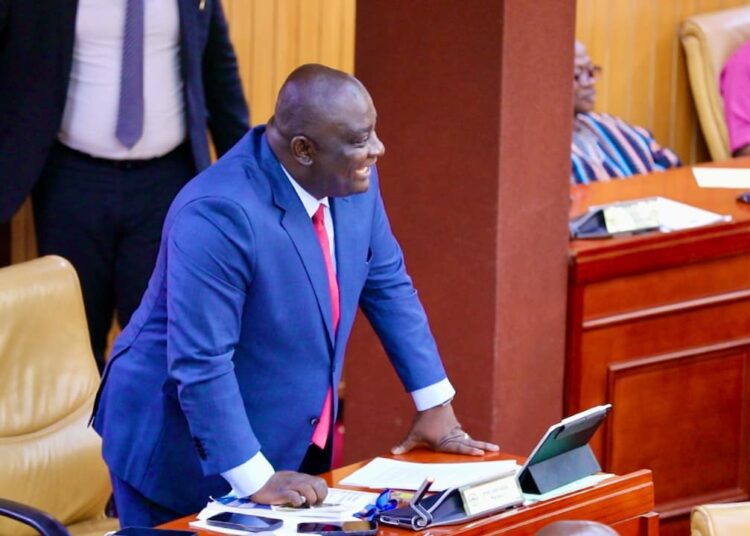
Hon. Davis Opoku, the Member of Parliament for the Mpraeso Constituency, has formally launched a petition calling on President John Dramani Mahama to deny the renewal of the mining lease currently held by the South African firm, Gold Fields, at its Tarkwa operations.
The initiative serves as a direct challenge to the status quo of foreign dominance in Ghana’s extractive sector, arguing that the nation’s mineral wealth must be fundamentally repurposed to prioritize local prosperity and national economic independence.
“I have launched a petition calling on President John Dramani Mahama not to renew the Gold Fields Tarkwa mining lease. For decades, Ghana has exported gold worth billions of dollars, yet many of our young people continue to leave the country in search of opportunity. Today, some of our fellow citizens are returning home from South Africa after losing jobs, businesses, and livelihoods they spent years building.”
Hon. Davis Opoku
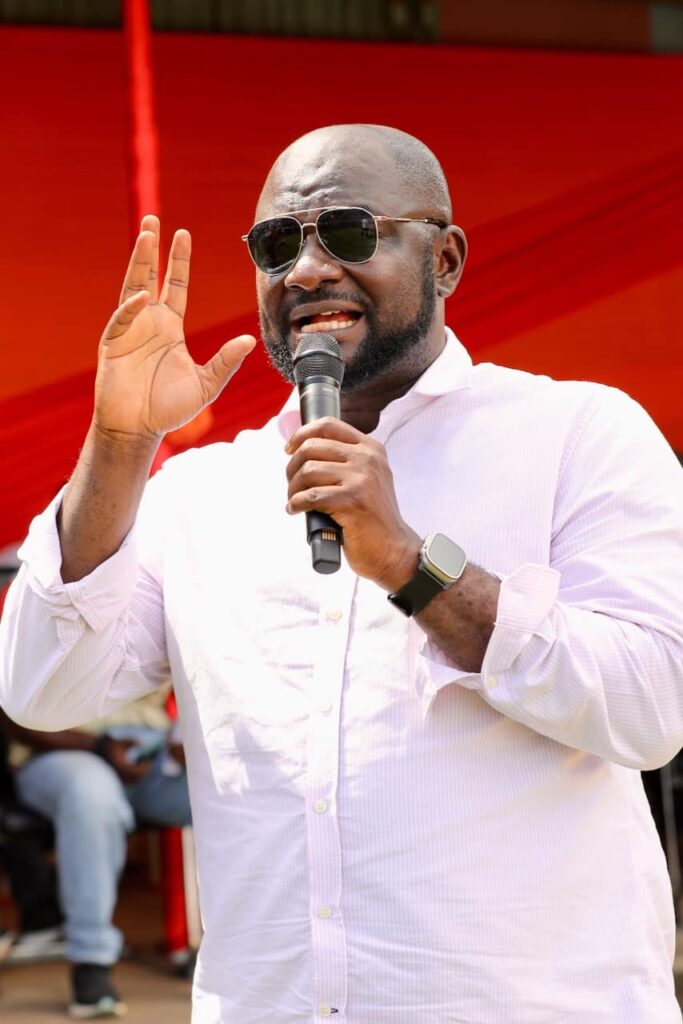
This legislative maneuver arrives at a critical juncture for the country, as the government faces increasing pressure to move beyond mere tax collection toward a model that ensures Ghana captures long-term value from its mineral resources.
Hon. Opoku’s campaign emphasizes that despite the billions of dollars in gold exported annually, the persistent reality of youth unemployment and the lack of industrial growth suggest that the current framework is insufficient.
By linking the lease renewal to the broader conversation regarding national sovereignty and resource management, the lawmaker is pushing for a structural pivot that favors local ownership and capacity building.
Addressing the Human Cost of Migration
The push for the non-renewal of the Gold Fields lease is deeply intertwined with the plight of Ghanaian citizens who have sought greener pastures abroad, only to be met with hardship.
Hon. Opoku highlighted that many Ghanaians are returning from South Africa in states of distress, having lost businesses and livelihoods they spent years constructing.

This human tragedy serves as the emotional and economic core of the petition, framing the mining lease issue not just as a matter of policy, but as a moral imperative to create internal conditions where the youth do not have to risk their future in foreign markets.
Economic analysts argue that by keeping resource wealth within local hands, Ghana can begin to stem the tide of desperate outward migration.
When citizens see tangible development in their own communities supported by mining revenues the “push factors” that drive them toward South Africa, where they often encounter socioeconomic instability, are significantly reduced.
Mining Governance as a Tool for Regional Stability
The necessity of this call extends beyond Ghana’s borders, potentially serving as a mechanism to mitigate the toxic climate of xenophobia prevalent in South Africa.
Historically, tensions between South Africans and foreign nationals often escalate during periods of economic downturn, where migrant workers become convenient scapegoats for local unemployment and competition for scarce resources.
By championing local content and ensuring that mining wealth acts as a foundation for domestic job creation, Ghana is effectively signaling that regional stability depends on economic self-sufficiency.
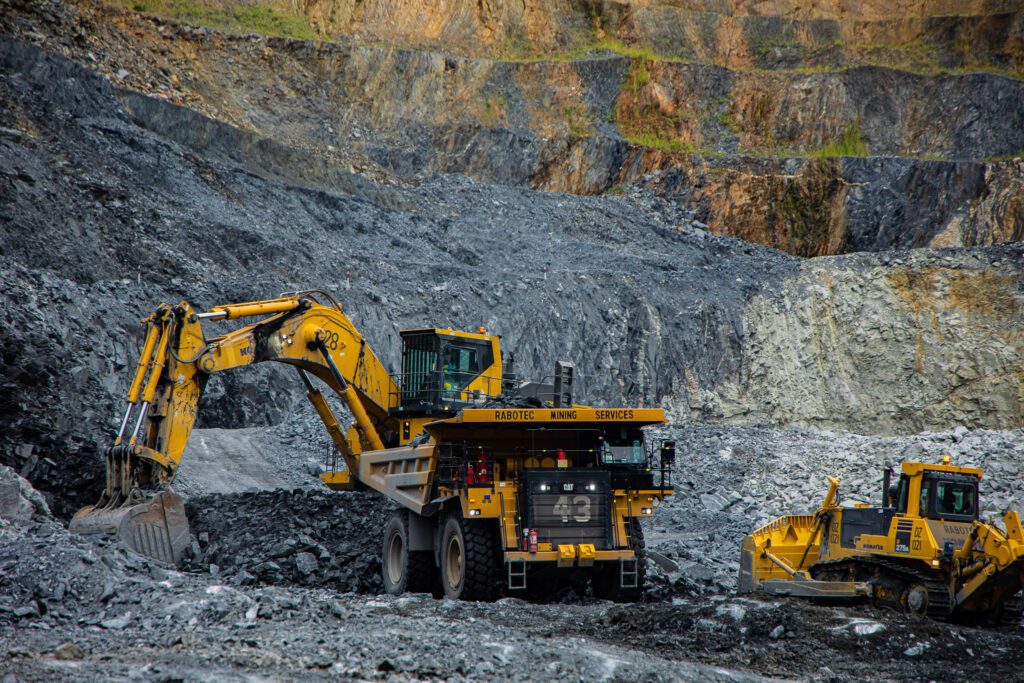
As Hon. Opoku noted, the petition is a call to action for every Ghanaian who believes that the country’s mineral endowment should be a catalyst for domestic growth.
If Ghana successfully asserts control over its economic destiny, the pressure for its citizens to migrate for low-wage jobs in South African mining districts may subside.
This shift is essential, as the continued extraction of wealth by foreign entities without meaningful local reinvestment only deepens the cycle of dependency and regional socio-economic friction.
Securing the Economic Destiny of Ghana
The debate over the Tarkwa mine is part of a larger national conversation about transitioning from a raw material exporter to an industrial hub.
Advocates for the petition argue that Ghana now possesses the technical expertise and the professional capacity to manage its own strategic assets.
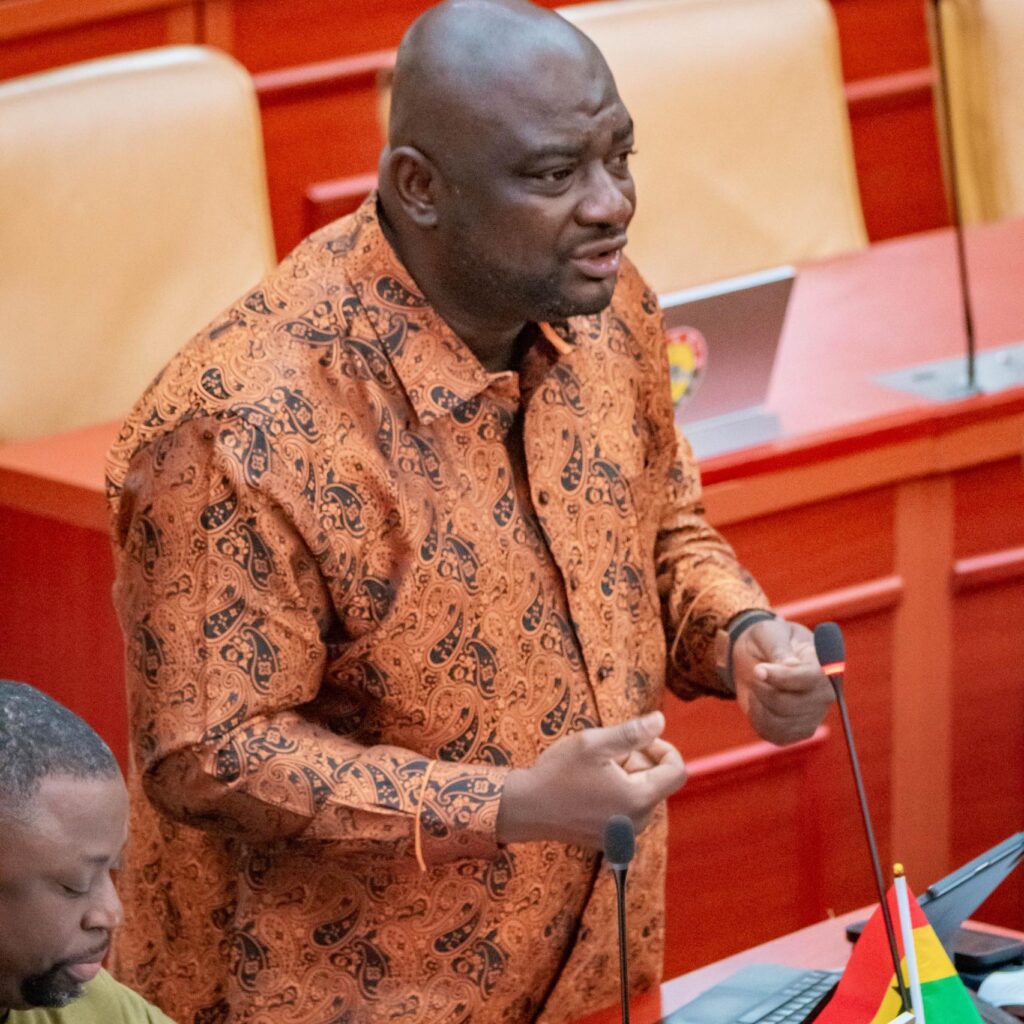
“The time has come for Ghana to take greater control of its economic destiny,” Hon. Opoku said, noting that the goal is to foster an environment where mining creates jobs and sustainable opportunities for the Ghanaian people.
As the government reviews the lease, the Mpraeso MP is rallying public support, urging citizens to sign the petition under the banner: “Our Gold. Our Future. Ghana First.“
The outcome of this petition will likely serve as a litmus test for the administration’s commitment to prioritizing local value addition in the extractive sector.
By demanding that Gold Fields be held to a higher standard of local integration, the petition seeks to reshape the mining landscape, ensuring that the next generation of Ghanaians finds the prosperity they seek right at home.
READ ALSO: Anthony Gordon on the Verge of Completing Barca Move