A conflict unfolding thousands of kilometres from Ghana is once again exposing a weakness at the heart of the country’s energy system: its heavy dependence on imported refined petroleum products.
Renewed tensions involving the United States and Iran have pushed global oil and fuel markets back into a period of heightened uncertainty, with concerns growing over possible disruptions to crude and product flows through the Middle East.
The development has renewed debate about whether Ghana’s current energy structure leaves the economy too exposed to external shocks.
The issue is no longer only about crude oil prices.
Analysts say the bigger risk lies in the cost of importing petrol and diesel, the vulnerability of shipping routes and the pressure such shocks can place on inflation, transport and industrial activity.
A recent Time analysis argued that the Iran crisis has revealed how dependent many African energy systems remain on geopolitical stability elsewhere.
For Ghana, that argument carries particular weight because domestic fuel consumption is still met largely through imported refined products despite the country being an oil producer.
Import dependence remains the central issue
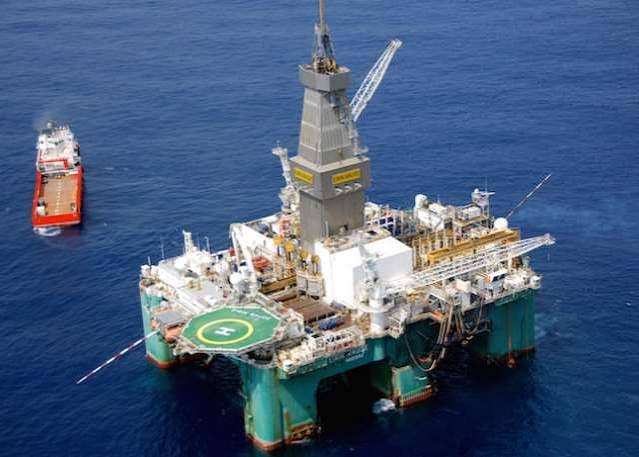
Ghana produces crude oil from offshore fields such as Jubilee, TEN and Sankofa, but much of the petrol and diesel consumed locally is imported after being refined abroad.
That means international disruptions can affect Ghana through several channels at once: higher refined-product prices, increased freight costs, higher insurance premiums and exchange-rate pressure.
Recent reports from global energy markets show that renewed instability around key Middle Eastern shipping routes has already increased uncertainty for fuel importers worldwide.
Reuters reported that concerns over the Strait of Hormuz and related supply routes have contributed to rising energy-market volatility and higher shipping and insurance risks.
For Ghana, the transmission mechanism is relatively direct.
When refined products become more expensive internationally and the cedi weakens against the dollar, domestic pump prices tend to come under upward pressure.
TOR returns to the centre of the debate
The latest market turbulence has also brought renewed attention to the Tema Oil Refinery (TOR).
Ghana has repeatedly discussed reviving and modernising the refinery to reduce dependence on imported fuels, but operational and financing challenges have limited its role in recent years.
Energy analysts argue that a more functional domestic refining system would not eliminate exposure to global oil prices, but it could reduce vulnerability to disruptions in refined-product supply chains.
The question is not whether Ghana can isolate itself from global markets, it cannot.
The question is whether the country can build enough domestic processing and storage capacity to make external shocks less damaging.
A broader African lesson
The challenge extends beyond Ghana.
Many African countries export crude oil while importing a large share of the refined fuels they consume.
The result is that geopolitical shocks often reach African economies through fuel prices faster than through electricity systems.

The International Energy Agency has noted that recent Middle East disruptions have highlighted the importance of supply diversification and energy security, with countries increasingly reassessing their exposure to imported fossil fuels.
That reassessment is already influencing policy debates across Africa, including discussions on refining capacity, strategic fuel storage, domestic gas utilisation and renewable energy expansion.
What it means for Ghana
For Ghana, the immediate risk is not a physical fuel shortage but a prolonged period of elevated import costs.
Higher diesel prices can affect transport, agriculture, mining and manufacturing, while higher petrol prices reduce household purchasing power.
If such increases persist, they can feed into broader inflationary pressures.
The longer-term implication is more strategic.
The current crisis is reinforcing three questions that are becoming increasingly central to Ghana’s energy policy: should domestic refining capacity be expanded?, how can strategic fuel resilience be improved? can greater investment in gas and renewable energy reduce exposure to imported petroleum products?
Energy security is becoming a development issue
One of the most important lessons from the current crisis is that energy security is no longer a narrow technical issue.
It is increasingly linked to inflation, industrial competitiveness, public finances and household welfare.

A disruption in distant shipping lanes can eventually affect transport fares in Accra, food prices in Kumasi and operating costs for businesses across the country.
That is why the debate triggered by the Iran crisis is ultimately not about Iran alone.
It is about whether Ghana’s energy system is resilient enough to withstand external shocks in a world where geopolitical disruptions are becoming more frequent and more economically consequential.
For policymakers, the message is clear: producing crude oil is not the same as being energy secure.
READ MORE: BoG Hails Pension Sector’s Explosive Growth As Assets Smash GH¢100bn Milestone