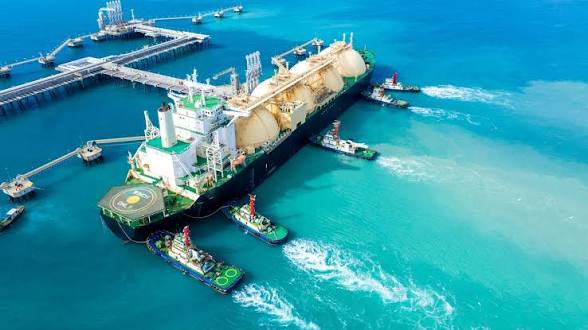
Africa’s changing natural gas landscape is placing renewed attention on how countries can maximise the value of their resources beyond exports, with Ghana’s own energy strategy reflecting the growing importance of using gas to strengthen electricity supply, industrial growth and energy security.
Across the continent, emerging gas producers are increasingly exploring models that combine liquefied natural gas (LNG) exports with domestic gas utilisation, ensuring that natural resources contribute directly to economic development.
For Ghana, which relies heavily on natural gas for thermal power generation, the conversation reinforces the importance of expanding gas infrastructure and creating a reliable domestic market capable of supporting growing electricity demand.
The country’s experience demonstrates a broader challenge facing many African producers: discovering gas is only the first step. The greater challenge lies in developing the infrastructure, investment frameworks and domestic demand needed to convert resources into tangible economic benefits.
Ghana’s gas infrastructure remains central to power security
Ghana has made significant investments in developing its domestic gas value chain, including the Atuabo Gas Processing Plant, which processes natural gas from offshore fields for electricity generation and industrial use.

The country has also relied on natural gas as a key fuel source for thermal power plants, helping to reduce dependence on more expensive liquid fuels and supporting grid stability.
However, as electricity demand increases and government pursues industrialisation, energy security will depend on continued investment in gas processing capacity, transmission infrastructure and reliable supply arrangements.
This has made discussions around additional gas infrastructure, including the proposed second Gas Processing Plant, increasingly important for the future of Ghana’s energy sector.
Africa moves towards integrated gas strategies
The shift towards domestic gas utilisation is not unique to Ghana.
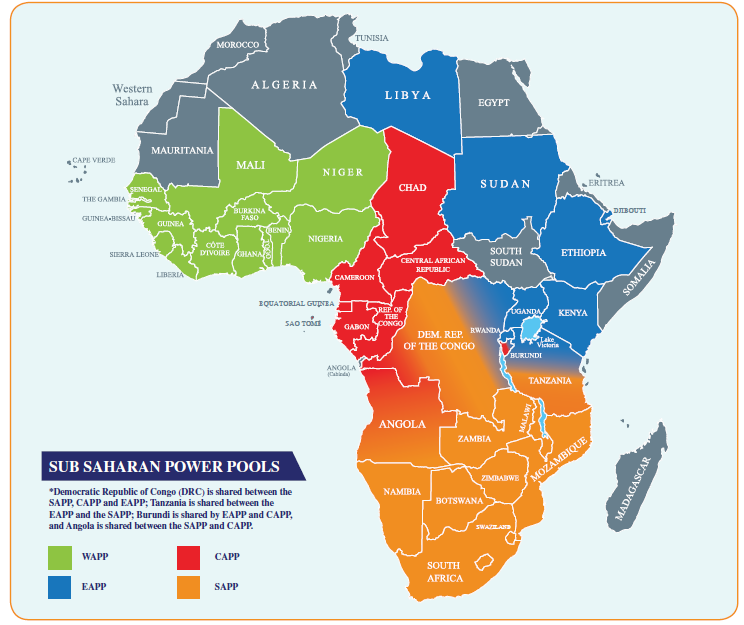
Countries such as Mauritania and Senegal are developing offshore gas resources through strategies that combine LNG exports with plans to use gas locally for electricity generation and industrial growth.
Mauritania’s Greater Tortue Ahmeyim (GTA) LNG project, developed with Senegal, has opened a new chapter for the region’s gas industry, while both countries continue exploring ways to ensure domestic economic benefits from their resources.
Senegal’s Yakaar-Teranga gas development is also being positioned around domestic gas supply, particularly for power generation and industrial users.
These developments reflect a wider continental trend where African countries are seeking to avoid a situation where they export natural resources while struggling with domestic energy challenges.
Domestic markets key to unlocking gas potential
The African Energy Chamber has argued that future gas developments must balance investment attractiveness with domestic development needs.
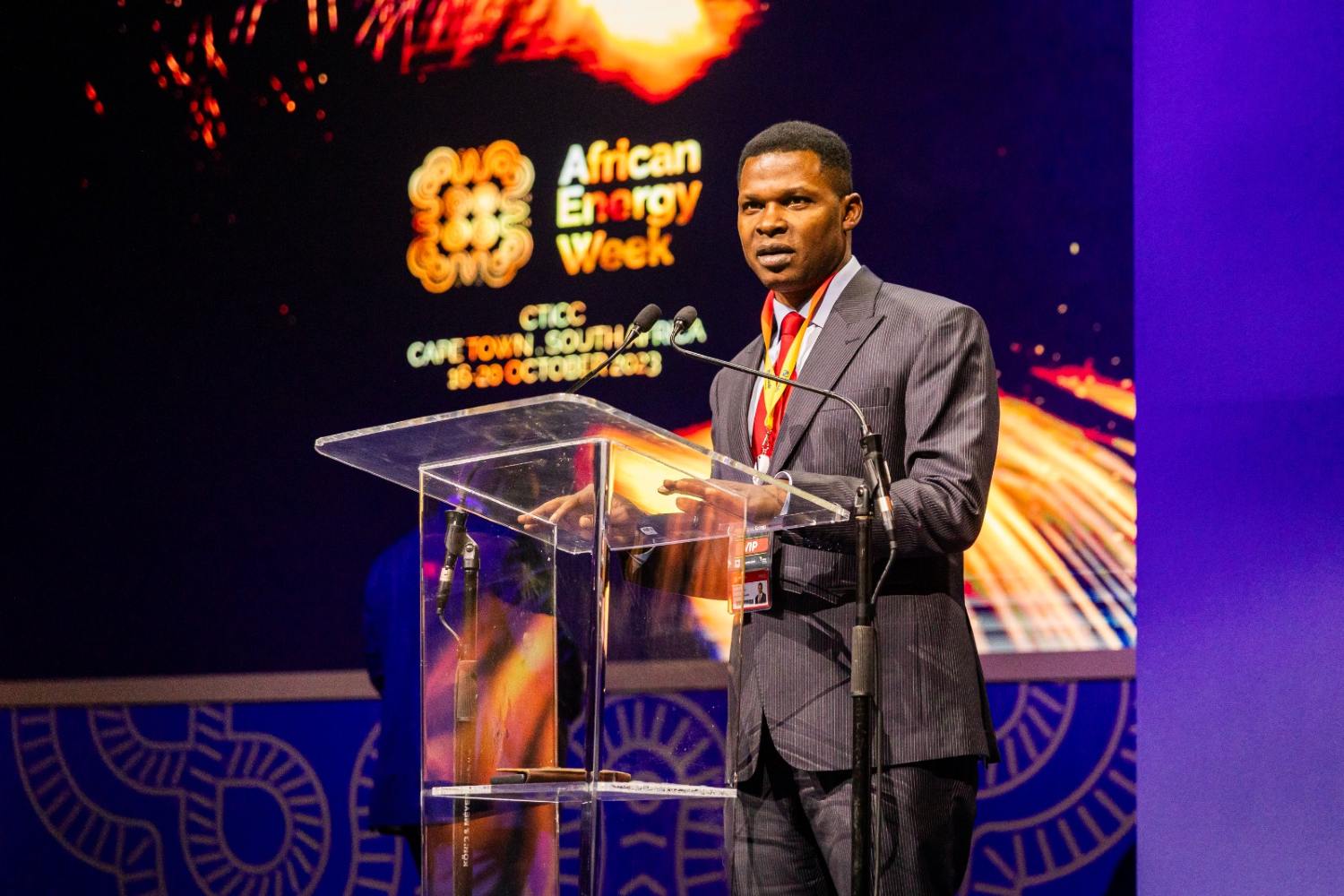
Africa’s gas resources must serve African development first and foremost.
NJ Ayuk, Executive Chairman of the African Energy Chamber.
The next generation of gas projects must be built around models that attract international investment while also delivering reliable power, industrial growth and energy security for communities across the continent.
For Ghana, the issue is not only about increasing gas availability but ensuring that infrastructure exists to move gas efficiently from production fields to power plants and industrial consumers.
Infrastructure will determine success
While gas resources provide significant opportunities, experts note that infrastructure remains one of the biggest barriers to building effective domestic gas markets.
Pipelines, processing facilities, power plants and transmission systems require significant investment and strong commercial arrangements to operate sustainably.
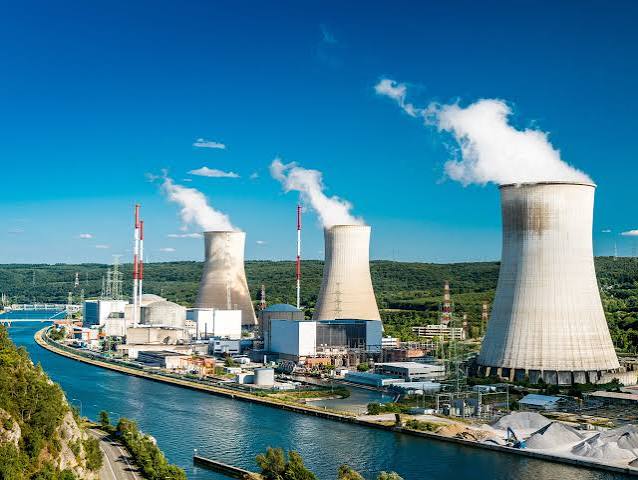
For Ghana, strengthening this value chain will be critical as the country seeks to improve electricity reliability, support manufacturing and maintain competitiveness in a changing global energy environment.
The emerging African gas model suggests that countries will increasingly measure success not only by export volumes but by how effectively natural gas supports national development.
As Africa balances energy security, industrialisation and the transition towards cleaner energy systems, Ghana’s ability to maximise its domestic gas resources will remain central to its long-term energy ambitions.
READ MORE: Attorney General to Appeal Tamakloe Acquittal at Supreme Court