Ghana’s efforts to strengthen energy security are receiving renewed attention following progress on a major West African gas infrastructure project that could reshape regional energy cooperation and trade.
The signing of an Intergovernmental Agreement (IGA) by ECOWAS member states to advance the Nigeria-Morocco African Atlantic Gas Pipeline (AAGP) has renewed discussions around the future of cross-border gas infrastructure and the role of regional markets in addressing Africa’s energy challenges.
Although Ghana is not among the countries currently identified as part of the AAGP route, the development has important implications for the country as it continues to rely on natural gas as a key fuel for electricity generation, industrial activity and broader economic growth.
The move reinforces a wider regional conversation around the need for stronger gas networks, improved supply reliability and greater cooperation among African energy-producing and energy-consuming countries.
The development of large-scale gas infrastructure requires significant investment, strong regulatory frameworks and cooperation among participating countries.
The advancement of projects such as the AAGP reflects growing recognition that Africa’s energy challenge is not only about resource availability but also about the ability to develop the infrastructure needed to move energy resources efficiently across borders.
Regional gas integration gains momentum
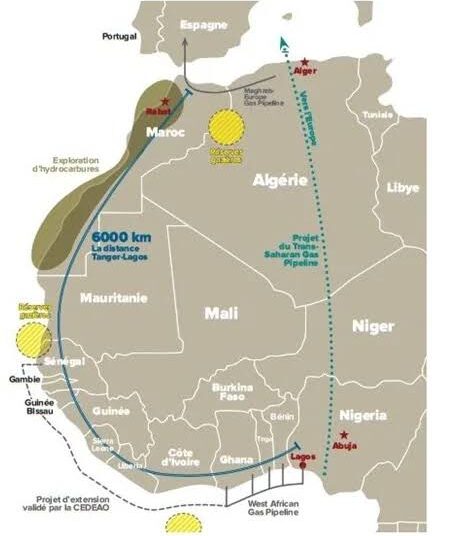
The African Atlantic Gas Pipeline is designed to transport natural gas from Nigeria through several West African coastal countries towards Morocco, with the potential to connect the region to wider international gas markets.
The agreement signed in Freetown, Sierra Leone, marks a significant step in advancing a project that has been promoted as a platform for regional energy integration and economic cooperation.
Nigeria, which holds some of Africa’s largest natural gas reserves, has long sought to expand the use and export potential of its gas resources. The proposed pipeline is expected to create new opportunities for gas trade while supporting energy access and industrial development across participating countries.
For West Africa, where many economies continue to experience electricity supply challenges despite abundant natural resources, regional gas infrastructure could provide a pathway towards improving energy reliability.
However, the success of such projects will depend on financing arrangements, regulatory coordination, commercial agreements and the ability of participating countries to create sustainable demand for gas.
Ghana’s position in West Africa’s gas market
For Ghana, the development comes at a time when natural gas remains central to the country’s electricity security strategy.
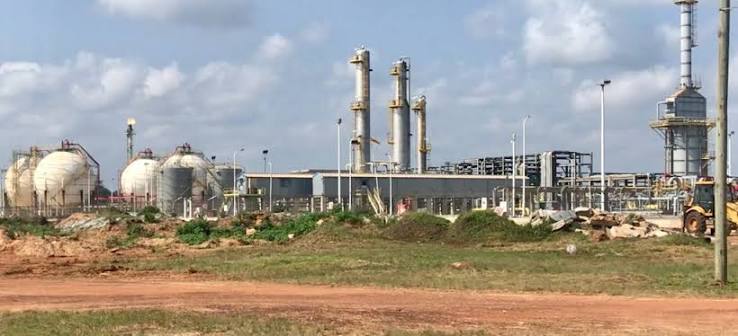
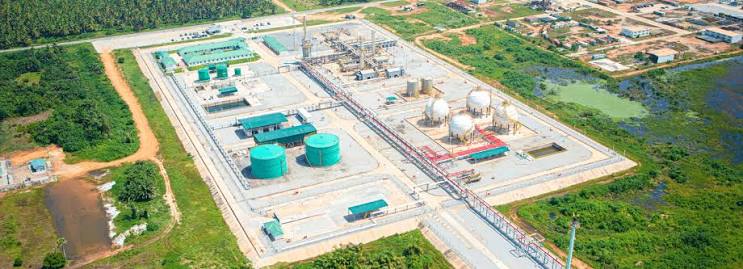
Ghana has invested significantly in developing its domestic gas infrastructure, including the Atuabo Gas Processing Plant, which processes gas from offshore production fields for use in the domestic market.
The country is also connected to regional gas trade through the West African Gas Pipeline, which transports natural gas from Nigeria to Ghana and other coastal West African countries.
These infrastructure investments have played an important role in supporting Ghana’s thermal power generation and reducing dependence on more expensive fuel alternatives.
However, Ghana’s experience has also highlighted the challenges associated with gas security. Periodic supply constraints, infrastructure limitations and payment-related difficulties within the energy sector have affected the reliability of gas deliveries for power generation.
As Ghana pursues industrialisation and seeks to meet rising electricity demand, securing dependable gas supply remains a major priority.
The regional push for expanded gas infrastructure therefore reinforces the importance of Ghana strengthening its own systems while exploring opportunities for deeper cooperation within West Africa’s energy market.
Gas as a bridge for Africa’s development
Across the continent, governments continue to view natural gas as an important component of economic development, particularly in supporting electricity generation, manufacturing and industrial expansion.
For countries such as Ghana, gas provides the flexibility needed to support grid stability, especially as renewable energy sources such as solar and wind are gradually integrated into national electricity systems.
Energy analysts have argued that Africa’s challenge is not simply a shortage of energy resources but limited infrastructure to convert those resources into reliable and affordable energy.
Large-scale regional projects could help address this challenge by creating interconnected energy systems that allow countries to share resources and improve resilience.
However, experts have also cautioned that gas infrastructure must be developed alongside careful economic planning to ensure that investments deliver long-term value.
Balancing gas development and the energy transition
The renewed focus on regional gas infrastructure also comes as Ghana and other African countries navigate the complexities of the global energy transition.
While international efforts continue to promote cleaner energy systems, many African countries maintain that natural gas will remain necessary in the short and medium term to support economic development and expand electricity access.

For Ghana, the challenge will be ensuring that gas investments complement rather than delay the growth of renewable energy and other clean technologies.
This requires a balanced approach that prioritises energy security, affordability and sustainability.
The country’s future energy strategy will depend on improving domestic gas infrastructure, strengthening regional partnerships and continuing investments in renewable energy solutions.
A regional opportunity with lessons for Ghana
The progress made on the African Atlantic Gas Pipeline represents a significant development in Africa’s efforts to build stronger energy connections.
While Ghana is not directly part of the pipeline project, the initiative provides important lessons for the country’s own energy planning.
As West Africa moves towards greater energy integration, countries with stronger infrastructure, reliable regulatory frameworks and effective cooperation mechanisms are likely to benefit most from emerging opportunities.
For Ghana, the development highlights the need to continue improving its gas systems, strengthening energy sector governance and positioning itself within a more interconnected regional energy market.
Ultimately, the future of Africa’s energy security will depend not only on the availability of resources but also on the infrastructure and partnerships needed to deliver those resources where they are most needed.
READ ALSO: Fiscal Discipline Must Become Ghana’s National Culture, Ato Forson Declares