The Ghana Chamber of Mines has urged mining companies, chemical producers, and logistics providers across West Africa to participate in a regional workshop focused on strengthening compliance with global cyanide safety protocols.
Organized by the International Cyanide Management Institute (ICMI) in collaboration with the ECOWAS Federation of Chambers of Mines (EFEDCOM), the two-day capacity-building initiative aims to enhance standard operating procedures across the sub-region’s extractive value chain.
Stakeholders will gather from November 16–17, 2026, at the Radisson Blu Hotel Airport in Abidjan, Côte d’Ivoire, to examine rigorous verification mechanisms, audit frameworks, and operational strategies.
“The International Cyanide Management Institute (ICMI), in collaboration with the ECOWAS Federation of Chambers of Mines (EFEDCOM), invites mining industry stakeholders to a Cyanide Code Implementation and Audit Workshop on 16–17 November 2026 at the Radisson Blu Hotel Airport, Abidjan, Côte d’Ivoire. Mining companies, cyanide producers and transporters, HSE professionals, auditors, consultants, regulators, NGOs and industry associations are encouraged to participate. BY: Ghana Chamber of Mines.”
Ghana Chamber of Mines
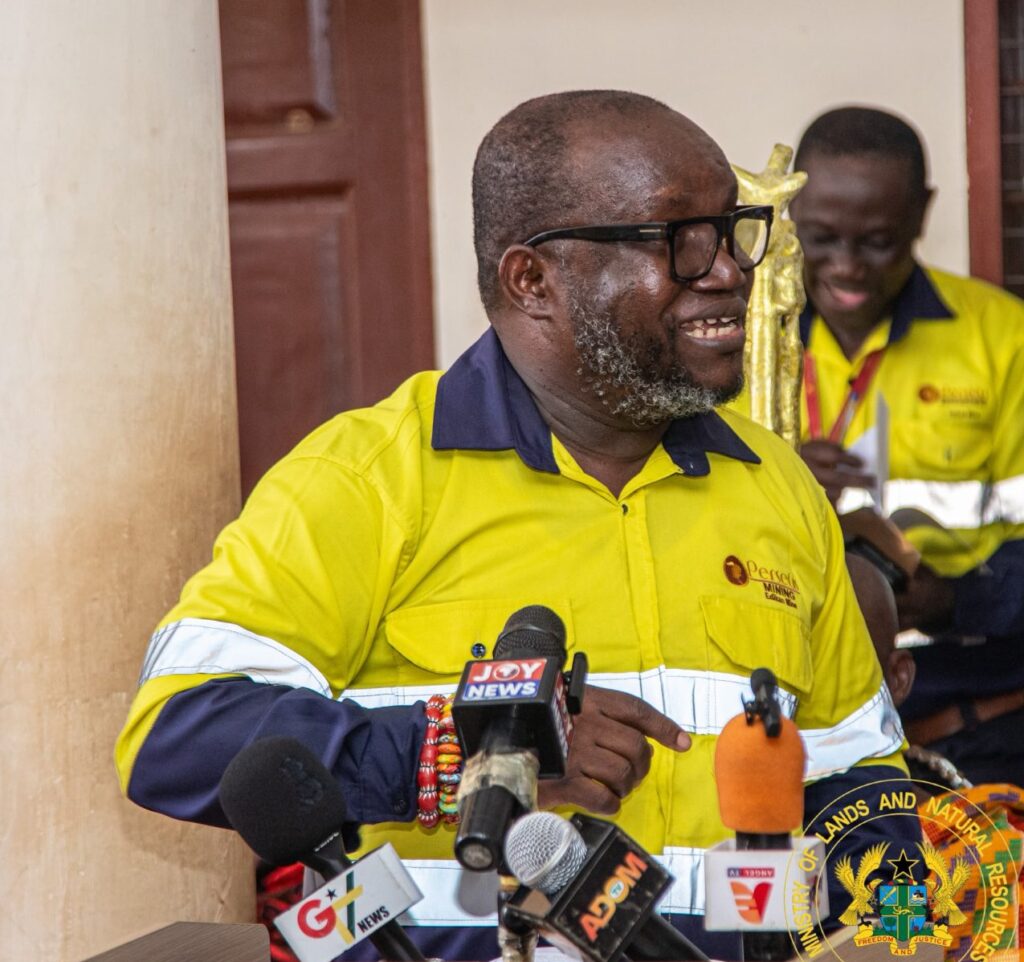
This upcoming assembly represents a coordinated attempt by regional bodies to harmonize industrial environmental safeguards across West Africa’s fast-expanding gold production corridors.
Beyond gold mining entities, the invitation extends to hazardous materials transporters, health, safety, and environment (HSE) officers, third-party auditors, technical consultants, state regulators, civil society organizations, and trade associations.
Participants will receive direct technical instruction on navigating auditing procedures, achieving certified status, and maintaining risk mitigation protocols designed to shield ecosystems and nearby human settlements from chemical exposure.
Enhancing Operational Safety Across West African Mining Corridors
The economic reliance of West African nations on industrial gold processing has made strict chemical containment an urgent regional priority.
Sodium cyanide remains the primary chemical reagent utilized globally in industrial gold leaching due to its efficiency in separating precious metals from mined ore.
However, improper handling, inadequate storage, or transport accidents present severe eco-toxicological risks to water basins, agricultural lands, and public health.
By institutionalizing standardized protocols, West African extraction hubs can significantly lower operational risks and align local practices with international safety standards.

Industry figures emphasize that adopting voluntary regulatory frameworks like the International Cyanide Management Code provides operational clarity and protects communities adjacent to industrial concessions.
“Harmonizing chemical safety standards across ECOWAS borders ensures that transport corridors remain secure from port entry points straight to remote processing plants,” an industry representative remarked during preliminary briefing sessions.
Furthermore, adherence to standardized practices builds community trust, limits environmental liabilities, and safeguards the broader social license to operate within sensitive ecological zones.
Regional Integration and Sustainable Extractive Governance
A unified sub-regional strategy is vital because the logistical chains for mining reagents frequently span multiple national borders throughout West Africa.
Reagents landing at maritime ports in coastal states such as Côte d’Ivoire, Ghana, or Senegal often traverse vast land routes to reach inland processing operations in Burkina Faso, Mali, and Niger.
Establishing seamless compliance protocols reduces cross-border regulatory friction while ensuring that logistics contractors enforce strict safety measures during transit, bulk handling, and emergency response planning.
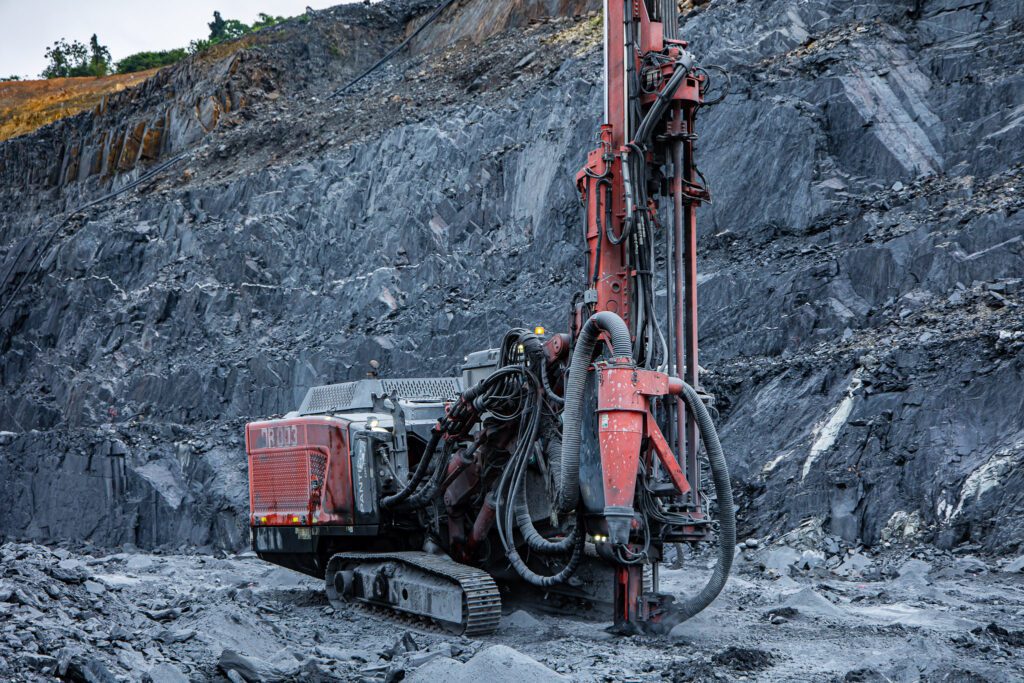
Civil society groups and environmental regulators have welcomed the joint initiative between ICMI and EFEDCOM as a positive step toward transparent extractive governance.
Integrating statutory regulatory bodies alongside independent auditors and non-governmental institutions at the Abidjan summit ensures multi-stakeholder oversight. “Cross-sector collaboration allows regulators and mine managers to align technical expectations long before formal auditing cycles begin,” noted a regional HSE specialist reviewing the event schedule.
Such collaborative dialogue helps eliminate operational gaps that could lead to environmental contamination or workplace hazards.
Strengthening Institutional Auditing and Global Market Verification
Beyond immediate risk mitigation, compliance with certified cyanide codes increasingly dictates access to international capital and refined metal markets.
Global financial institutions, ESG-oriented investment funds, and international bullion refiners demand verifiable proof that gold production meets stringent environmental and human safety criteria.
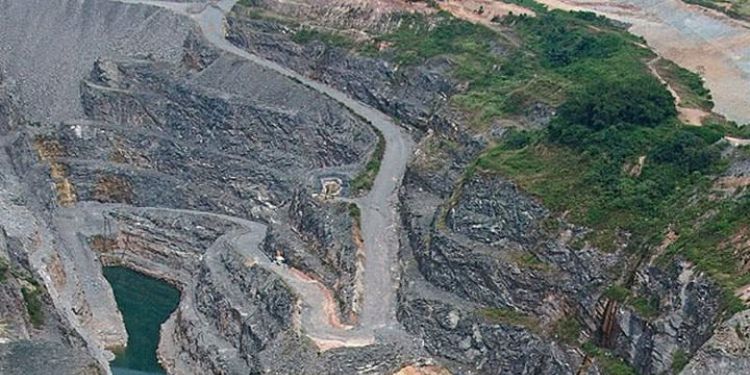
Operating under unverified procedures exposes mining operations to severe regulatory penalties, reputational damage, and potential exclusion from premier global supply chains.
The Abidjan workshop will equip auditors, regulators, and company executives with the practical toolkits necessary to conduct thorough triennial compliance evaluations.
Through detailed instruction on decommissioning plans, worker protection standards, and solution management, the workshop provides an actionable roadmap toward certified compliance.
By fostering regional technical capacity, EFEDCOM and ICMI are positioning West Africa’s mining sector toward long-term environmental sustainability and international competitiveness.
READ ALSO: Accra-Kumasi Expressway to Be Delivered in 24 Months, Project CEO Says