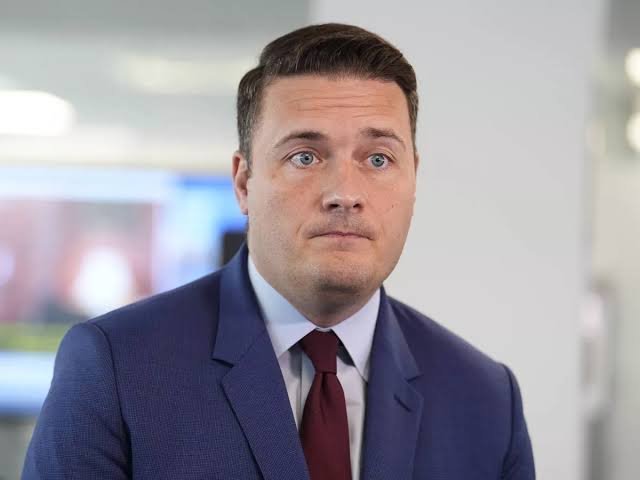
UK Health Secretary, Wes Streeting has announced changes to how the sugar tax is applied in the country, saying the threshold for the sugar tax on soft drinks will be lowered from 5g to 4.5g per 100ml.
The government is also removing the exemption to the tax that currently applies to milk-based drinks. The sugar tax on soft drinks was introduced in 2018, but milk drinks were exempt.
Streeting’s announcement on plans to expand sugar taxes comes a day before Chancellor Rachel Reeves gives her budget.
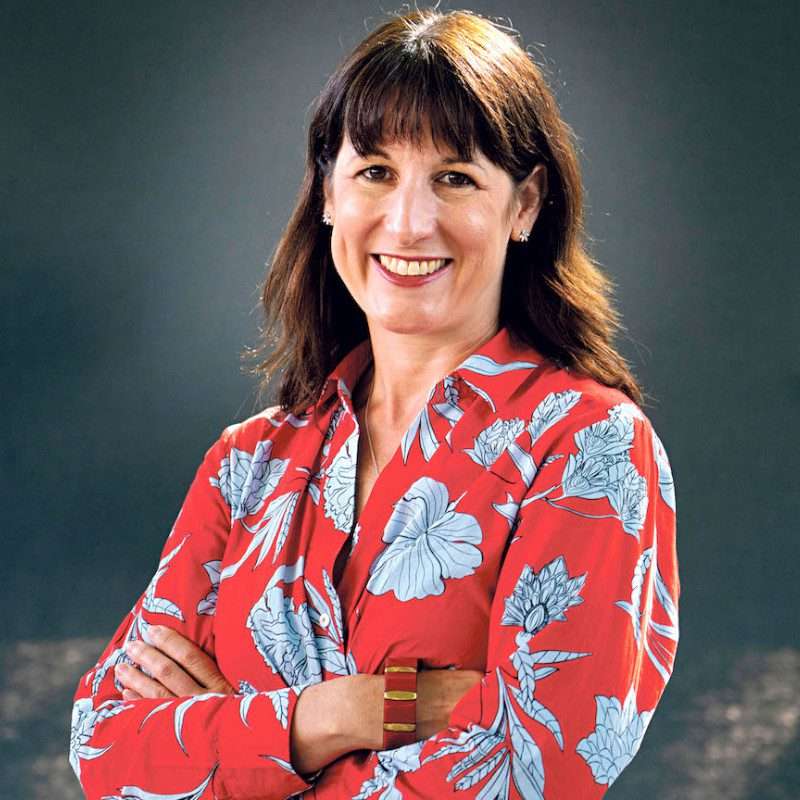
Reeves has confirmed that both tax rises and spending cuts are on the table – but according to government sources, she will not raise income tax rates. Other possible measures include a new tax on electric vehicles, Isa reform and changes to the two-child benefit cap.
Speaking to the House of Commons, Streeting said, “Obesity robs children of the best possible start in life,” adding that it hits the poorest hardest and sets them up for “a lifetime of problems.”
The Soft Drinks Industry Levy will be expanded to include bottles and cartons of milkshakes, flavoured milk and milk substitute drinks. The change is expected to begin on January 1, 2028. It will mean some milk-based drinks get more expensive – unless their sugar content is cut.


According to a statement posted on the government website, on the reasons behind this decision, the government said that it “remains committed to addressing the obesity epidemic” and wants to prioritise a “system of prevention.”
There had been speculation earlier that the threshold could be lowered to 4g per 100ml but the government said that the decision to set it to 4.5g per 100ml strikes the “appropriate balance” between supporting health objectives and creating conditions for the soft drink industry to keep growing and investing.
In the document, the government said that “open-cup” drinks prepared in cafes and bars will remain out of scope, as will plain cow’s milk, “and other milk drinks without added sugar.”
According to the announcement, milk substitutes without added sugar will not be included in the new tax. Plant-based drinks that only release sugars from their core ingredient will also remain out of scope.
The government has also created a “lactose allowance” to account for the naturally occurring sugars in milk. “The vast majority of lactose present in a milk-based drink will be excluded in the ‘total sugar’ value when determining a drink’s liability [for the tax],” it noted.
The government document asserted that once the changes are introduced from January 1, 2028, they’re expected to bring in £40m to £45m a year in extra tax receipts. This estimate will be included in tomorrow’s Budget with a costing note.
Health Think Tank Lauds Changes To Sugar Tax
Sarah Woolnough, Chief Executive of health think-tank The King’s Fund, stated that the tax change would be “not only common sense but also a quick win for government and, most importantly, for children and young people.”
Woolnough said that nearly one in four children are overweight or obese by the time they start primary school.
She stressed that far from limiting freedom for individuals, “smart regulations like the milkshake tax expands it, enabling people to live more of their lives in good health.”
In its published document, the government said that changes to the sugar tax has got support from health groups and academics.
However, it also says that the dairy industry, major producers and trade bodies have mounted “strong opposition.” Producers were worried consumers would turn their noses up if they cut the sugar content.
READ ALSO: Ghana Rallies AU-EU Partners to Confront Rising Extremism, Reparations