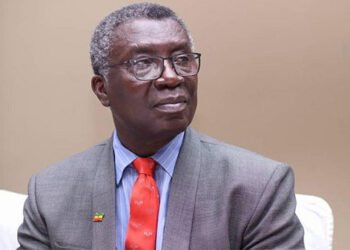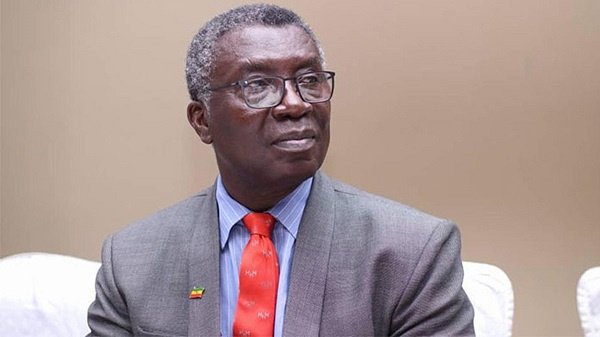
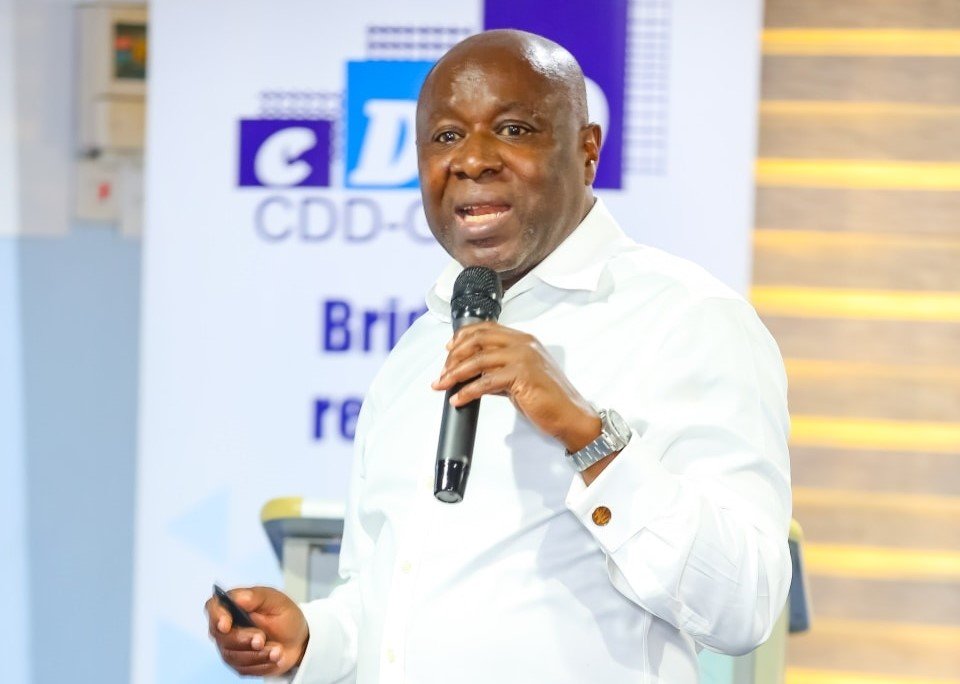
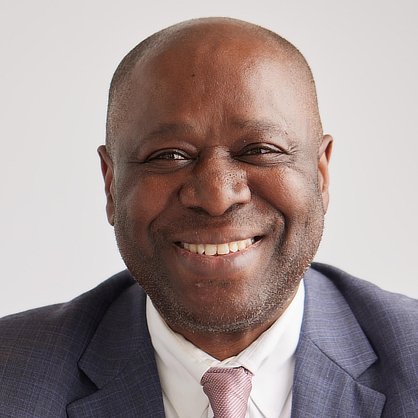
Dr. Ohene Aku Kwapong, Fellow at the Ghana Centre for Democratic Development (CDD-Ghana), has called on the Mahama-led administration to adopt a bold and pragmatic approach in its quest to revive a national airline by forming a strategic partnership with Africa World Airlines (AWA).
According to him, Ghana’s long struggle to restore a national carrier stems not from a lack of capacity but from a persistent unwillingness to trust local entrepreneurs who have already demonstrated world-class competence.
In a sharply reasoned argument, Dr. Kwapong questioned whether Ghana seeks merely to re-establish a symbolic national airline or to genuinely solve a persistent transportation challenge that undermines economic development.
He drew comparisons to Southeast Asian nations such as South Korea, Singapore, Malaysia, and Indonesia—countries whose economic transformation, he argued, was driven not only by industrial policy but by the philosophy of their most visionary entrepreneurs.
“These societies produced business leaders who understood themselves as instruments of national advancement. They carried an ethic of scale, discipline and national purpose. Their governments, for their part, had the courage to empower them”.
Dr. Ohene Aku Kwapong, Fellow at the Ghana Centre for Democratic Development (CDD-Ghana)
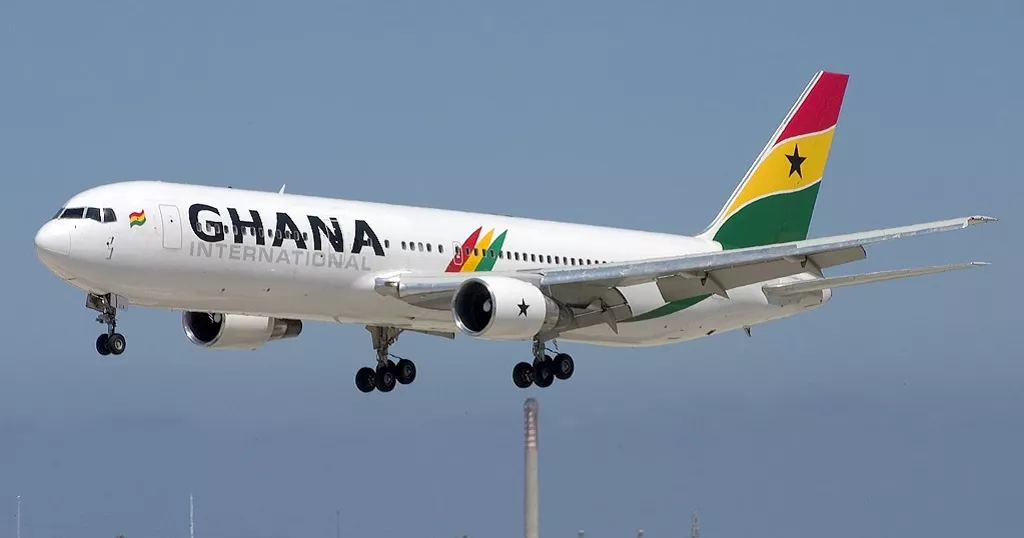
Ghana, in his view, continues to falter because it desires development while avoiding the uncomfortable but necessary step of relying on its own builders. He cited the troubled history of Ghana Airways and its successor, Ghana International Airlines, both of which collapsed under decades of bureaucratic interference, politicised management, and the inability of the state to run commercial ventures effectively.
While noting that even China refrains from operating wholly state-owned commercial enterprises, he stressed that the pattern in Ghana is more troubling because the country already possesses a functioning and proven aviation model. This model, he argued, is Africa World Airlines, founded by entrepreneur James Akpo, popularly known as Togbe Afede.


“He did the improbable. He built the systems. He secured international partnerships. He created a carrier that has flown more than five million passengers safely, reliably, and efficiently. In a difficult environment, he did what the state could not do over forty years.”
Dr. Ohene Aku Kwapong, Fellow at the Ghana Centre for Democratic Development (CDD-Ghana)
AWA’s Partnership is not Sentimental but Empirical
For him, the case for AWA’s leadership in a national carrier partnership is not sentimental but empirical. The airline already has the infrastructure, the experience, and the credibility that Ghana has failed to build repeatedly.
Dr. Kwapong argued that a “developmental state” faced with such evidence would make a rational choice: identify a proven local firm, design a performance-based partnership, provide calibrated financial guarantees, and integrate the airline into a broader national aviation strategy.

Instead, he said, Ghana hesitates—not because of technical limitations but because of psychological barriers. He described this reluctance as a lingering “public trauma,” a cultural reflex that views successful domestic entrepreneurs with suspicion.
“Our public life is still governed by an inherited trauma, a reflex of suspicion toward domestic capital. Instead of asking whether AWA can deliver a viable national airline, the public demands to know whether support for AWA is a favour to Togbe Afede.”
Dr. Ohene Aku Kwapong, Fellow at the Ghana Centre for Democratic Development (CDD-Ghana)
According to him, this mindset paralyses decision-making and prevents Ghana from utilising the capabilities of its own citizens to advance national interests. He warned that the cost of this hesitation is enormous. Ghana continues to reinvent the wheel, spending millions on new airline concepts while a functional model already exists.
This, he said, represents not only financial loss but a profound waste of national potential. “We treat every domestic entrepreneur as a suspect. We treat every opportunity for national capacity-building as a political risk,” he lamented.
Best Model from South Korea
Drawing a parallel with South Korea, Dr. Kwapong noted that its early business leaders were not universally admired, yet the state made a principled decision to prioritise performance over perception.
This courageous decision, he said, birthed globally competitive corporations such as Samsung, Hyundai, LG, and Korean Air—companies that began with far fewer advantages than AWA has today. Ghana, he argued, must demonstrate similar courage by mobilising its own entrepreneurial talent.
The renewed effort by the Mahama administration to restore a national airline, following his return to power in 2025, provides what Dr. Kwapong considers the ideal moment for such a shift. President Mahama, in his first State of the Nation Address, reaffirmed the need to rebuild national pride in Ghana’s aviation sector.
The Minister for Transport, Joseph Bukari Nikpe, has also confirmed that the government is actively seeking credible partners to establish a sustainable and competitive national carrier.
For Dr. Kwapong, the path forward is clear: the government must adopt a transparent, performance-driven partnership model with Africa World Airlines, stressing the need for setting up measurable targets—safety, fleet growth, regional connectivity, and profitability—while providing the institutional support that enables AWA to expand its operations as part of Ghana’s aviation strategy.
Most importantly, he said, the government must assert publicly that empowering a domestic firm is not corruption but sound national strategy. “Until we confront and discard the trauma that shapes our public imagination, we will continue to manufacture obstacles to our own advancement,” he cautioned.
In his view, Ghana’s challenge is neither the absence of capable entrepreneurs nor the scarcity of opportunity, but the fear of what it means to trust talent that is home-grown.
READ ALSO: IMANI Urges Greater Attention to Mining Sector’s Role in Ghana’s Rising Emissions