The Ghana National Chamber of Commerce and Industry (GNCCI) has issued a strong caution to the government as the nation enters a critical phase of economic planning for 2026.
At the sixth edition of the Chamber National Dialogue Series held in Accra, the Chamber emphasised that the fragile gains made in 2025 could be undermined if the government resorts to renewed borrowing instead of pursuing sustainable growth strategies like public–private partnerships (PPPs).
This call comes at a time when policymakers, economists, and business leaders are evaluating the orientation and implications of the 2026 National Budget, which seeks to build on macroeconomic stability and stimulate inclusive growth.
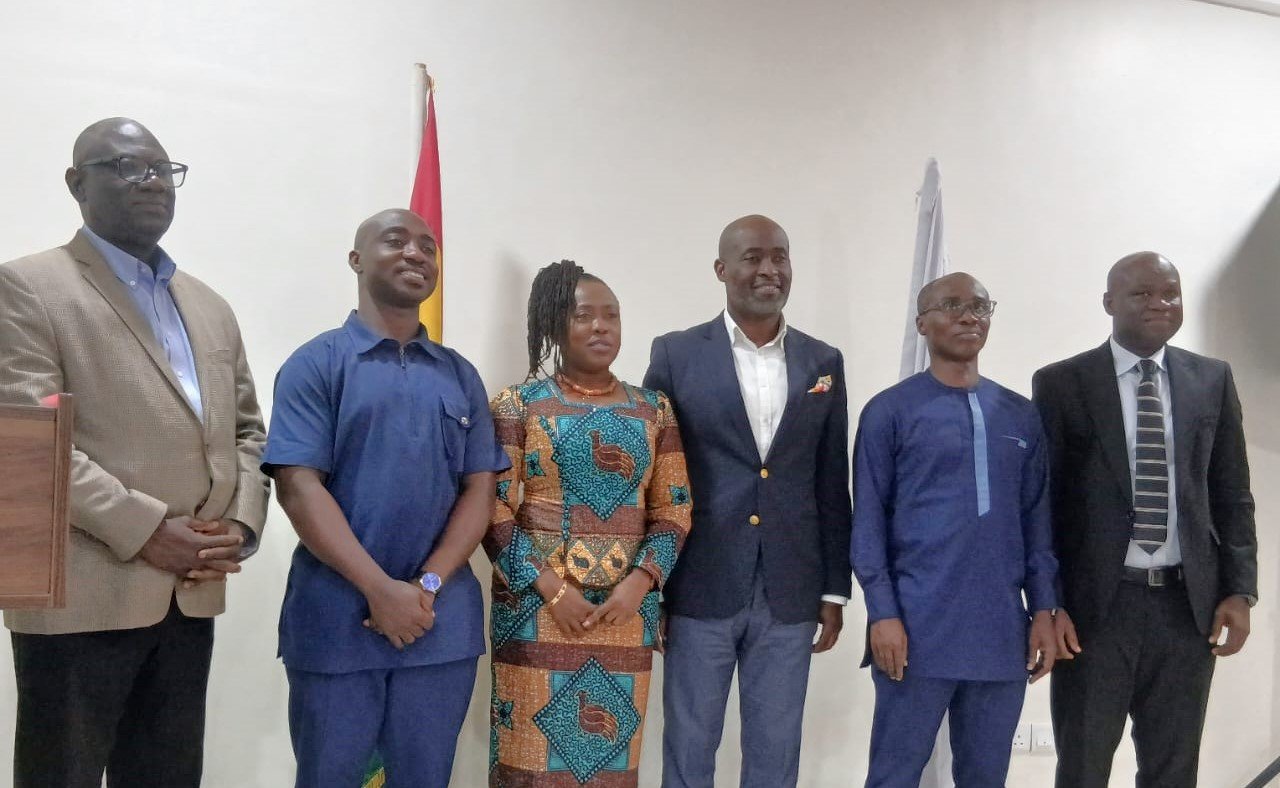
Speaking at the dialogue, GNCCI President Mr. Stephane Miezan urged the government to reconsider its intention to re-enter the domestic bond market. He described the move as premature and potentially damaging to the country’s recovery efforts. “We believe it is too early in the days to start accruing debt,” he said, stressing that Ghana must avoid sliding back into distress after years of tight fiscal balancing.
According to Mr. Miezan, the government would be better served by exploring PPP arrangements, particularly with domestic private sector investors. He emphasised that PPPs present a viable and sustainable alternative to expensive borrowing, especially as the country aims to consolidate stability while accelerating growth. “Partnerships between the public sector and private actors offer the opportunity to reduce the financial burden on government while facilitating critical investment,” he stated.
A Critical Review of the 2026 Budget
The 2026 budget, as outlined by government officials, is structured around three foundational pillars: macroeconomic consolidation, expanded growth and job creation, and enhanced social and security investment. According to the GNCCI, these commitments present significant opportunities for the private sector, but their impact depends heavily on effective execution.


Mr. Miezan noted that while national budgets often feature well-designed policies, many are left unimplemented, weakening their intended impact. He emphasised the need for steadfastness and accountability, stating, “We have observed well-designed policies presented in national budgets but left unimplemented.” He therefore called on government to ensure that the 2026 budget does not fall victim to the same pattern.
He added that GNCCI remains committed to advocating for a business-friendly environment that reduces the cost of doing business, strengthens institutional frameworks, and opens new markets under the African Continental Free Trade Area (AfCFTA) and beyond. “We remain committed to working collaboratively with all stakeholders to ensure that national policies translate into tangible outcomes for Ghanaian enterprises,” he said.
Economists Project a More Supportive Business Environment
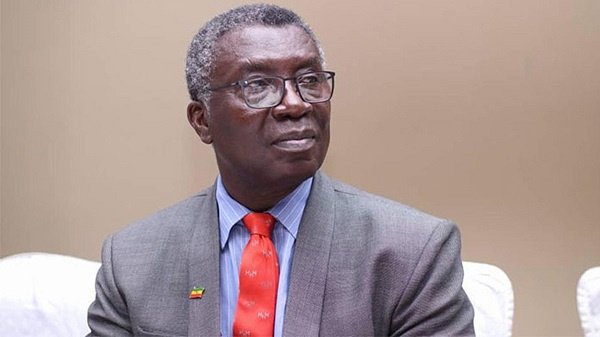
At the event, renowned economist Professor Patrick Opoku Asuming expressed optimism that 2026 would offer improved conditions for businesses in Ghana. He pointed to key elements of the government’s strategy, including VAT reforms, stronger macroeconomic targets and a more disciplined fiscal posture. According to Prof. Asuming, these measures signal a deliberate attempt to stabilise the economy after years of turbulence.
He added that the government appears ready to ease restrictions and revive economic activities through the reactivation of flagship programmes that have been stalled in recent years. “There seems to be an attempt to move the handbrake a little to get the economy moving,” he said, suggesting that businesses would welcome the renewed focus on growth-oriented policies.
Prof. Asuming further observed that the government’s intention to maintain a primary balance and control expenditure is encouraging to the business community, which has been burdened by years of uncertainty.
Providing further analysis, Mr. Yaw Appiah Lartey, Partner for Strategy and Partnerships at Deloitte Ghana, described the 2026 budget as a deliberate shift toward growth stimulation after the stabilization achieved in 2025. He explained that the government spent much of 2025 dealing with the aftermath of overspending and meeting macroeconomic conditions required under the IMF programme.
According to Mr. Lartey, one of the notable highlights of the 2026 budget is the government’s decision to significantly increase capital expenditure. From a projected 36 per cent in 2025, capital spending is expected to rise to nearly GH¢60 billion in 2026, reflecting a renewed commitment to infrastructure development. Major investments are expected under the Big Push initiative and other strategic projects aimed at building long-term national capacity.
However, he cautioned that this ambitious infrastructure drive must not be financed through excessive borrowing. Ghana’s history of high-interest loans and fiscal slippages, he noted, has repeatedly pushed the country toward debt distress. “The infrastructure expansion is important, but it should not be fuelled by expensive borrowing,” he warned.
With the private sector positioned as a key driver of growth, stakeholders believe that a collaborative, disciplined, and forward-looking approach will be essential in safeguarding the gains achieved in 2025 and powering Ghana’s economic transformation in the years ahead.
READ ALSO:Ghana’s Cocoa Sector Exhumed from Hibernation as Processing Capacity Burgeons