The Ghana Cocoa Board (Cocobod), after a substantial drop in cocoa export revenues in early 2024, staged a recovery in production from a two-decade low in the 2023/24 season.
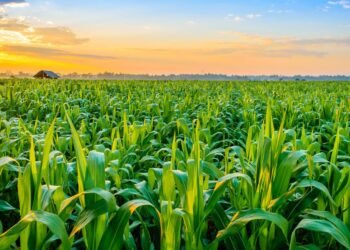
As part of the progress being made in the cocoa sector, Cocobod celebrates the first successful cultivation of cocoa in the North. A farmer named Mohammed Anchala cultivated the cocoa on a two-acre land at Jahinfo Ya in Bimbilla in the Northern Region. This achievement has made waves in the cocoa sector.
The location was visited by the Deputy Chief Executive (Agronomy & Quality Control), Dr. Francis Baah, together with a team of COCOBOD scientists visited the cocoa farm. Dr. Baah assured that Cocobod will deploy extension officers to support Anchala with key Productivity Enhancement Programs (PEPs) and Good Agronomic Practices (GAPs) to boost production and ensure farm sustainability.
Mr Mohammed Anchala harvested three bags of cocoa during the 2024/2025 crop season and is optimistic about harvesting more Cocoa for the 2025/2026 crop season.
Optimism Raised in the Sector
According to Cocobod, the cocoa sector output fell to 425,000 tons in the 2023/2024 season because of the spread of Cocoa Swollen Shoot Virus, illegal mining, and poor weather. Export revenue from exports declined by 47.7 percent in 2024, compared to the same period in 2023. This was caused by the fallen production level and the country’s failure to take advantage of high global prices.
Production is forecast to total 600,000 tons by the end of the 2024/2025 season, which is an improvement in output but below the original target of 800,000 tons.


The Minister of Food and Agriculture, Mr Eric Opoku has projected that the 2025/2026 cocoa season will witness an improved sector contribution of 10 percent of GDP as production is set to exceed 650,000 tons.
He attributed his projection to favorable weather conditions, progress in combating cocoa swollen shoot virus and illegal mining, and cocoa farmer support and incentives.
Global price drop in late 2024 and early 2025, however, prices have currently stabilized, and the long-term outlook remains positive due to structural reforms and growing global demand.
Cocobod’s Input in the Cocoa Sector
The government, through Cocobod and the Ministry of Food and Agriculture, has improved the producer price intended to stimulate output, scaling down smuggling to other countries. “I think smuggling is a problem today because everything depends on pricing, and our prices are now competitive,” Mr Opoku declared.
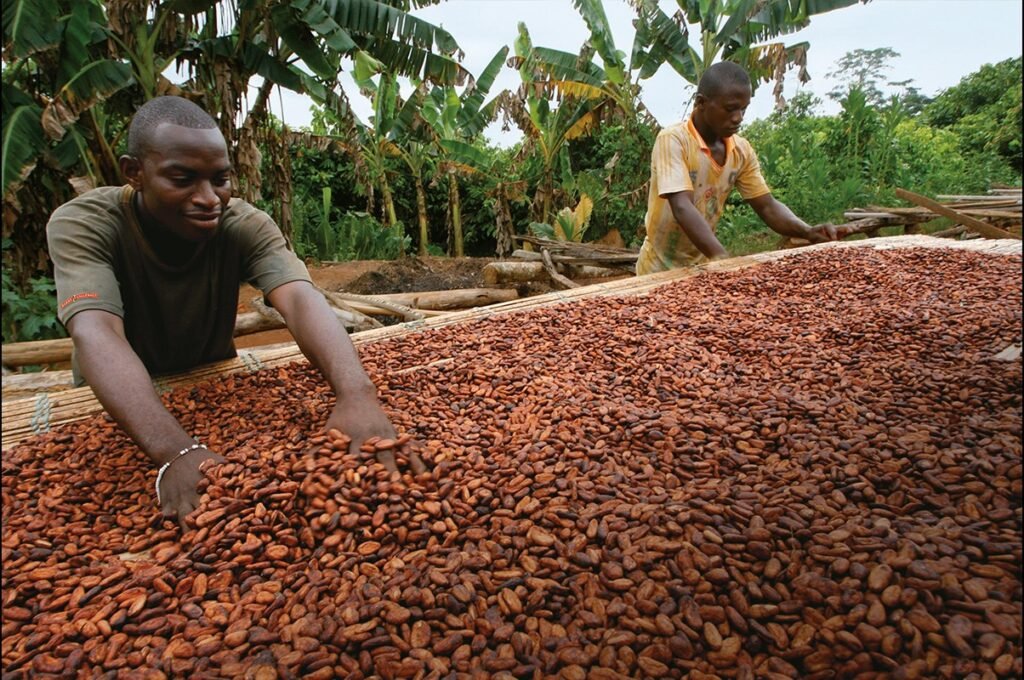
Cocobod has partnered with the security agencies and some citizens to help combat cocoa smuggling and the illegal cutting of cocoa trees for illegal mining activities.
According to Cocobod, the government increased the farmgate price by over 62 percent, paid to cocoa farmers in the current season.
The 2025/2026 cocoa period has raised optimism in the sector, with production expected to rise further. Cocobod initiated the rehabilitation program and farm management initiatives to increase the output of the existing cocoa trees. Cocobod has also implemented the Cocoa Traceability System to comply with the European Union Deforestation Regulations (EUDR).
The farm rehabilitation initiative has restored over 74,813 farms by embarking on an exercise of cutting out diseased and unproductive trees. As a result, yield is increasing while disease-tolerant varieties are promoted. Cocobod has also distributed millions of hybrid cocoa seedlings nationwide to support cocoa farmers and cocoa farms in the rehabilitation efforts.
The Productivity Enhancement Programs (PEPs) have also made headway in the surge of cocoa outputs, as the youth are trained in mass pruning and artificial pollination. Distributions of equipment such as motorized pruners and slashers have been made available to cooperatives to give training and increase farmers’ yield and income.

Crop protection has also been championed through the large distribution of insecticides and fungicides to cocoa farmers promptly to protect the crops from pests and diseases.
According to Cocobod, investments have been made in plantain agroforestry to diversify farmer incomes and support sustainable practices, which is expected to improve cocoa yields and contribute to environmental conservation.
Cocobod, again revealed that conversations are being held to improve farmer welfare and sustainability, including producer price determination and other available supports from the Board.
READ ALSO: Ghana’s Loans Set to Get Cheaper Overnight as Reference Rate Plummets to 15.9%