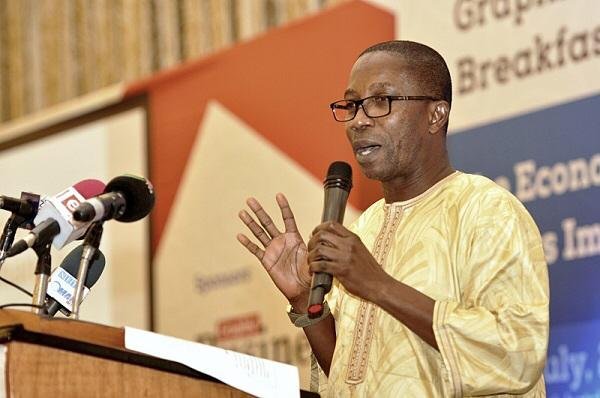
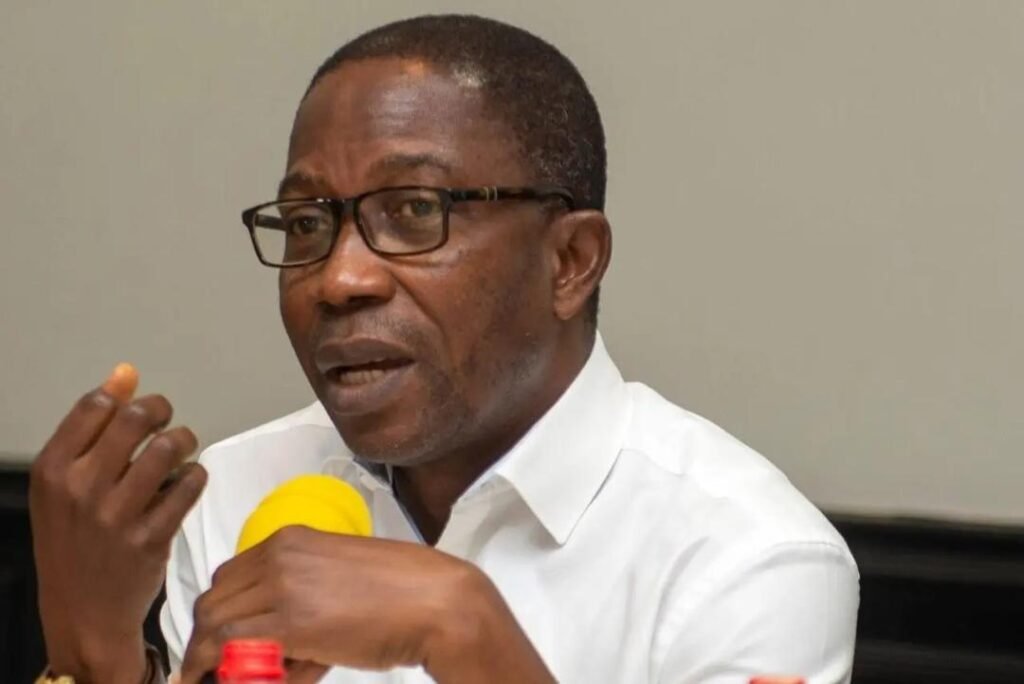
Dr. Yao Graham, the Coordinator of the Third World Network-Africa, has challenged the nation’s prevailing approach in the Ewoyaa Lithium agreement, arguing that Ghana must adopt a more strategic, regional outlook to optimize the potential of its critical mineral resources.
Dr. Yaw Graham urged the country to shift its focus from the fixation on royalty rates to the broader question of long-term value creation.
His intervention comes at a pivotal moment, as the debate surrounding the lithium lease agreement continues to simmer, with the majority in Parliament claiming that the initial 10% royalty deal violated law i.e Mines and Minerals Act (Act 703).
While the government has since presented a revised agreement aligning the royalty with the legal 5% rate, the Third World Network-Africa maintains that the country could derive greater economic benefit by prioritizing value addition over the immediate royalty considerations.
“The ultimate benefit from lithium is its use in producing the commodities like batteries and so on that are the sources of renewable energy and in that process also comes the question about creating new industries which add value, which process and so on. Royalties really are the bottom end of the chain about what you are getting from the raw mineral.”
Dr. Yao Graham
Advocates and Policy Analysts in Shaping National Policies
Just like other policy think tanks, the Third World Network-Africa has long been a vocal advocate for policies that serve the best interests of the country and its people.
Dr. Yao Graham’s intervention in the Ewoyaa Lithium Deal controversy underscores the Third World Network-Africa’s commitment to ensuring that the country’s mineral wealth is leveraged to drive sustainable economic growth and development.


His remarks echo the sentiments of other policy analysts and advocates who have been pushing for a more holistic approach to mineral resource governance in Ghana.
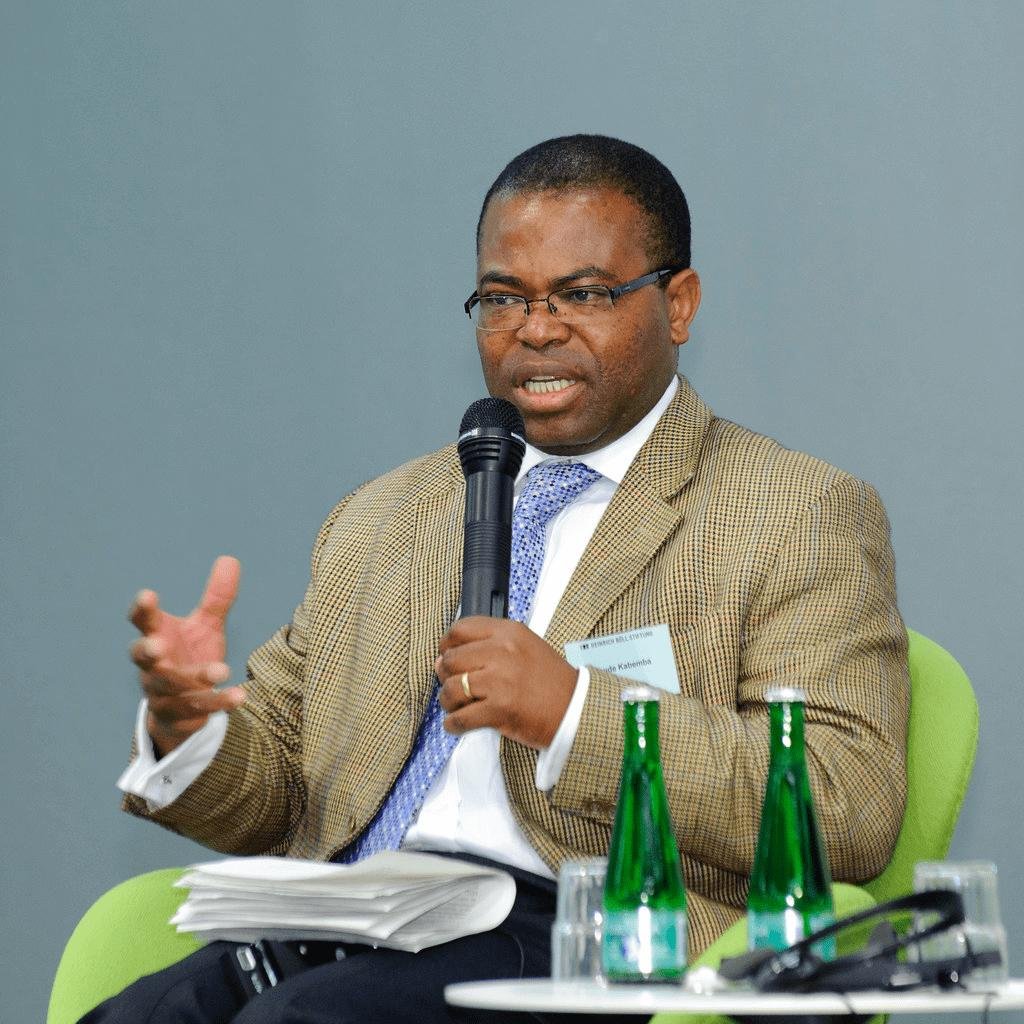
Claude Kabemba, the Executive Director of the Southern Africa Resource Watch, also called for the continent to assert itself in determining the prices of its natural resources, arguing that Africa must not be content with merely collecting royalties.
“We have got a lot of minerals but we don’t have the basic tools to help us turn those minerals into some useful use of some goods practically. My sense is that in the shorter term, we need to quickly ensure that because we don’t have the capacity to add value now, we need to quickly expand our capacity to negotiate contracts and to collect a lot of money out of these resources.”
Claude Kabemba
Prioritizing Value Addition over Royalties
Dr. Yao Graham’s critique of government’s current approach to the lithium deal underscores the need for a paradigm shift in the nation’s mineral resource governance.
The Third World Network-Africa Coordinator argued that the fixation on royalty rates, while important, represents a narrow perspective on the true value that can be derived from the country’s critical mineral resources.
Instead, Dr. Yao Graham called for a broader, more strategic discussion on Ghana’s plan for lithium, not only in terms of its own domestic agenda but also in concert with other regional players, such as Nigeria, which also produces the valuable mineral.
He also emphasized on the need to focus on creating new industries, processing capabilities, and value-addition opportunities that can translate the raw mineral into high-value products and technologies.
This shift in emphasis, from the immediate royalty concerns to the long-term, sustainable development of the lithium industry, reflects a growing recognition among policy experts and advocates that the country must chart a course that goes beyond the mere extraction and export of raw materials.
By aligning its policies and strategies with the broader regional and global trends in the energy transition and critical mineral value chains, the country can position itself as a leader in the emerging lithium economy, reaping the rewards of its natural endowments for the benefit of its citizens.
While the government continues to navigate the complexities of the Ewoyaa Lithium Deal, the voices of advocates including the like of Dr. Yao Graham and Claude Kabemba will undoubtedly play a crucial role in shaping the national discourse and, ultimately, the decisions that will determine Ghana’s economic future.
READ ALSO: Government Elevates Agriculture as Key Pillar in National Economic Reset