The Trades Union Congress (TUC) has launched a blistering attack on the government and the Public Utilities Regulatory Commission (PURC) following the announcement of significant utility tariff increases scheduled to take effect on January 1, 2026.
In a strongly worded statement signed by its Secretary-General, Joshua Ansah, the TUC described the decision to raise electricity tariffs by 9.8 percent and water tariffs by 15.9 percent as insensitive, ill-timed, and a blatant disregard for the hardship already confronting Ghanaian workers.
According to the union, the new tariffs coincide with the implementation date of the recently agreed 9 percent increase in the national minimum wage and base pay for public sector workers.
The TUC said this timing is not only troubling but also symbolic of what it calls “the Government’s New Year’s gift to Ghanaians”—a gift, they argue, that takes away far more than it gives. The union insisted that the already inadequate wage adjustment for 2026 has now been rendered meaningless by these new utility increments.
“As workers bemoan the 9% wage increase for 2026 in the light of the prevailing cost of living, the least they expected was for the government to spring a surprise on them with increases in prices of utilities”.
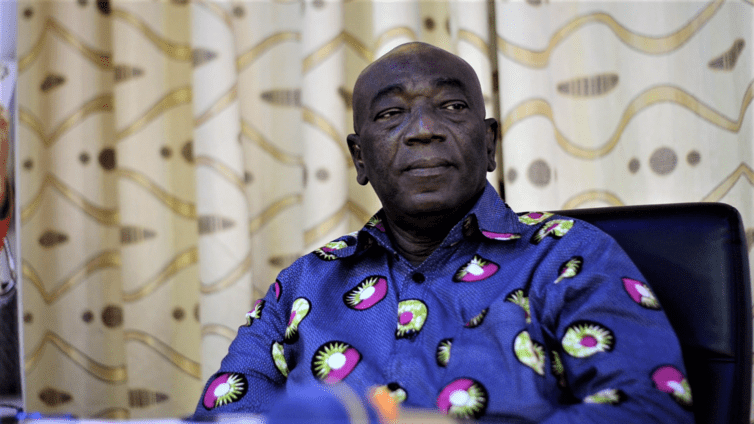
TUC Secretary-General, Joshua Ansah
For the TUC, the new tariff adjustments amount to an outright erosion of workers’ earnings. The union did not mince words in condemning the impact of the decision, insisting that the government has essentially taken away the very wage increment it claims to have granted.
The TUC did not shy away from using strong metaphors to describe the situation. The statement argues that the government’s actions go beyond the old saying “robbing Peter to pay Paul,” suggesting that the reality is far worse.


“What the Government has done is worse than robbing ‘Peter to pay Paul’. In plain language, the Government has robbed the poor Ghanaian worker of the 9% wage increase it had agreed to implement on January 1, 2026”.
TUC Secretary-General, Joshua Ansah
The union is demanding an immediate return to the negotiating table for a review of the 2026 wage increment. It insisted that unless the government tops up the wage increase to cushion workers from the effects of the new utility tariffs, there will be no acceptance of the revised prices.
The TUC stated plainly that Ghanaian workers “cannot accept these increases unless the government comes back to the negotiating table to top up the wage increase for 2026.”
The statement warned that failure by the government to take swift corrective action would lead to mass resistance. The TUC said it is prepared to mobilise its members nationwide to forcefully oppose what it calls “insensitive increases in utility prices.” This could spark a new wave of labour agitation at a time when the government is seeking to project economic stability and recovery.
To reinforce its position and outline its next steps, the TUC and Organised Labour have scheduled a press conference for Monday, December 8, 2025. The event will focus on what the union describes as “insensitive price increases,” and will also provide details of the measures it plans to deploy to push back against the tariff adjustments.
The TUC says this press conference will mark the beginning of a sustained effort to compel the government to reconsider its decision and engage in good-faith negotiations with workers.
For the TUC, the fight is not only about numbers on a payslip but about dignity, fairness, and economic justice for ordinary Ghanaian workers who continue to bear the brunt of rising living costs.
The union insists that leadership must show empathy and responsibility, especially during periods of economic difficulty. It argues that the current decision by government reveals a worrying disconnect between policymakers and the realities faced by citizens.
As the deadline for the new tariffs approaches, tensions between the government and organised labour appear set to escalate, with the potential for nationwide industrial action if no resolution is achieved.
The coming weeks will therefore prove crucial in determining whether the government yields to pressure or whether the country heads toward another round of labour unrest.
READ ALSO: GSE Shakes Off 42% Volume Drop as Turnover Climbs and Indices Hold Strong