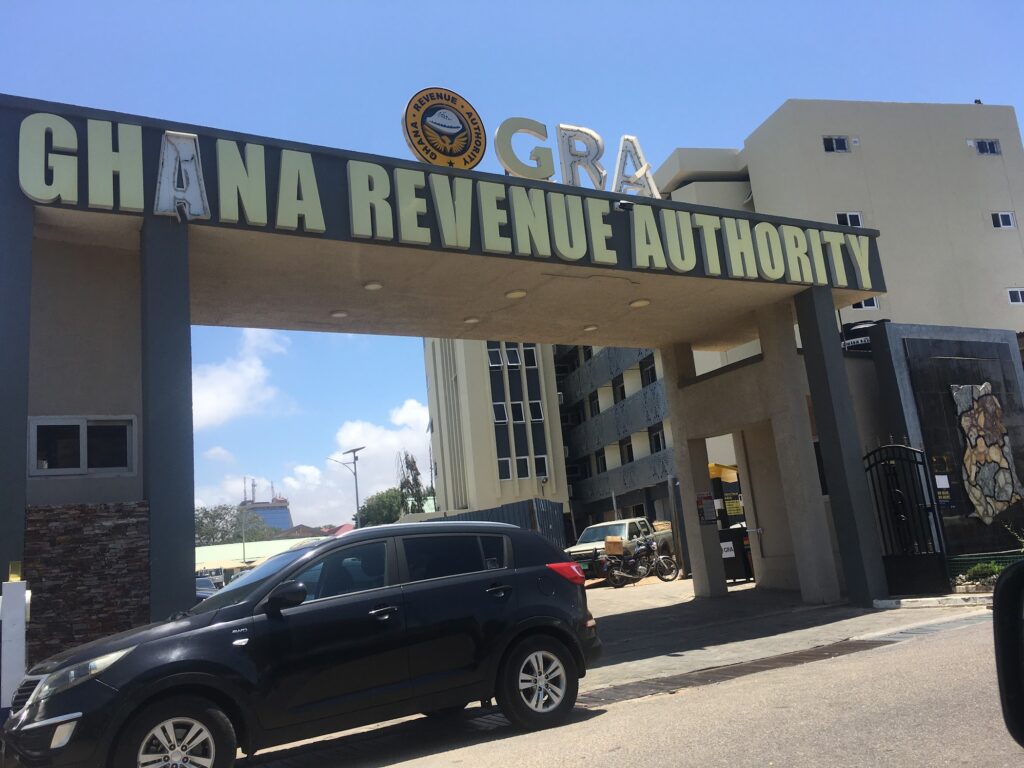
The Ghana Revenue Authority (GRA) has established a Sustained National Tax Education Program (SNTEP) to promote voluntary tax compliance and boost revenue collection.
Records show that revenue shortfalls have been a characteristic of the Ghanaian economy dating as far back as the 1970s. According to the Ministry of Finance data, governments’ budgets at the end of every financial year record a budget deficit.
The recurring budget deficits and the inability of successive governments to spend within the collected revenue require a drastic and effective approach. Available data shows that successive governments resorted to heavy borrowing to mitigate the shortfall in revenue.
However, the current Authority has structured a tax compliance program to widen the tax net while easing the process of tax collection through voluntary payments.
Events Leading to the Tax Compliance Initiative
The government of Ghana took two bold moves upon assuming office on January 7, 2025. First is to repeal six main tax laws through the House of Parliament, and the other is to embark on fiscal discipline while eliminating external borrowing. This was aimed at reducing the financial burden on citizens and businesses.
A 1% Electronic Transfer Levy (E-Levy), betting tax, emissions Levy, Value Added Tax (VAT) on motor vehicle insurance policies, the 1.5% withholding tax on unprocessed gold, and the COVID-19 levy are the key taxes repealed this year.
Both bold moves by the government – to protect the people of Ghana – created more shortfalls in revenue collection that need to be filled. The government, in collaboration with the Ghana Revenue Authority, proposed the tax compliance program, rather than additional taxes, to address the shortfalls.
GRA’s Tax Compliance Campaign
According to the GRA, the SNTEP is a national initiative aimed at continuous education and engagement of citizens on taxation from 2025 to 2028. The exercise is scheduled to “roll out in three phases — foundation (2025), expansion (2026–2027), and institutionalization (2028).” It is to ensure that a strong culture of voluntary compliance is built among Ghanaians.
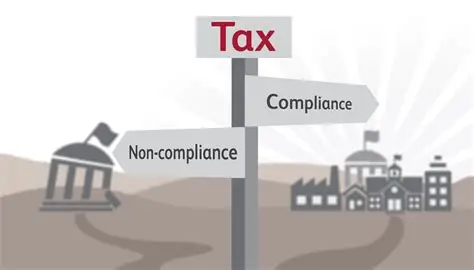
The objectives of the campaign are to increase taxpayer awareness, improve voluntary compliance, build tax morale and citizenship, enhance transparency and trust, and institutionalize tax education.
“Ghana faces low tax compliance, especially in the informal sector. Many citizens lack understanding of how taxes work and how they fund development. This program will bridge that knowledge gap.”
GRA
The nationwide operation will be championed by the GRA alongside other institutions and sectors to enhance efficiency. These key partners are spread across government, civil society, the informal sector, and the formal sector of the Ghanaian economy.
The government assured that the usual groanings that accompany tax paying, because citizens do not visualize what the tax is used for, will not be the case anymore. The education is to sensitize the public to their civic duties, while the government judiciously sponsors developmental projects like the Big Push projects and transformations in the agriculture, energy, and other real sectors.
The government again declared that all Ghanaians, including formal sector workers, investor communities, traders, Small and Medium Enterprises (SMEs), artisans, students, and the general public, will have a share in the national cake.
“The mass media, visits to schools, community outreaches, engagements, seminars, market storms, mobile vans, digital platforms, theme song, among other means, will be combined to yield the desired effective result,” GRA outlined. The Authority and the government urged all citizens and institutions to be welcoming and accommodating to teams that visit them.
“Via local-language radio shows, market durbars, drama performances, explainer videos, and peer educators such as market queens and leaders of trade associations, assembly men, opinion leaders, etc., will be engaged from the informal sector.”
GRA
According to the GRA, “education materials and broadcasts will be in English, Twi, Ga, Ewe, Dagbani, and Hausa to ensure understanding of key messages,” adding that “GRA will collaborate with the Ministry of Finance and CSOs to engage the public on tax collection and what taxes are used for.”
The GRA emphasized that “tax compliance is a civic duty and a cornerstone of national development that is expected to be voluntary but will be enforced if necessary.” GRA reiterated that their ultimate goal is to create “a tax-conscious country, where every citizen has knowledge and understanding, values, and fulfills their civic duty by contributing to national development.”
The many projects and initiatives of the government require revenue. The fiscal discipline and prudence of the Minister of Finance is living proof that the revenue resources will be channeled to the right places, avoiding waste and leakages, the tax authorities assured.
READ ALSO: Non-Tax Revenue to Drive Growth as Gov’t Makes Profit in September