
Paul Elikplim Bleboo, the Head of Gold Management at the Bank of Ghana (BoG), has disclosed that the central bank has successfully negotiated a significant reduction in off-take discounts under the Domestic Gold Purchase Programme (DGPP), moving the rate from the industry standard of 2% down to a competitive 1%.
This strategic adjustment is designed to minimize the “total cost of the programme” while ensuring that the central bank continues to accumulate critical gold reserves at a more sustainable price point.
By slashing this fee, the BoG aims to maximize the value retained from every ounce of locally produced gold, effectively increasing the net returns that bolster the nation’s foreign exchange buffers.
“Off-take discount per the industry practise is around 2%, you know. But when we started the domestic gold purchase programme (DGPP), we have reduced it from that 2% to currently 1%. 1% of what? 1% of the price of the gold.”
Paul Elikplim Bleboo
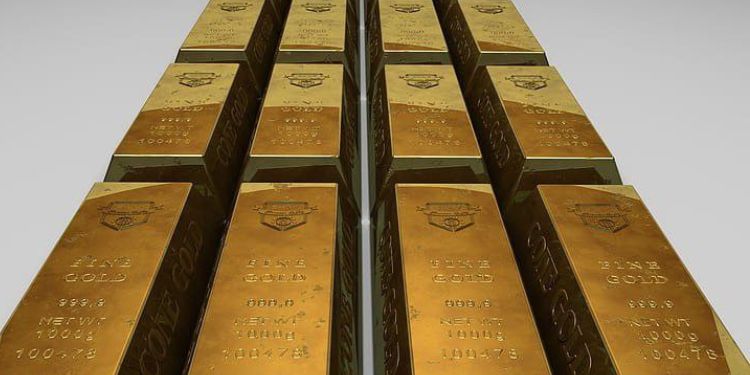
Mr. Bleboo explained that when gold is purchased in its raw or “doré form,” it must undergo rigorous processes to reach the 95–99% purity required for international sale.
Consequently, the buyer or “off-taker” must be compensated for the diverse liabilities they inherit, including refining charges, insurance, and the logistical fees associated with transporting the bullion to international refineries.
Since these transactions occur within Ghana, the off-taker bears the initial burden of these costs, making the off-take discount a necessary “itemised cost” in the gold value chain.
The Role of GoldBod and Assay Fees
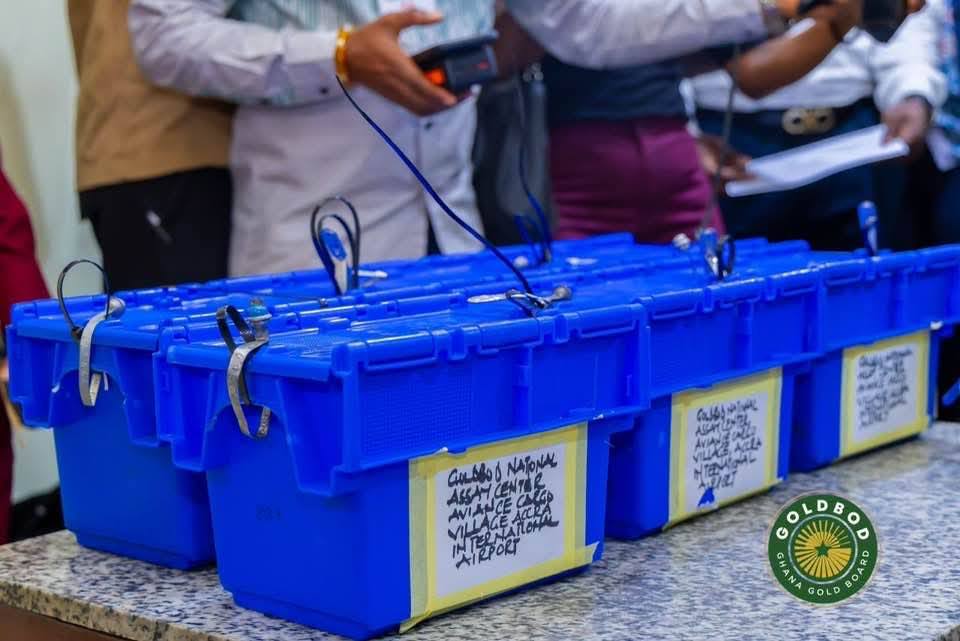
Beyond the off-take discount, the programme integrates a strict regulatory framework led by the Ghana Gold Board (GoldBod), which serves as the national assayer.
He also noted that every gram of gold slated for export must pass through GoldBod or thePMMC to verify its purity level, a service for which an “assay fee” is charged.
This mandatory process ensures that the central bank is paying for the exact gold content within the doré bars, protecting the integrity of the nation’s reserves.

By itemizing these costs from the off-take discount to the assaying fees the Bank of Ghana maintains a transparent ledger that reflects the true market value of its holdings.
Strategic Benefits to the Ghanaian Economy
The move to halve the off-take discount is a masterstroke in domestic resource mobilization, specifically aimed at “leveraging Ghana’s gold endowment” to stabilize the local currency.
By reducing the cost of acquisition, the Bank of Ghana can more efficiently convert the Ghana Cedi into a hard-asset reserve, providing a natural hedge against the volatility of the US Dollar.
Furthermore, this 1% discount allows the BoG to remain a competitive buyer against informal exporters, effectively curbing “gold smuggling” and ensuring that the wealth generated from the artisanal and small-scale mining (ASM) sector remains within the formal banking system.
Through the DGPP, the central bank has already seen a historic surge in its holdings, which strengthens the country’s balance sheet and enhances investor confidence.
As the BoG continues to refine these cost structures, the cumulative savings from the reduced off-take discounts are expected to provide the fiscal space needed to fund critical imports without depleting liquid foreign exchange.
Ultimately, this policy ensures that Ghana no longer simply exports its raw wealth but strategically manages it to “foster shared economic growth” and long-term macroeconomic stability.
READ ALSO: Plan to Construct 1200MW Power Plant Underway – President Mahama