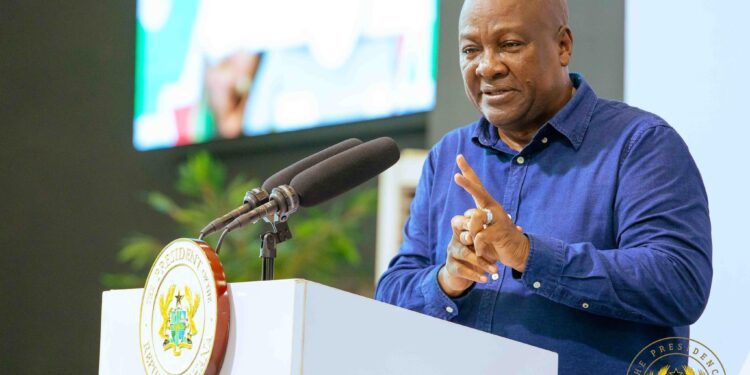
President John Dramani Mahama has announced that the government is set to commence the construction of a 1200 megawatt electricity generation plant as part of efforts to expand Ghana’s energy capacity.
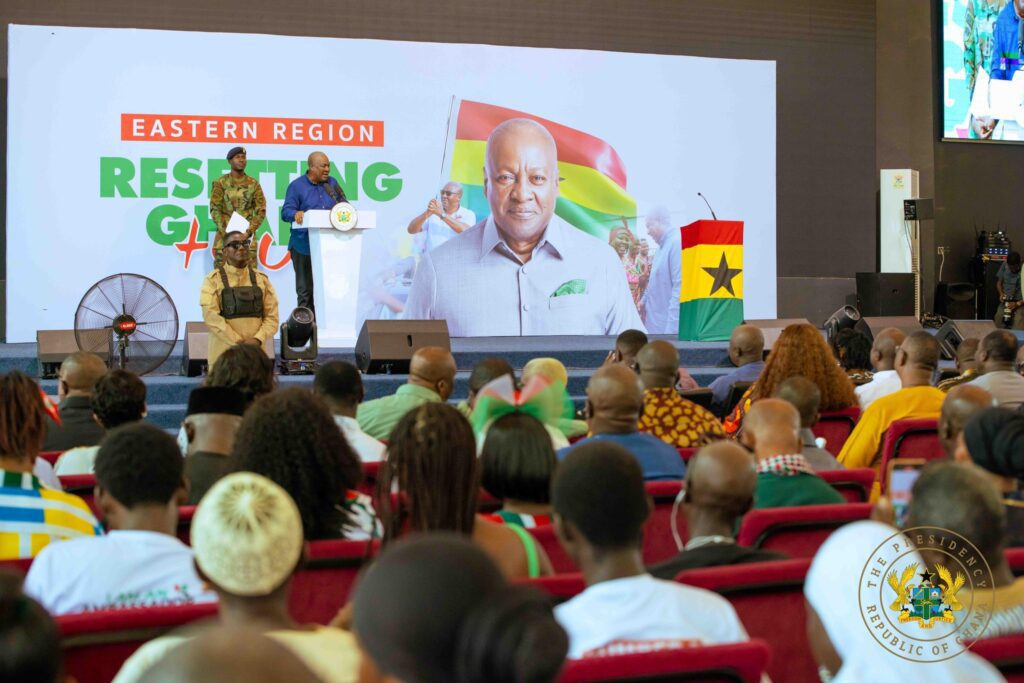
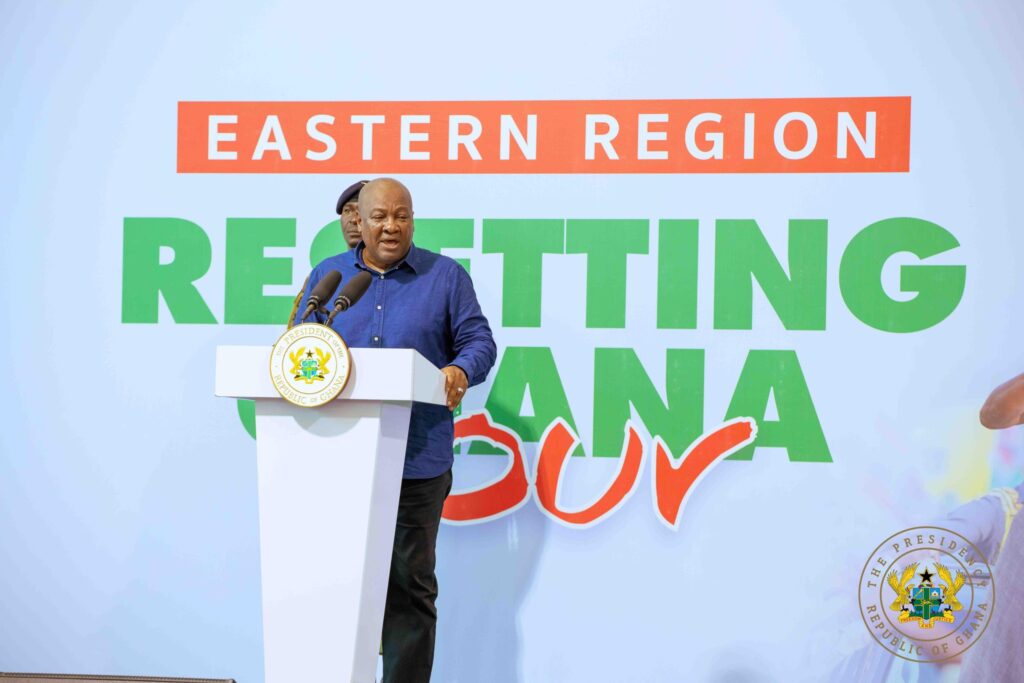
The President made this known during the Resetting Ghana Citizen Engagement on May 2, where he highlighted the increasing demand for electricity driven by economic growth and investment.
He explained that Ghana’s peak electricity consumption has risen significantly in recent years. According to him, demand has increased from about 3500 megawatts to approximately 4300 megawatts, reflecting heightened industrial activity and expansion across sectors.
This growth, he noted, underscores the urgent need to strengthen the country’s power generation capacity to maintain stability.
Ensuring Redundancy and Stability
President Mahama emphasised that the new power plant is part of a broader strategy to ensure redundancy within the national electricity system. By increasing generation capacity, the government aims to create a buffer that can absorb shocks and prevent supply disruptions.
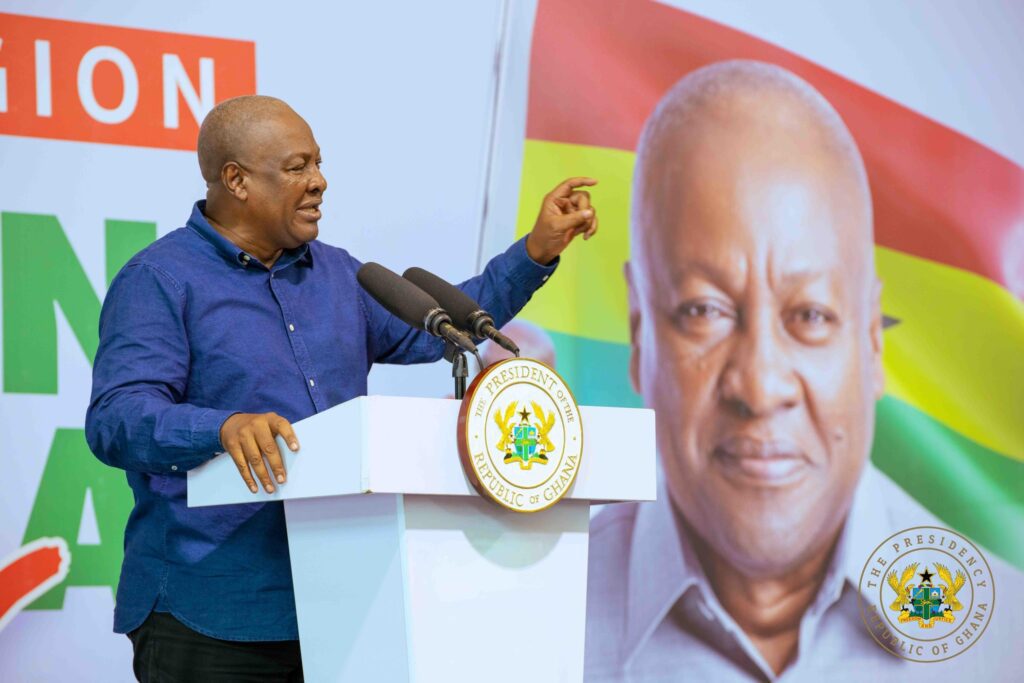
He stated that a reliable power system is critical for sustaining economic growth and supporting businesses. The addition of the new plant will help reduce the risk of outages, particularly during periods of peak demand, and improve overall system resilience.
The President also noted that the Ministry of Energy and Green Transition and the Ministry of Finance have already developed a roadmap for the project.
This coordinated approach is expected to guide the implementation process and ensure that the project aligns with national development priorities. “By God’s grace, this year we will cut sod for its commencement,” President Mahama said.
Project Details and Strategic Importance
Further details from the 2026 Budget Statement presented by Finance Minister Dr Cassiel Ato Forson indicate that the proposed plant will be state-owned and gas-fired. With a capacity of 1200 megawatts, it is expected to become one of the largest power generation facilities in Ghana, surpassing the Akosombo Hydroelectric Dam.
The plant will rely on domestic natural gas, including supplies from the Offshore Cape Three Points and Jubilee partners. This shift toward gas is expected to reduce the cost of power generation significantly compared to reliance on light crude oil.
Officials estimate that the use of domestic gas could lower electricity generation costs by as much as seventy five percent. This reduction is expected to ease financial pressure on the energy sector while making electricity more affordable for consumers.
Supporting Economic Growth and Industry
The project is closely tied to the government’s broader economic agenda, including the promotion of a 24-hour economy. Stable and affordable electricity is essential for industries operating extended hours, particularly in manufacturing and services.
President Mahama indicated that the new plant will provide the energy needed to support continuous production and attract further investment. By ensuring a steady power supply, the government aims to create an enabling environment for businesses to grow and expand.
In addition, the increased capacity will allow Ghana to generate surplus electricity, which can be exported to neighbouring countries such as Burkina Faso. This presents an opportunity to earn foreign exchange and strengthen the country’s position within the regional energy market.
Infrastructure Integration and Challenges
The development of the plant is expected to complement other key infrastructure projects within the energy sector. Notably, it is linked to the expansion of gas processing capacity through the Ghana Gas Processing Plant 2 project, which will supply the fuel required for generation.
However, energy experts have raised concerns about the pace of implementation. Although construction is scheduled to begin in 2026, progress has been relatively slow in the early part of the year. Analysts have therefore urged the government to accelerate preparations to meet growing demand.
Despite these concerns, President Mahama reaffirmed his commitment to the project, stating that the government remains focused on delivering it. He emphasised that the initiative is critical to building a resilient energy system capable of supporting long term development.
Strengthening Energy Security
The proposed plant represents a significant step toward enhancing Ghana’s energy security. By diversifying energy sources and increasing capacity, the government aims to reduce dependence on hydropower, which is often affected by seasonal rainfall patterns.
The President noted that a balanced energy mix is essential for ensuring consistent supply. The addition of thermal generation capacity will provide greater stability and reduce the risk of shortages during periods of low water levels.
As Ghana continues to expand its industrial base, the importance of reliable electricity cannot be overstated. The new plant is expected to play a central role in meeting future demand and supporting economic transformation.
President Mahama’s announcement signals a strong commitment to addressing Ghana’s energy challenges through strategic investment. The planned 1200 megawatt power plant is expected to boost generation capacity, improve reliability, and support industrial growth. As preparations continue, attention will remain on ensuring timely execution and maximising the benefits of this major infrastructure project.
READ ALSO: Fitch Solutions Cuts Ghana Growth Forecast, Warns Of Tougher 2026