Nigeria’s oil production is expected to record a modest recovery in 2026, supported by improvements in pipeline infrastructure, midstream efficiency, and incremental additions from smaller producing fields.
This outlook is contained in a new report by BMI, a Fitch Solutions company, titled “Rebound in Domestic Demand Will Drive Nigerian Economy in 2026.”
The report highlights that Nigeria’s crude output, which fell to historic lows in 2022 due to pipeline vandalism, oil theft, and chronic underinvestment, has begun to stabilise and is positioned for slight growth next year.
“Our oil & gas team forecasts total liquid hydrocarbons output to average 1.73 million barrels per day in 2026, up 1.9 per cent from 1.70 million bpd in 2025 and above the official OPEC production quota of 1.50 million b/d.”
BMI Fitch Solutions report
The think tank believes the incremental gains will stem primarily from midstream infrastructure upgrades, efforts to remove bottlenecks in transmission networks, and output boosts from smaller producing assets.
However, the gains are expected to remain “limited by a lack of major new projects and continued, albeit reduced, levels of theft and vandalism.”
Export Gains to Be Offset by Rising Imports



Despite the projected uptick in oil production, the BMI outlook suggests that Nigeria’s net export gains will be constrained by rising import levels.
As inflation cools and borrowing costs fall, BMI anticipates a rebound in consumer and industrial demand, which in turn will fuel higher imports of goods and equipment needed to support economic recovery.
The report notes that Nigeria’s limited domestic manufacturing base will force the country to rely on foreign goods to meet rising demand. It stated that “much of the export gains, however, will be offset by rising imports.”
BMI further pointed out that the Dangote Refinery, which has significantly reduced the country’s dependence on imported fuel, will increasingly draw crude feedstock from domestic producers.
While this strengthens fuel security and foreign exchange stability, it also reduces the volumes available for crude oil exports, essentially “placing a ceiling” on export capacity.
“As a result, we expect net exports to contribute just 0.7pp to headline growth in 2026, a sharp decline from 3.2pp in 2025.”
BMI Fitch Solutions report
One of the key constraints highlighted in the report is the absence of new large-scale oil projects coming onstream before 2028.
Several deepwater developments remain stalled due to regulatory uncertainties and investment delays, leaving Nigeria unable to offset natural declines from ageing infrastructure.
BMI warns that this production stagnation will “weigh on Nigeria’s export performance in 2027,” especially as existing fields continue to mature and require more intensive maintenance.
Major Risks to Nigeria’s 2026 Oil Outlook
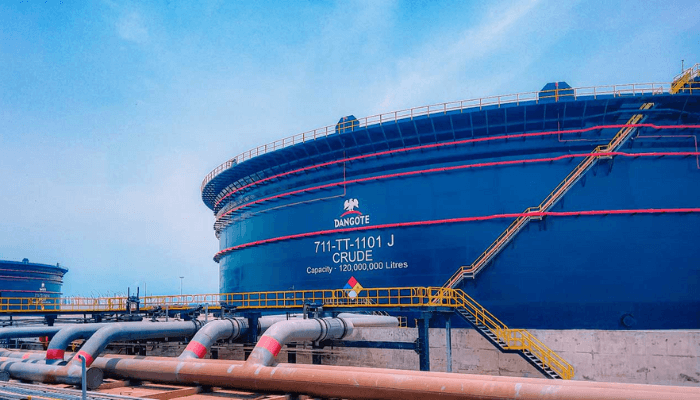
The report highlights three major downside risks that could threaten Nigeria’s anticipated economic rebound in 2026, beginning with potential disruptions at the Dangote Refinery. As a critical driver of reduced fuel imports and improved foreign exchange liquidity, the refinery has become central to Nigeria’s stabilisation efforts.
“Any operational delays or disruptions would keep fuel imports higher-than-expected, worsening FX pressures and inflation, which would dampen Nigeria’s growth outlook.”
BMI Fitch Solutions report
Rising insecurity also poses a significant threat to economic stability. The security situation deteriorated sharply in 2025, marked by a surge in kidnappings, attacks on rural communities and renewed threats to oil infrastructure.
According to BMI, worsening insecurity would “disrupt agricultural output and oil production, two key growth drivers,” while discouraging investment and compelling the government to divert additional funds toward security operations.
The report further warns of the economic implications of mounting diplomatic tensions with the United States. Relations between Abuja and Washington grew strained after remarks by U.S. President Donald Trump alleging unsubstantiated religious persecution in Nigeria.
BMI stressed that “if US–Nigeria relations worsen in 2026, Washington could resort to economic measures, such as higher tariffs or sanctions.”
Such actions would undermine Nigeria’s oil exports, reduce access to U.S. markets and damage investor confidence, collectively posing a significant risk to the country’s growth prospects.
The outlook suggests that while Nigeria’s oil sector will show signs of stability in 2026, the recovery remains fragile and heavily dependent on infrastructure resilience, security improvements, and global diplomatic dynamics.
READ ALSO: Trump Administration Rolls Back Biden Fuel Rules, Citing $109bn Savings