Fidelity Bank Ghana is positioning itself at the heart of Ghana’s next phase of economic expansion by advancing sustainability, technology and youth-focused innovation.
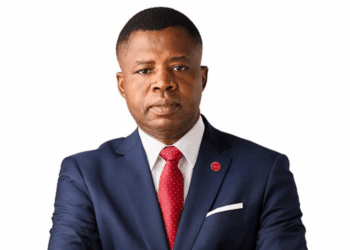
According to the Managing Director of Fidelity Bank Ghana, Julian Opuni, the country’s improving macroeconomic outlook presents a renewed opportunity for transformative investments that could shape Ghana’s financial and productive sectors in 2026 and beyond.
Mr Opuni outlined how Fidelity Bank is driving sustainable progress through targeted growth pillars such as ESG, agriculture, digital innovation and SME development.
Mr Opuni believes Ghana’s strengthening economy provides fertile ground for growth across multiple sectors. He stated that “Ghana’s improving macroeconomic outlook should drive progress across sectors, fostering stronger conditions for investment and business growth.” With GDP expected to rise in the coming year, he stressed that the moment is ideal for investors to deploy capital strategically across industries that have shown resilience and potential.
He pointed to four key growth drivers for 2026: SMEs, agriculture, sustainable extractives and regional trade. These areas, he explained, are positioned to offer both domestic and foreign investors new avenues for returns while supporting nationwide development.
SMEs at the Core of Inclusive Growth
A significant part of Fidelity Bank’s strategy revolves around expanding support for small and medium enterprises. Mr Opuni described SMEs as central to Ghana’s economic engine. He noted that “SMEs form the backbone of Ghana’s economy, contributing to employment, innovation, and local value.”


Fidelity Bank has been active in strengthening this ecosystem by creating partnerships and initiatives that improve access to finance and technical support. Mr Opuni highlighted collaborations with the Mastercard Foundation and Proxtera as key interventions that “have enabled better access to capital and technical support for high-potential businesses, offering scalable and diversified opportunities for investors.”
By providing a combination of financing, advisory services and strategic partnerships, the bank is helping SMEs build capacity, scale operations and attract investment that aligns with both national priorities and global market expectations.
Agriculture and Agri-Processing as Growth Catalysts
Mr Opuni also stressed the importance of agricultural transformation in driving long-term growth. He emphasised the potential of agri-processing in particular, stating that “we view this sector as essential to food security, job creation, and foreign exchange generation.”
Fidelity Bank supports this sector through targeted financing, partnerships and community-based initiatives.
“Agriculture, especially horticulture and agri-processing, holds major potential. Our work with FAGE, the Export Club, and initiatives like Bridge in Agric, which has disbursed over GH¢145 million, is helping to formalise and grow the sector.”
Julian Opuni
He added that government programmes such as Feed Ghana are making the agricultural space more structured, predictable and attractive for investment. These interventions, combined with the bank’s sustainability-driven approach, are preparing the sector for accelerated growth and increased export competitiveness.
Digital Innovation as a Driver of Financial Inclusion
One of Fidelity Bank’s strongest growth pillars is digital transformation. Mr Opuni explained that the bank is leveraging technology to increase operational efficiency, deepen customer engagement and expand financial inclusion. “At Fidelity Bank, digital innovation drives both internal transformation and external growth; key pillars of a future-ready institution,” he said.
The bank has strengthened its digital ecosystem through automation, platform upgrades and customer-friendly tools. “We’re using automation to streamline operations, reduce costs, and improve speed,” Mr Opuni noted. Upgrades to Fidelity’s Mobile App, USSD platforms and the introduction of Kukua, the bank’s WhatsApp banking assistant, have significantly boosted transaction volumes and customer activity.
Beyond traditional banking transformation, Fidelity is collaborating with fintech companies to close credit access gaps for underserved businesses. “We’re also co-developing tools with fintechs that go beyond traditional banking, like cash-flow-based lending and behavioural credit scoring,” he explained. These innovations are unlocking opportunities for embedded finance and supporting the emergence of a more inclusive financial system.
ESG, GreenTech and Youth Innovation as the New Growth Frontier
According to Mr Opuni, global investment flows are increasingly shifting towards sustainability and impact-driven ventures. In response, Fidelity Bank has structured its ESG strategy around key development and commercial needs. “Fidelity’s sustainability strategy is built around three pillars: Sustainable Finance, Sustainable Operations and CSR,” he said.

The bank is focusing on high-potential segments such as agriculture, renewable energy and youth-led enterprises. Initiatives such as the GreenTech Innovation Challenge and the Fidelity Young Entrepreneurs initiative demonstrate the bank’s commitment to supporting businesses that are “scalable and aligned with both commercial and impact investor goals.”
These programmes are helping young innovators access mentorship, funding and market opportunities, while also strengthening Ghana’s transition toward sustainable economic development.
Mr Opuni reiterated that Fidelity Bank’s role extends beyond financing. The bank has become a partner to businesses across Ghana, helping them access advisory services, technical expertise and blended capital solutions. “In all these areas, Fidelity acts not just as a financier but as a partner, connecting SMEs with advisory support, technical expertise, and blended capital,” he said.
As Ghana prepares for a stronger economic phase in 2026, Fidelity Bank aims to continue shaping the country’s future by supporting sectors that drive national growth and global competitiveness.
READ ALSO:Zelenskyy To Hold Peace Talks With British, French and German Leaders