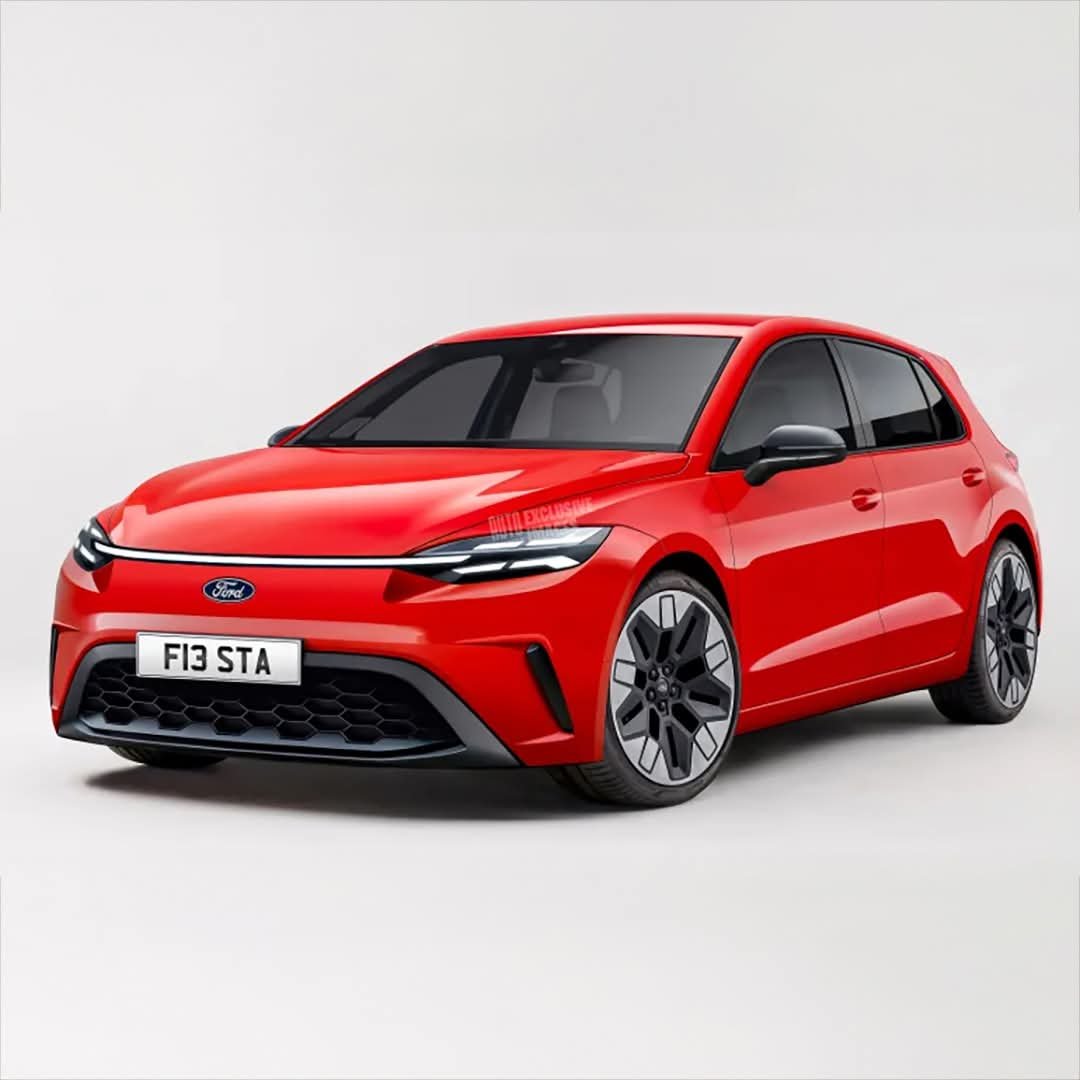
Ford and Renault have entered a groundbreaking electric-vehicle (EV) technology partnership that will pave the way for a reborn Fiesta, this time fully electric, to reshape the future of small EVs in Europe and potentially revive one of Ford’s most iconic nameplates
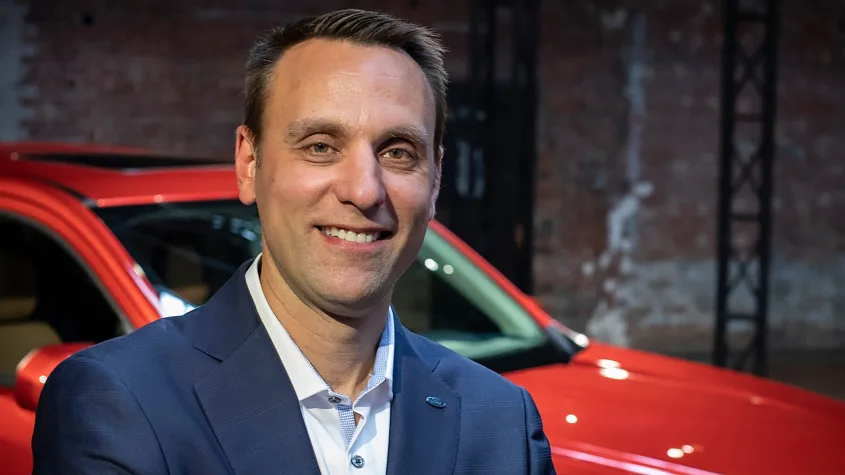
Ford insists the vehicle will not simply be a rebadged Renault. Jim Baumbick, Ford of Europe’s President, assured that the new models will have their own identities.
“We’re very confident that we can completely differentiate the customer offering.
“Ford will lead on the development of the design and things like the ride, steering, handling and braking to inject the uniquely Ford DNA, to support our brand positioning.”
Jim Baumbick, Ford of Europe’s President
He disclosed that the initial designs have already been presented to major dealers and stakeholders, who have expressed support for the EV revival.
The two companies on Tuesday, 9 December, confirmed a strategic alliance that allows Ford to adopt Renault’s Ampere electric-car platform, technology already underpinning the Renault 5 E-Tech, Renault 4, Alpine A290 and the forthcoming Twingo EV.
The first Ford-branded car from this collaboration will reach showrooms in early 2028, marking a major shift in Ford’s small-car strategy after phasing out the Fiesta in 2023.


Under the deal, Ford will use Renault’s battery and motor technologies, significantly reducing development time and gaining the scale required to compete in Europe’s rapidly expanding compact EV segment.
The Renault 5, one of the Ampere platform’s flagship models, hints at the potential specifications of a future Fiesta EV. It comes with 40kWh and 52kWh battery options, the latter delivering up to 252 miles of range and powering a 148bhp motor capable of hitting 0–62mph in under eight seconds.
Production Set for France as Ford Seeks Speed and Scale
As part of the deal, Ford’s new compact EVs will be built in Renault’s ElectriCity industrial hub in northern France, an arrangement that highlights the partnership’s strategic goal of accelerating development and reducing manufacturing costs.
Renault’s rapid engineering capabilities, including its new design centre in China, have impressed Ford. Renault developed the new 2026 Twingo in under two years, a pace Ford hopes to emulate. Ford CEO Jim Farley said the partnership is crucial to Ford’s European future.
“We will combine Renault Group’s industrial scale and EV assets with Ford’s iconic design and driving dynamics to create vehicles that are fun, capable, and distinctly Ford in spirit.”
Ford CEO Jim Farley
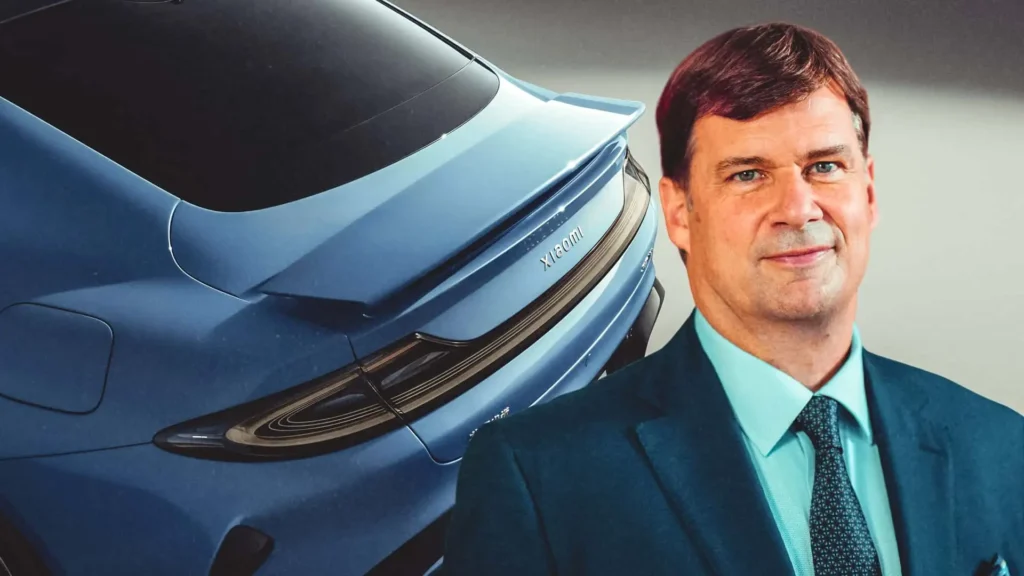
Renault Group CEO François Provost described the collaboration as a powerful demonstration of the company’s competitiveness and technological leadership.
“Combining our strengths with Ford will make us more innovative and more responsive in a fast-changing European automotive market.”
Renault Group CEO François Provost
One of the most exciting possibilities emerging from the deal is the potential return of the Fiesta ST badge—this time as a high-performance EV. With the Alpine A290 platform capable of producing up to 217bhp, a performance-oriented Fiesta EV is no longer a distant dream.
Baumbick hinted strongly at this direction. “Look at how we’ve evolved the global portfolio: we are leaning into enthusiast products and passion products,” he said. “Ford is at its best when we connect with customers at an emotional level.”
Second Ford EV Likely, But Not a New Focus
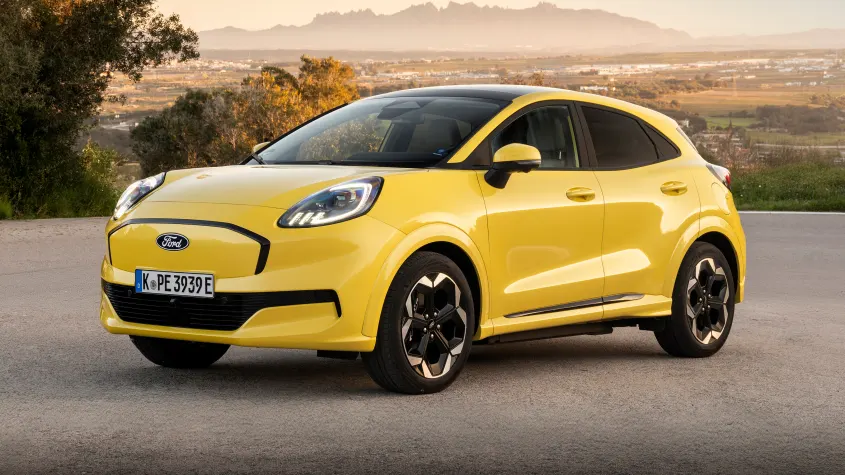
While the deal involves two EVs, Baumbick clarified that the platform is intended only for B-segment compact vehicles. This means the second model will not revive the recently discontinued Ford Focus, nor replace the Puma Gen-E, which Ford produces in Romania.
Instead, Ford may introduce a new baby SUV or a modernised version of the Ford Ka, likely based on the upcoming Renault Twingo successor.
The automaker is already using Volkswagen’s MEB platform for its larger C-segment EVs, including the electric Ford Explorer and Capri, making a Focus-sized EV under the Renault deal improbable.
Ford and Renault have also signed a letter of intent to explore cooperation in light commercial vehicles (LCVs). With Ford’s dominance in the van market and Renault’s growing EV expertise, analysts see strong potential for expanded collaboration.
As automakers race to cut costs and meet Europe’s tightening emissions rules, the Ford-Renault alliance signals a new era of joint development, scalability, and rapid EV deployment, while promising to bring back a beloved model in electrified form.
READ ALSO: GSE Indices Fight Back as Composite and Financial Stocks Hit Fresh Highs for December