The Minority in parliament has urged the government to prioritize the interest of the country in the renegotiation and consultation process of the Atlantic Lithium Agreement.
The call was made in response to the government’s move to withdraw the Atlantic Lithium Agreement Bill from Parliament for renegotiation and broader consultation.
The move to withdraw the Bill from Parliament however, was met with measured commendation by the Minority, coupled with a strong call to ensure the revised deal secures maximum long-term value for the country.
This withdrawal represents a significant, albeit late, acknowledgment that the initially presented terms for the exploitation of the Ewoyaa lithium resource were deeply flawed and politically contentious, reflecting widespread civil society and opposition concerns.
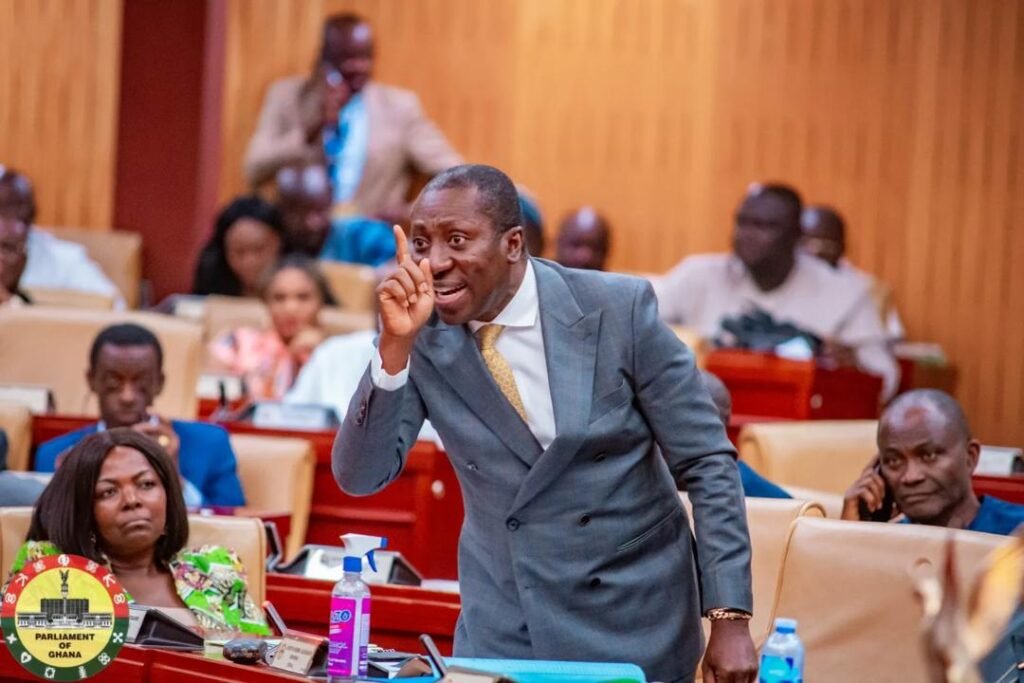
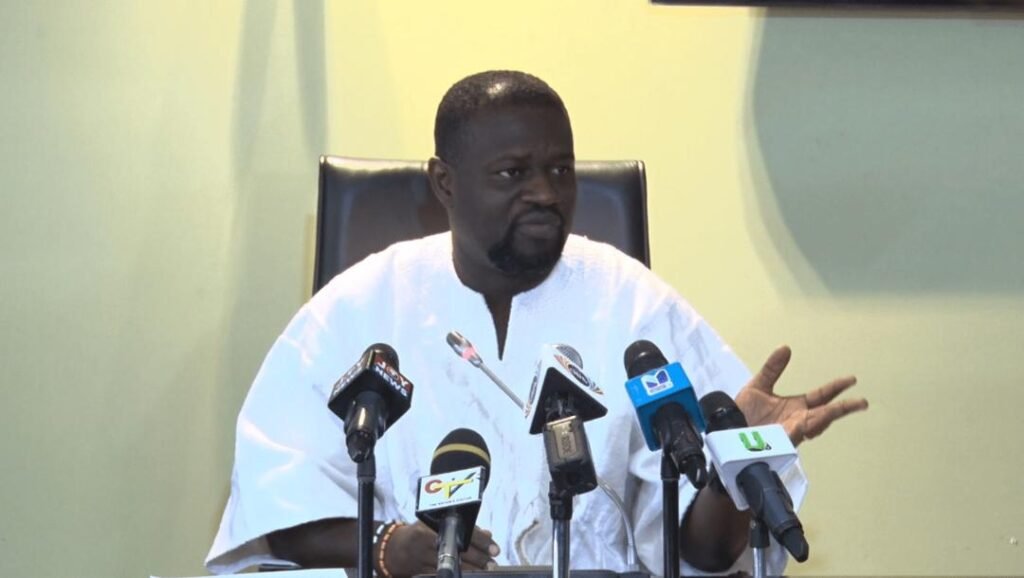
The Minority Chief Whip, Hon. Frank Annoh Dompreh speaking on behalf of the caucus, emphasized the need for a fundamental shift in approach, cautioning against allowing this critical green mineral to become another “resource curse” in Ghana’s history.
“If we are withdrawing this agreement, we should be looking at how we can transition to ensure that we as a country can benefit highly from this lithium. It doesn’t become a resource curse in this country. So, in the context of your research, when you are bringing it back, we want to see these things find expression.”
Hon. Frank Annoh Dompreh
Hon. Annoh Dompreh also added that “Ghana after the independence, our per capita income was the same as Indonesia. Indonesia has 10 round lithium. Now lithium constitutes about 70% of the accessories of renewable energy, i.e. solar panels and all that”


Imperative of Value Addition and Industrial Transition
The core of the Minority’s argument pivots on domestic value addition, transcending the traditional extractive model of merely exporting raw ore.
Hon. Annoh Dompreh drew a powerful historical comparison, pointing out that Ghana’s per capita income was once comparable to Indonesia’s post-independence.
Indonesia, a nation with significant natural resources, has since successfully implemented policies to ban the export of raw materials like nickel, forcing in-country processing and securing a dominant position in the electric vehicle battery supply chain.
The Minority Chief Whip directly linked Ghana’s new Ministry of Energy and Green Transition to this industrial imperative.
Lithium, being a critical component, constituting about 70% of renewable energy accessories such as solar panels and essential for modern accessories like mobile phone batteries, necessitates a strategic approach. This renegotiation period must, therefore, find “expression” for local processing.
The benefits of this approach are manifold: it creates higher-value jobs for Ghanaians, stimulates local industries, and substantially increases the state’s revenue through more diversified profit-based taxes rather than relying solely on production-based royalties.
Initial agreements were criticized for failing to secure concrete commitments to build refining or processing plants, a step IMANI Africa modeling suggested would only be economically viable if the government incentivized or co-developed at least three mines, a commitment yet to be made.
Ghana’s future fiscal take must be insulated from volatile global commodity prices, such as the dramatic collapse lithium prices experienced from their 2022 peak to under $1,000 per tonne in 2024.
Leveraging the Political Victory for Stronger Terms
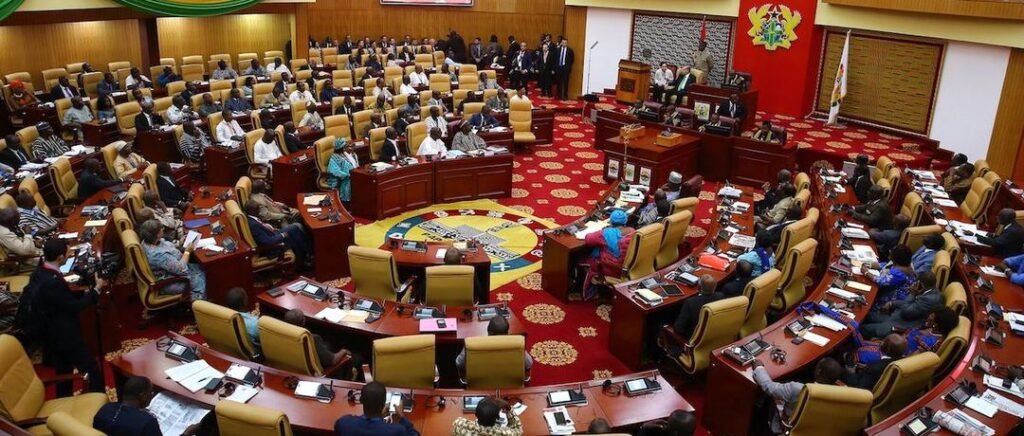
The Minority’s persistent advocacy for a better deal a firm stance against what they saw as a giveaway of a strategic “green mineral” led to this withdrawal, demonstrating the power of parliamentary scrutiny and civil society engagement.
The renegotiation is a unique opportunity to embed adaptive clauses, ensuring Ghana benefits from future price surges and technological shifts.
This includes potentially introducing a variable or sliding-scale royalty structure, a practice seen in other resource-rich jurisdictions, which would adjust the government’s take upwards when market prices exceed a certain threshold.
Furthermore, the final agreement must mandate concrete commitments to establishing downstream processing, potentially setting time-bound targets and providing penalties for non-compliance.
Resource Nationalism as the Way Forward
The ultimate benefit of this withdrawal is the chance to define Ghana’s green minerals policy not by historical precedents of resource exploitation, but by a forward-looking vision of resource nationalism and industrialization.
The new agreement should secure Ghana’s “rightful share of value across the lithium supply chain,” as urged by policy experts.
The Minority’s position, rooted in the idea of preventing the “resource curse,” champions a model where mineral wealth is a catalyst for economic transformation, job creation, and technological advancement, rather than simply a source of export revenue for primary commodities.
This is crucial for a country aiming to diversify its economy and integrate into the global clean energy manufacturing ecosystem.
READ MORE: NAGRAT Gives Government 14 Days to Act on Kade SHTS Assault Before Strike Action