Ghana Chamber of Mines has initiated a critical dialogue by calling for a comprehensive regulatory framework to govern the proposed mandatory Corporate Social Investment (CSI) contributions from mining companies.
This move signals a proactive stance by the Chamber to institutionalize the sector’s commitment to host-community development, moving beyond the current voluntary policy.
Member companies presently commit a minimum of US$1 per ounce of gold earned and one per cent of net profit toward community development projects.
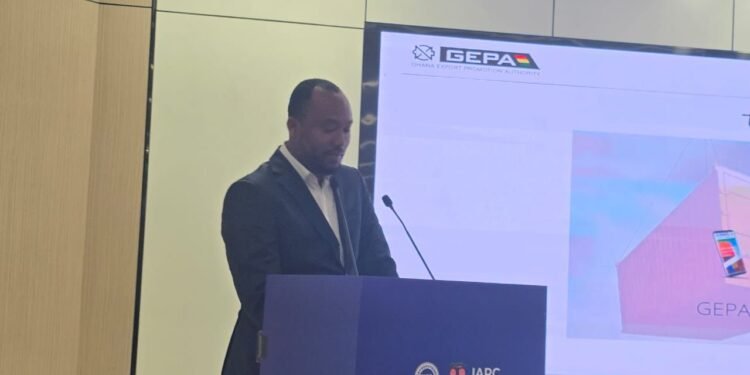
According to the Chamber’s Chief Operating Officer, Mr. Ahmed Dasana Nantogman, the framework is needed to ensure effective fund utilization.
“If Ghanaians agree to a mandatory one per cent contribution, a clear framework would be needed to ensure the funds were used effectively.”
Mr. Ahmed Dasana Nantogman
However, the Chamber emphasizes that the effectiveness of this significant financial commitment hinges entirely on the establishment of proper structures for fund management and distribution to prevent potential pitfalls.
This push for a legal framework comes as the mining industry seeks to elevate its image and societal impact, as highlighted during a recent training for editors and senior reporters organized by the Ghana News Agency in partnership with the Association of China-Ghana Mining LBG.


The Chamber’s intention is to transition the current system, where companies independently manage and prioritize their CSI budgets, into a regulated process backed by a definitive law.
This evolution is deemed essential to eliminate inconsistencies in community benefits that arise from the ad-hoc nature of the current voluntary model, thereby ensuring that the mandatory contributions are used effectively and sustainably.
CSI Mandatory Contribution: The Governance Imperative

The core challenge identified by the Chamber lies not in the commitment of funds but in their governance. The current voluntary arrangement, while fostering sustained CSI over the last decade and gradually reshaping how Ghana’s mineral wealth is shared, inherently lacks standardization, leading to disparities in benefits across host communities.
According to Mr. Ahmed Dasana Nantogman, key questions surrounding the mandatory one per cent payment specifically, where the money goes, who controls it, who runs it, who the trustees are, and where it should be invested remain unanswered in the absence of a legal framework. This void creates a vulnerability for the system to be compromised by “elite capture and weak transparency,” a risk the Chamber is keen to mitigate.
The call for a framework is thus a strategic attempt to fortify the sector’s social license to operate and ensure long-term viability.
Nantogman warned against a scenario where the funds “go into a pool, and then some stronger people will come and take it without any record.”
He stressed that mechanisms must be implemented in ways that communities perceive as fair, transparent, and developmental.
Proper targeting and oversight, a direct benefit of a structured regulatory system, would address community needs for infrastructure, education, health, and livelihood projects more effectively than the present voluntary model.
This shift from discretionary spending to a standardized, regulated process is expected to inject a new level of accountability and predictability into mining-community relations.
Impact on Ghana’s Mining Industry and Community Development

The institutionalization of mandatory CSI, guided by a robust framework, is poised to have a transformative impact on Ghana’s mining sector and its host communities.
Firstly, a clear framework will significantly enhance the social license to operate (SLO) for mining companies.
By creating a transparent and accountable mechanism for benefit sharing, it will directly address one of the primary drivers of conflict between mining companies and local populations: the perception that the social and environmental costs of mining outweigh the community benefits.
This reduction in social tension is crucial for maintaining operational stability and attracting continued foreign direct investment (FDI).
Secondly, the mandatory contribution system, if managed effectively by independent trustees with community representation, can guarantee a sustainable and equitable flow of development capital.
This contrasts sharply with the current system, which can result in “inconsistencies in community benefits” as companies’ priorities change.
The guaranteed one per cent of net profit and US$1 per ounce of gold will create a substantial, dedicated funding source for long-term community projects, such as vocational training centres, hospitals, and major water projects, shifting the focus from sporadic charity to structural, livelihood-empowering development.
The impact on the national economy will also be notable, as the mandatory CSI, by facilitating harmonious community relations and ensuring project continuity, will contribute to the steady growth of the industrial sector and the continued generation of foreign exchange earnings through mineral exports.
Ultimately, the Chamber’s proactive pursuit of a regulatory backbone for CSI is a timely and necessary step to ensure that Ghana’s mineral wealth translates into tangible, equitable, and sustainable development for the communities that bear the direct costs of extraction.
READ ALSO : Fitch Divulges Principal Vulnerabilities to Ghana’s Economy in 2026