Ghana’s economic reform agenda has entered a renewed phase following the conclusion of a four-day technical assistance mission by the International Monetary Fund in Accra.
The mission focused on supporting the country’s implementation of key governance reforms outlined in the IMF’s Governance Diagnostic Report, a comprehensive assessment of governance and corruption-related vulnerabilities within the Ghanaian economy. The visit underscores the Fund’s continued engagement with Ghana as it works to stabilise the economy and strengthen public sector institutions under the Extended Credit Facility programme.
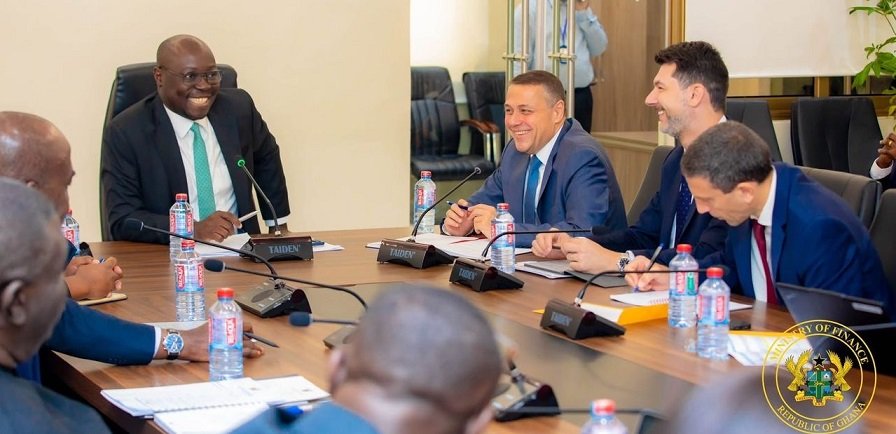
Led by Ms. Tina Burjaliani, alongside Mr. Gomiluk Otokwala and Ms. Nusula Nassuna, the IMF delegation undertook the mission at the request of the Ghanaian authorities. Their engagement reflects growing urgency around translating reform commitments into concrete actions capable of improving economic efficiency, restoring confidence, and sustaining macroeconomic stability.
Governance at the Heart of Economic Recovery
The Governance Diagnostic Report represents a critical pillar of Ghana’s economic restructuring efforts. It provides an in depth examination of weaknesses in governance systems that have historically constrained fiscal discipline, revenue mobilisation, and public sector accountability. These vulnerabilities have had far reaching implications for economic performance, particularly in periods of fiscal stress and rising public debt.
Central to the report are priority reforms aimed at strengthening public financial management systems, improving revenue administration, safeguarding property rights, and reinforcing integrity across public institutions. The IMF views these measures as essential to creating a more transparent and predictable economic environment that supports investment, job creation, and inclusive growth.
During the mission, discussions centred on assisting Ghanaian authorities as they initiated steps to implement the report’s recommendations. This early phase of implementation is seen as crucial to ensuring reforms move beyond policy documents into tangible outcomes that directly impact economic governance.



Strengthening Public Finance and Revenue Systems
One of the key focus areas of the IMF engagement was public financial management, an area that remains vital to Ghana’s economic recovery. Weak expenditure controls and inefficiencies in budget execution have historically contributed to fiscal imbalances. The IMF team worked with government officials to prioritise reforms that enhance budget credibility, improve expenditure tracking, and strengthen oversight of public funds.
Revenue administration was also a central theme of the discussions. Ghana’s ability to mobilise domestic revenue remains critical to reducing reliance on borrowing and external support. By addressing governance gaps within tax administration and broadening the tax base, the authorities aim to improve revenue performance while promoting fairness and compliance within the system.
Beyond technical reforms, the IMF mission explored strategies to better coordinate technical and financial assistance among Ghana’s development partners. Effective coordination is essential to sustaining reform momentum and avoiding duplication of efforts. The discussions highlighted the importance of aligning donor support with national reform priorities to maximise impact on economic governance and institutional capacity.
Meetings held with senior government officials, civil society organisations, and international development partners provided a platform for open dialogue on implementation challenges and opportunities. Civil society engagement was particularly important in reinforcing transparency and accountability, ensuring that reforms are not only technically sound but also socially anchored.
Transparency and Accountability as Economic Catalysts
Transparency and accountability mechanisms featured prominently in the IMF’s engagement, reflecting their role as catalysts for long term economic stability. Strengthening these mechanisms is expected to improve public trust in state institutions and enhance investor confidence.
A transparent governance framework reduces risks associated with corruption and mismanagement, thereby lowering the cost of doing business and improving Ghana’s competitiveness.
The IMF emphasised that reforms in this area are not merely compliance exercises but foundational elements of sustainable economic growth. By reinforcing institutional checks and balances, Ghana can create an environment where public resources are managed efficiently and equitably.
IMF Commitment Under the Extended Credit Facility
The conclusion of the mission does not mark an end to IMF involvement. The Fund has reaffirmed its commitment to working closely with Ghanaian authorities and development partners in the months ahead. This ongoing engagement will take place within the framework of the Extended Credit Facility programme, which remains a key anchor for Ghana’s macroeconomic and structural reforms.
The IMF’s continued support is expected to provide both technical guidance and credibility to Ghana’s reform efforts, signalling to markets and investors that the country remains committed to restoring fiscal discipline and strengthening governance.
As Ghana advances into this new phase of economic restructuring, the successful implementation of governance reforms will be closely watched. While challenges remain, particularly in translating policy intentions into measurable outcomes, the renewed focus on governance represents a significant step toward addressing structural weaknesses that have long constrained economic performance.
The IMF expressed appreciation to Ghanaian authorities and stakeholders for their cooperation and the constructive dialogue throughout the mission. This collaborative approach is expected to play a decisive role in ensuring that governance reforms deliver meaningful and lasting benefits to the economy.
READ ALSO:Cedi Under Pressure in Short Term, Yet Fitch Sees Controlled 8% Fall in 2026