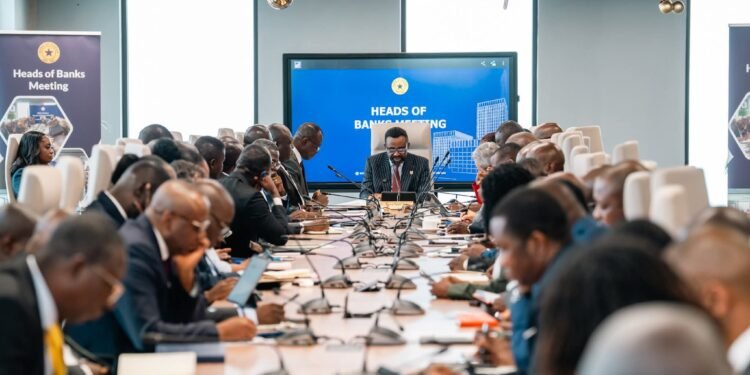
Ghana has taken a significant step toward reforming its electricity distribution sector with the formal presentation of a new Guiding Framework for Private Sector Participation (PSP), a move government says will transform performance at the Electricity Company of Ghana (ECG) and the Northern Electricity Distribution Company (NEDCo) without privatizing either entity.
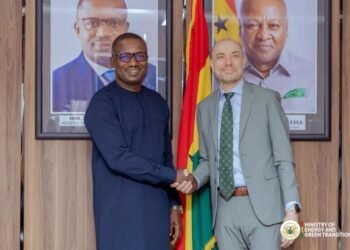
The announcement was made by the Minister for Energy and Green Transition, Hon. John Abdulai Jinapor, who described the development as a major milestone in Ghana’s ongoing electricity distribution reform agenda.
“I received the Guiding Framework for Private Sector Participation from the PSP Committee, marking a major milestone in Ghana’s electricity distribution reform.”
Hon. John Abdulai Jinapor, Minister for Energy and Green Transition
At the heart of the new framework is government’s insistence that electricity distribution assets will remain firmly in public ownership.

According to the Energy Minister, the model seeks to strike a balance between public control and private sector efficiency by leveraging expertise, technology and capital from private partners while safeguarding national assets.
“The framework outlines how private sector expertise will be engaged without privatization of ECG and NEDCo to improve efficiency, reduce losses, enhance customer service, and attract investment.”
Hon. John Abdulai Jinapor, Minister for Energy and Green Transition
This assurance is expected to allay public concerns arising from past attempts at private sector involvement in the distribution sector, which were often met with resistance over fears of asset sales and job losses.


Tackling Losses and Inefficiencies
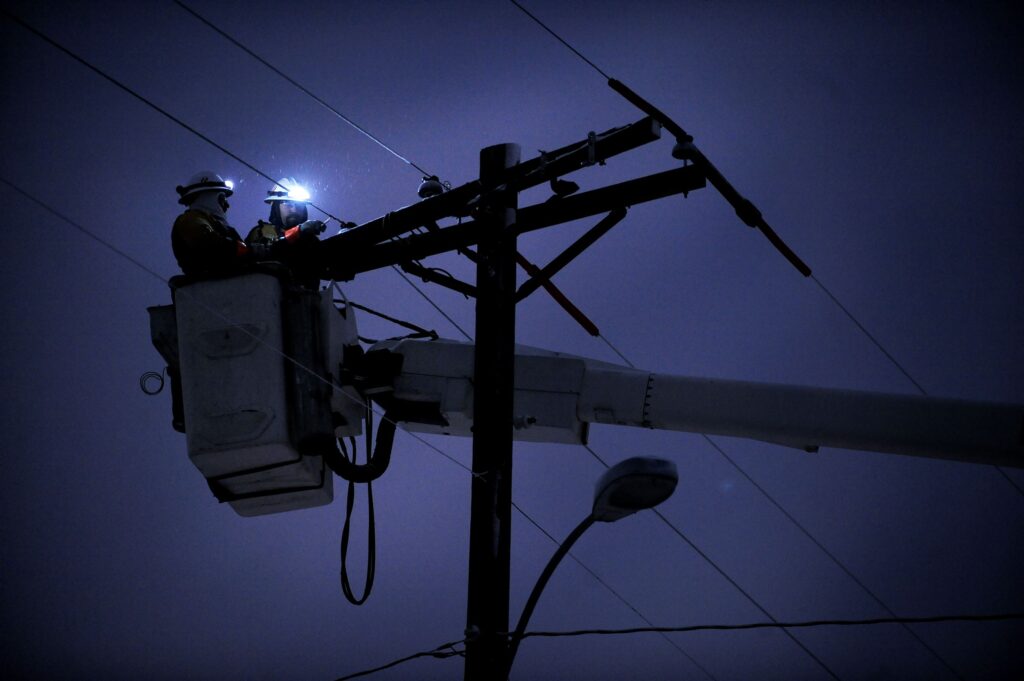
Ghana’s power distribution system has long been plagued by high technical and commercial losses, weak revenue collection and operational inefficiencies that have placed a heavy burden on the state and consumers.
The new PSP framework squarely targets these challenges, positioning loss reduction and efficiency improvement as its core objectives.
“The framework focuses on reducing losses, improving efficiency and service quality, attracting investment, and strengthening financial sustainability while keeping electricity assets in public ownership.”
Hon. John Abdulai Jinapor, Minister for Energy and Green Transition
Industry analysts had noted that losses at ECG and NEDCo have been a major contributor to the energy sector’s financial distress, forcing government to step in repeatedly with bailouts and recovery levies.
A defining feature of the new framework is the adoption of a multiple-lease model, under which private operators can be engaged to manage specific aspects or zones of electricity distribution under clearly defined performance contracts.
Unlike outright concessions or asset sales, the lease structure allows government to retain ownership while holding operators accountable for results.
“Using a multiple-lease model, the framework ensures strong governance, performance-based accountability, regulatory oversight, and social safeguards.”
Hon. John Abdulai Jinapor, Minister for Energy and Green Transition
Jinapor added that this approach is designed to restore confidence in reform efforts after earlier experiments failed to deliver lasting improvements.
The model is expected to introduce competition, innovation and discipline into distribution operations, while regulatory bodies such as the Public Utilities Regulatory Commission (PURC) and the Energy Commission maintain oversight to protect consumers and workers.
Supporting Economic Growth and the Energy Transition

Government believes the success of the PSP framework will go beyond fixing ECG and NEDCo’s balance sheets. Reliable and efficient electricity distribution is seen as critical to Ghana’s broader economic ambitions, including industrialisation, and the transition to cleaner energy sources.
By strengthening distribution networks, the framework aims to support increased integration of renewable energy, improve service reliability for businesses and households, and underpin initiatives such as the 24-Hour Economy.
Jinapor said the reforms are intended to position ECG and NEDCo “to deliver reliable, customer-focused power in support of Ghana’s economic growth and energy transition.”
Ghana’s electricity sector has undergone several reform attempts over the past decade, including concession arrangements and management contracts that failed to achieve their intended outcomes. Lessons from these experiences, officials say, have informed the design of the new PSP framework.
“I extend my sincere appreciation to the PSP Committee, under the chairmanship of Ing. Jabesh Amissah-Arthur, for their diligent work.”
Hon. John Abdulai Jinapor, Minister for Energy and Green Transition
As Ghana navigates the twin challenges of powering economic growth and transitioning to cleaner energy, the new PSP framework signals a renewed determination to fix the weakest link in the power value chain. Whether it delivers lasting change will depend on how faithfully its principles are applied in practice.
READ ALSO: Culinary Sector Calls for Support to Drive Growth and Jobs