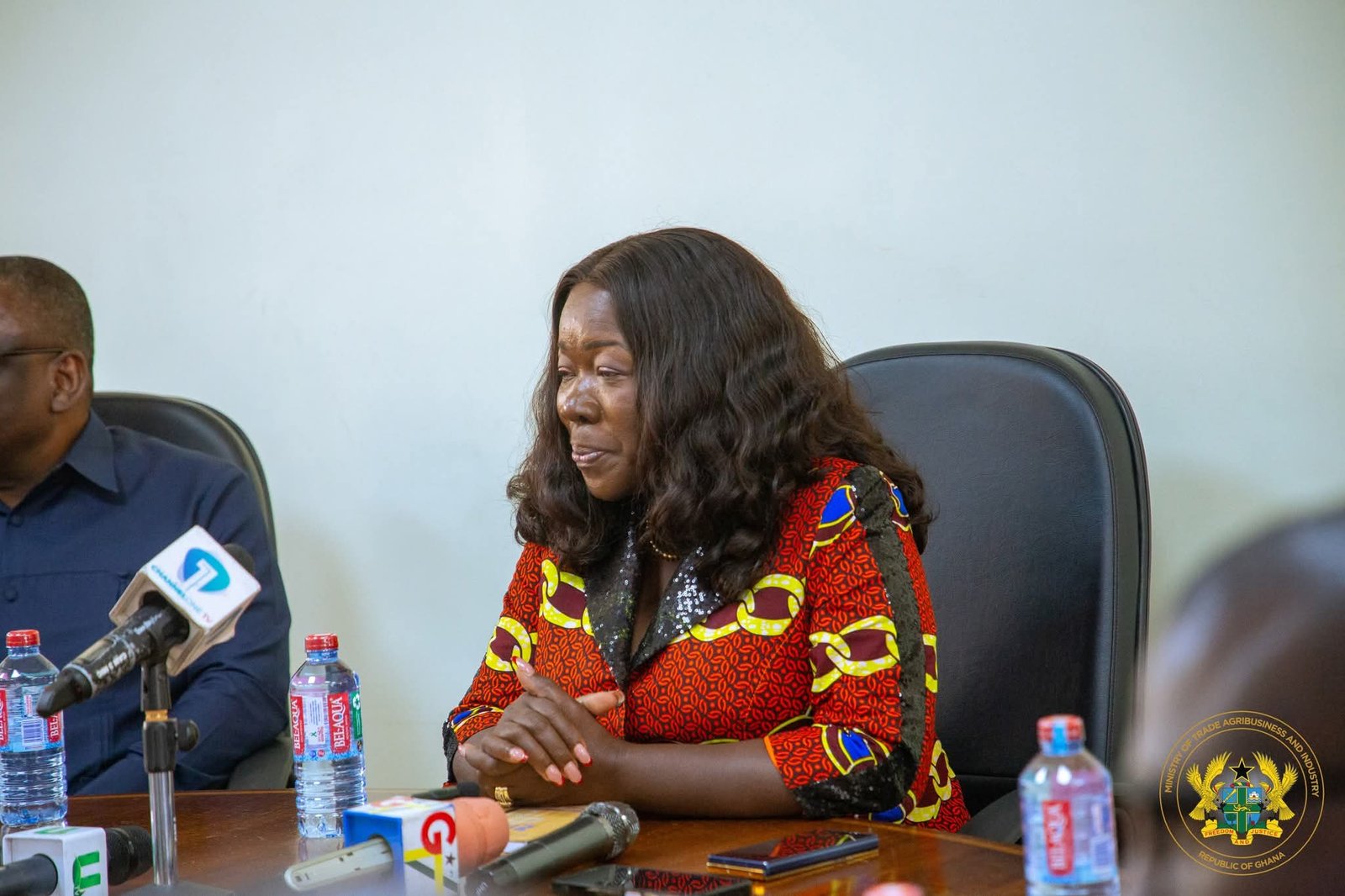
Efforts to boost the industrial sector in Ghana have begun to take shape as the government commits to establishing new factories while upgrading the existing ones.
The Minister for Trade, Agribusiness and Industry, Hon. Elizabeth Ofosu-Adjare, has declared 2026 as the year to awaken industrialization in Ghana. As data from the Ghana Statistical Service showed, the industrial sector lagged as the sector’s real GDP growth was 0.8 percent in the third quarter and 2.8 percent in the first three quarters of 2025. The sector contributed only 13.1 percent to national growth within the first three quarters of 2025.
Consequently, the government, led by H.E John Dramani Mahama, the President of the Republic, together with the Ministry of Trade, Agribusiness and Industry (MoTAI), has prepared a national policy draft for the industrial sector.
Boosting the Garment and Textile Industry
The government, through the Ministry of Trade, Agribusiness and Industry (MoTAI), has committed to establishing three new garment plants, while upgrading the existing factories to increase job opportunities and the sector’s export capacity.
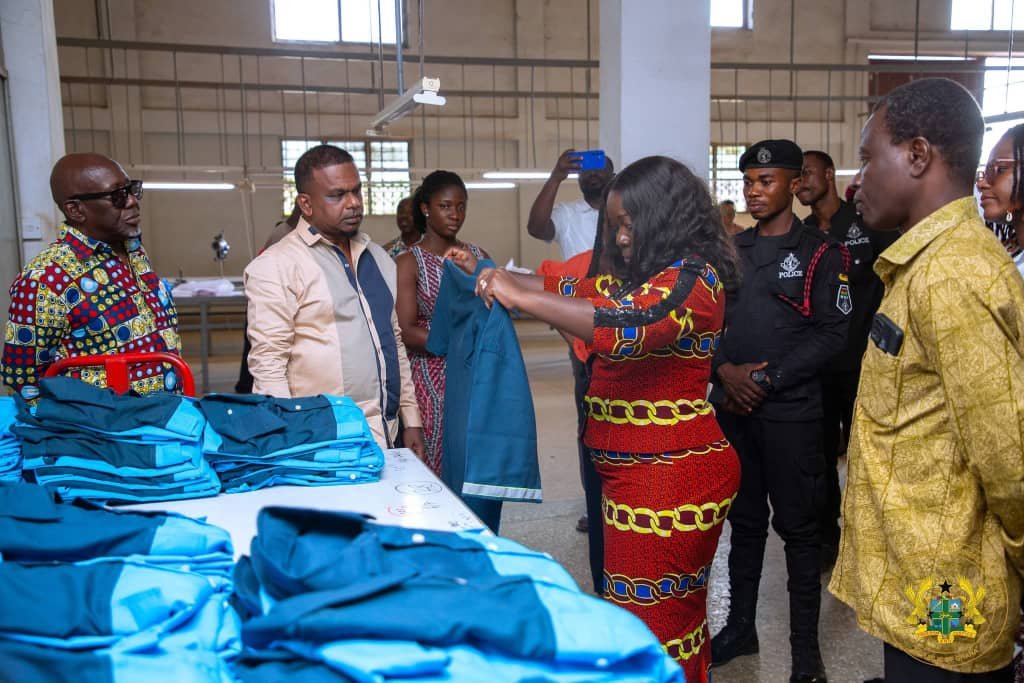
“In 2026, this government is high on garments and textiles. We want to make sure that even as we plan to establish three new garment plants in Ghana, existing factories like this are supported to operate at full capacity.”
Hon. Elizabeth Ofosu-Adjare, Minister for MoTAI
The Minister disclosed that a national garments and textiles policy draft is ready to be operational, and the President has made the garments and textiles sector a priority in 2026. The industrialization drive covers garments, textiles, and agro-processing sectors of the Ghanaian economy.
The Challenge of the Textile Industry
The Minister noted that the textile factories, such as Precious Textiles, are operating at less than their full capacity. Precious Textile, for instance, the Minister noted, operates only 30 percent of its capacity.


According to Hon. Ofosu-Adjare, the challenge of these factories is limited market access. Although these factories have modern machinery and skilled leadership, their daily output falls short of their true potential.
“What they need is markets. If they get contracts, you will see many of these idle machines working and more people employed. We must stop outsourcing when our local factories are struggling.”
Hon. Elizabeth Ofosu-Adjare, Minister for MoTAI
Hon. Ofosu-Adjare has assured that the government will prioritize local garment manufacturers for supply contracts, particularly for security services and other state institutions. She added that the government is ready to work with local manufacturers.
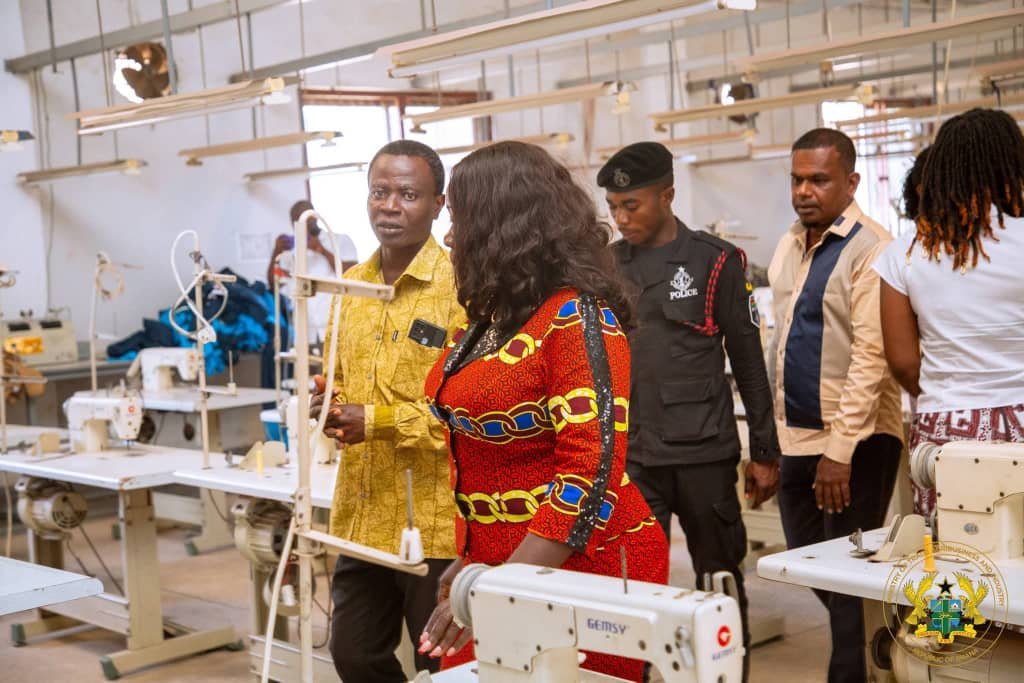
With the right government support through enablement provisions, the Minister expressed confidence that factories like Precious Textiles could be repositioned to produce for international brands and compete globally.
Supporting Food Processing Factories
The government has also noticed the significant contribution of the food processing industry to national development. The government, in admitting to its central role in industrialization, reaffirmed its unwavering commitment and support to the industrial sector.
“Ghana must be the hub for industrialization. With our stable democracy and the leadership of President John Dramani Mahama, this is the right place to manufacture and export across West Africa and the continent, especially under the AfCFTA.”
Hon. Elizabeth Ofosu-Adjare, Minister for MoTAI
The Minister assured food processing industry players of the government’s readiness to partner with them to unlock growth, expand production, boost exports, and create sustainable jobs for Ghanaians. She again hints at policies in the coming year to make local production competitive and sustainable.
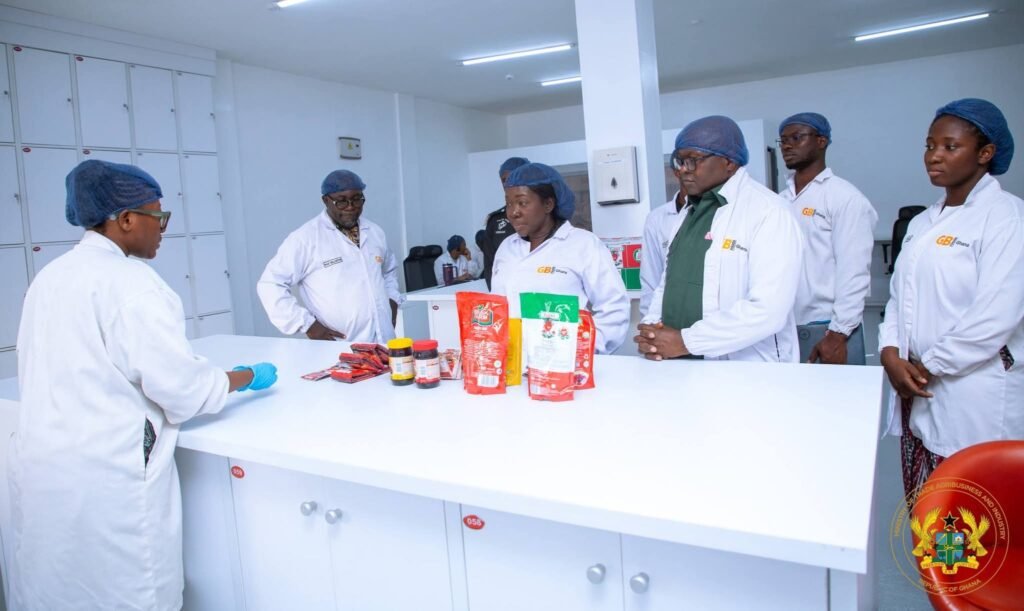
The GB Foods Factory Model
The Minister expressed her keen interest in the food processing industry of the economy to increase national food security and reduce general food prices. Upon her visit, she noticed the world-class production standards, strong safety record, and commitment to sustainability of the GB Foods factory in Tema.
“The standards here are top-notch. From the laboratories to the processes the tomatoes go through before they reach the market, you can see the effort that goes into ensuring quality.”
Hon. Elizabeth Ofosu-Adjare, Minister for MoTAI
The factory has attached a commercial farming and backward integration to its processing. The Minister described it as a major milestone for Ghana’s industrial agenda. The factory produces its own raw material (tomatoes, ginger, pepper, and others), creating a value chain of economic activities through jobs for farmers, transporters, and processors, to advance national growth.
According to management, “the company’s goal of sourcing 90 to 100 percent of its raw materials locally aligns perfectly with government policy,” adding that “while its growing exports to countries such as Burkina Faso and Côte d’Ivoire are helping to earn much-needed foreign exchange.”
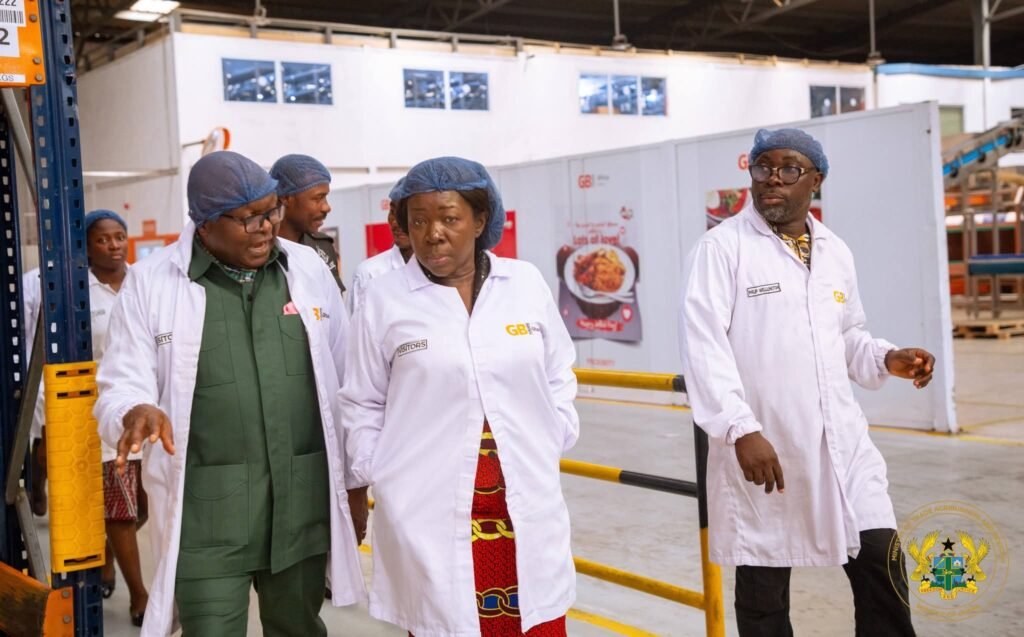
The company, which is a Spanish-owned yet deeply integrated into the local economy, operates in Europe, the Americas, and several African countries, with its Tema factory positioned as a regional hub for tomato-based products and cooking ingredients, Philip Wellington, the Factory Director, said.
Other Industrialization Drives of the Government
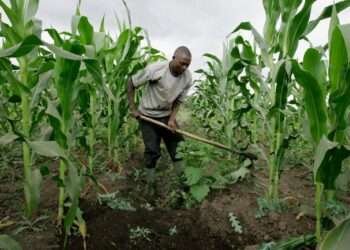
Under the Feed Ghana program and the 24-Hour Economy policy, the government has operationalized existing agro-processing plants in six regions (in Northern, Central, Ahafo, Bono, North East, Bono East, and Western North regions) to process products such as yams, fish, poultry, cashews, rice, shea butter, and palm kernel oil.
Two new cashew processing plants are under construction by Ghana EXIM Bank at Sampa (Bono Region) and Aboabo, Techiman (Bono East Region).

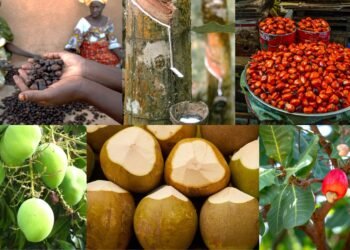
The government has made a long-term plan (2025-2030) to establish six industrial hubs across major crop belts to process pineapples, citrus, coconut, mango, passion fruit, and other botanicals into juices and wellness drinks.
Work has begun on the multi-purpose poultry and feed processing plant in Bechem, Ahafo Region, with a 12-month expected completion time. The government also plans to facilitate the construction of at least twenty medium-scale animal feed processing plants to revitalize the poultry industry.
These initiatives, according to the government, which will largely fall under the 24-Hour Economy policy, will be private sector-led while a conducive environment and infrastructure are provided.
READ ALSO: IMF Approves US$385m After Reaching Staff-Level Agreement on Fifth Review