Parliament has approved a concession agreement for the construction and management of the Accra–Kumasi Expressway, clearing the way for what the government describes as one of the most ambitious road infrastructure projects in Ghana’s history.
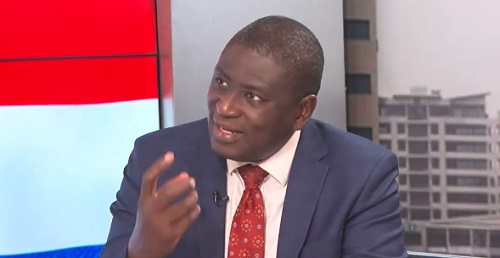
The approval followed extensive debate in the House, during which the Minister for Roads and Highways, Hon. Governs Kwame Agbodza, addressed concerns raised by Members of Parliament and offered assurances about continuity, financing, and long-term management of the project.
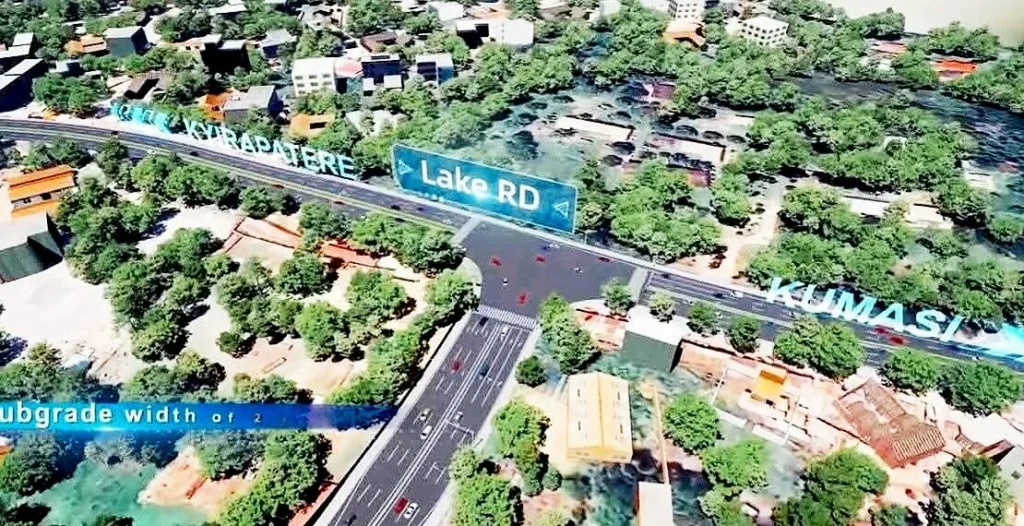
The expressway, Ghana’s first true highway of this calibre, stretches 198.7 kilometres from the coastal capital, Accra, through the forest belt to Kumasi, the nation’s second-largest city.
Its design reflects a bold step toward international-standard infrastructure. The project comprises 23 kilometres of urban connecting roads in Accra and Kumasi, each built as four-lane corridors with speed limits of 60 kilometres per hour.
Speaking ahead of the approval, Hon. Agbodza expressed gratitude to colleagues across the aisle for their broad support, noting that the comments and criticisms raised during deliberations would be taken seriously.
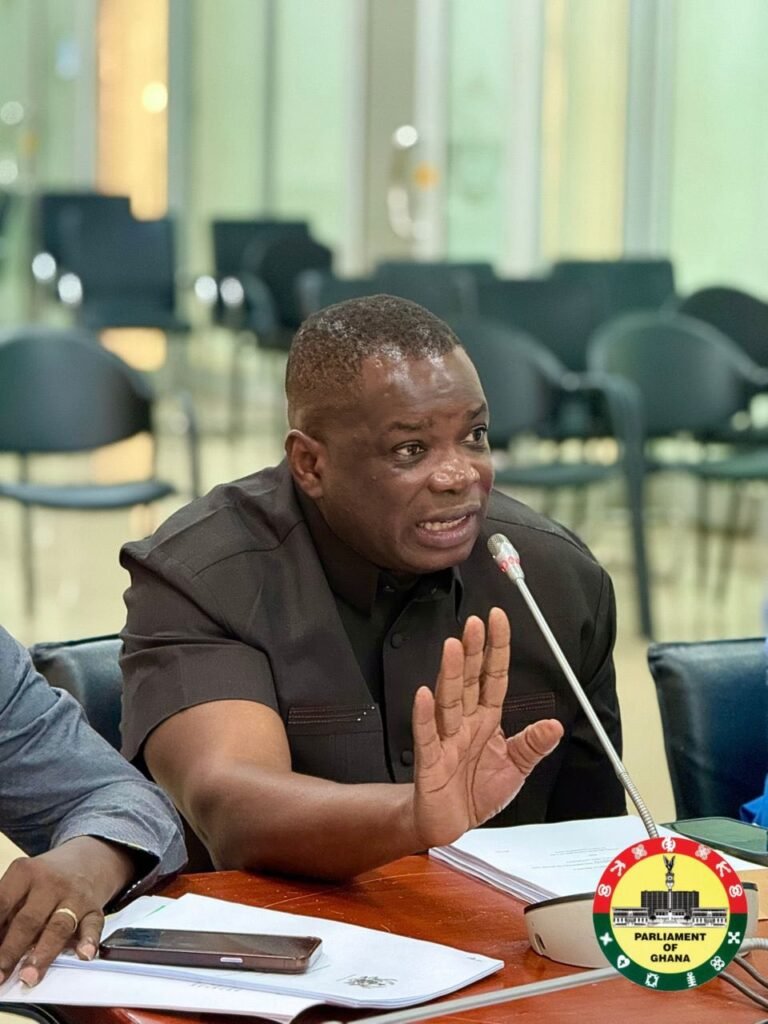
He emphasized that the debate reflected good faith engagement and underscored the shared national importance of improving the Accra–Kumasi corridor, widely regarded as the country’s most critical road link.


Completion of Ongoing Projects
A major concern raised during the debate was the status of the original Accra–Kumasi road alignment and fears that it might be abandoned in favor of the new expressway. Hon. Agbodza categorically rejected this suggestion, stating that the project had never been abandoned.
He explained that when the current administration assumed office in January 2025, contractors had already left the site before the 2024 elections because of changes in the scope of work and a mismatch between the revised scope and the funds that had been made available.
According to the minister, the government is now working closely with the relevant agencies to determine the actual cost required to complete the outstanding sections of the original alignment. He stressed that these sections would be completed, insisting that the narrative of abandonment does not reflect the facts on the ground.
Hon. Agbodza contrasted the current government’s approach to inherited road projects with that of a previous administration, recalling that in 2017 many road projects were suspended under the justification of audits.
He said President John Dramani Mahama’s government had adopted a different mindset by encouraging contractors to remain on site and continue work, even on projects initiated by earlier governments.
To illustrate this point, the minister cited the Ofankor–Nsawam road project, which he said had stalled before President Mahama took office. He disclosed that the President directed the Finance Minister to make an initial payment of nearly 800 million Ghana cedis, enabling work to resume.
As a result, he said, the project is now on course to be completed ahead of schedule. Similar progress, he added, has been recorded on the Kasoa–Winneba road, where contractors who were previously owed significant sums have now been paid, leading to accelerated construction.
He also noted that several interchange projects that were close to suspension have been incorporated into the government’s “Big Push” infrastructure agenda. Certificates, he said, have already been prepared to facilitate payments to contractors so work can continue without interruption.
Six Billion Cedis Payment
Hon. Agbodza revealed that close to six billion Ghana cedis have been paid by the Finance Ministry for road projects since the government took office.
He stressed that none of this amount has gone into new projects initiated by President Mahama’s administration, but rather into projects inherited from the previous government. He questioned how such substantial payments could be reconciled with claims that projects were being abandoned.
Turning specifically to the Accra–Kumasi Expressway, the minister explained that the new alignment is intended to serve as an alternative, not a replacement, to the existing road.
He referenced ECOWAS and African Union protocols, which allow expressways to be tolled to recover costs, provided that a viable alternative route remains available for motorists who may not wish to use the tolled expressway.

In his words, the idea is to give road users options: those who prefer a longer, toll-free journey can still use the existing road, while those who want to make the trip in a shorter time can opt for the expressway.
He agreed with colleagues that no road in Ghana is more important than the Accra–Kumasi corridor and expressed confidence that the country would be proud of the project within a few years.
Hon. Agbodza also highlighted the scale of the government’s broader infrastructure agenda, describing the Big Push as larger than any single road project currently underway on the African continent.
Big Push Exceeds Commitment of Five Billion Dollars
He said the programme has already exceeded five billion dollars in value, arguing that no comparable road-focused intervention exists elsewhere in Africa. With additional components such as the Ekye Amanfrom bridge project, he suggested the initiative could become the largest road infrastructure undertaking in Ghana’s history.
Addressing skepticism about whether the expressway would be completed, the minister said similar doubts had once surrounded the Big Push itself. He pointed out that contractors are currently working on project sites around the clock, sometimes under floodlights, as evidence of the government’s commitment to delivery and its belief in Ghana’s capacity to develop through the efforts of its own people.

He further explained that the expressway is being developed through the Ghana Infrastructure Investment Fund (GIIF), which will establish a Special Purpose Vehicle (SPV) to build and manage the road over a 50-year period.
While the Highways Authority could have constructed the road directly, Hon. Agbodza said the GIIF model was preferred because it integrates construction with long-term maintenance and management.
Looking ahead, he suggested that once the expressway is completed, private investors may even express interest in taking over the asset by compensating the state for its investment, potentially freeing up resources to extend similar infrastructure from Kumasi to Tamale.
Work in Progress
He dismissed claims that no preparatory work or designs had been done, explaining that substantial primary work has already been completed and would be handed over to the SPV.
In closing, Hon. Agbodza reiterated his appreciation for the constructive input of Members of Parliament and pledged that the government would deliver the project to the satisfaction of both Parliament and the wider Ghanaian public.
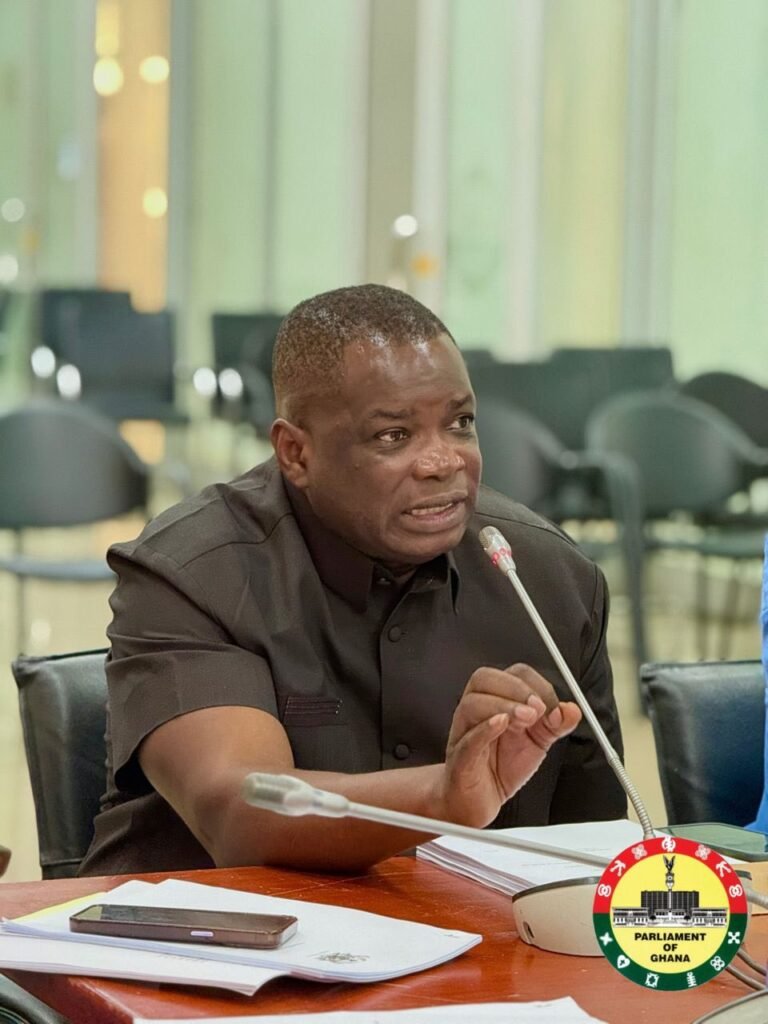
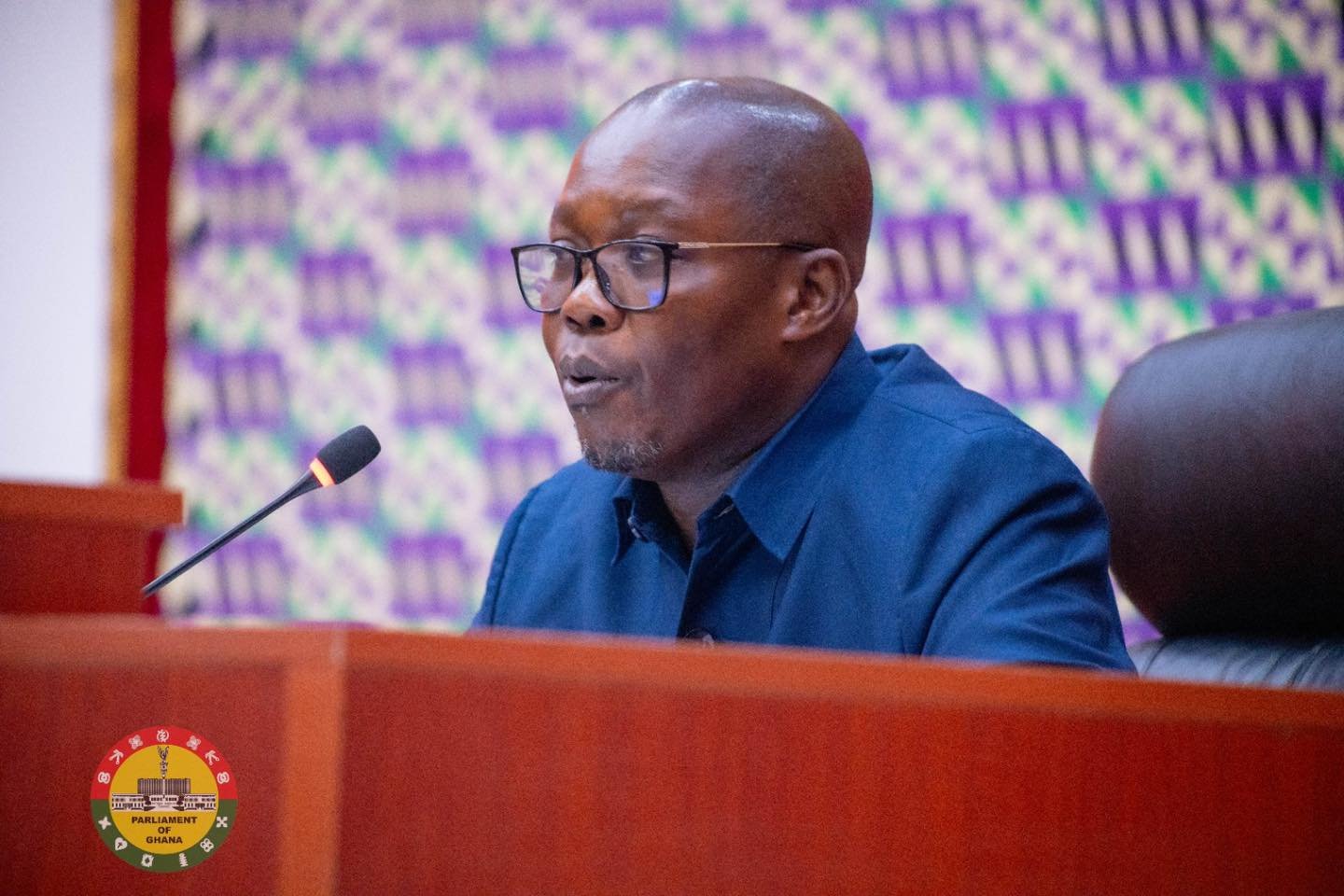
He expressed hope that the expressway and related projects would transform the country, improve road safety, and attract investment. The approval was presided over by the First Deputy Speaker, Hon. Bernard Ahiafor. After the conclusion of debates, the motion was put to a voice vote, with the “ayes” prevailing.
Parliament subsequently adopted a consequential resolution related to the concession agreement, clearing the remaining procedural hurdles and formally endorsing the project.
READ ALSO: Producer inflation Slides to 12.3% in November 2025 as Factory Gate Prices Cool Sharpl