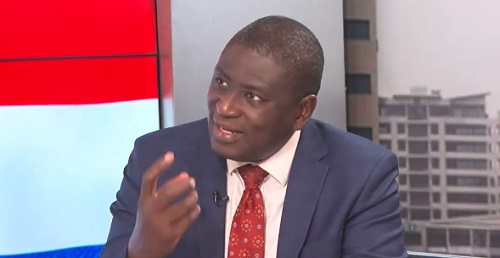
The Executive Director of the Institute for Energy Policies and Research (INSTEPR), Kwadwo Poku, has entered the intensifying debate over fuel price competition among oil marketing companies (OMCs) in Ghana, expressing strong reservations about calls to scrap the petroleum price floor.
As discussions continue among industry players, regulators, and civil society organisations (CSOs), Mr Poku said he was surprised that some advocacy groups are pushing for the removal of a policy that was introduced to address deep-rooted challenges in the downstream petroleum sector.
“I have always believed that CSOs should understand the challenges that existed prior to the introduction of a policy and evaluate whether the policy has effectively addressed those issues.”
Kwadwo Poku, Executive Director of INSTEP
Why the Floor Price Was Introduced
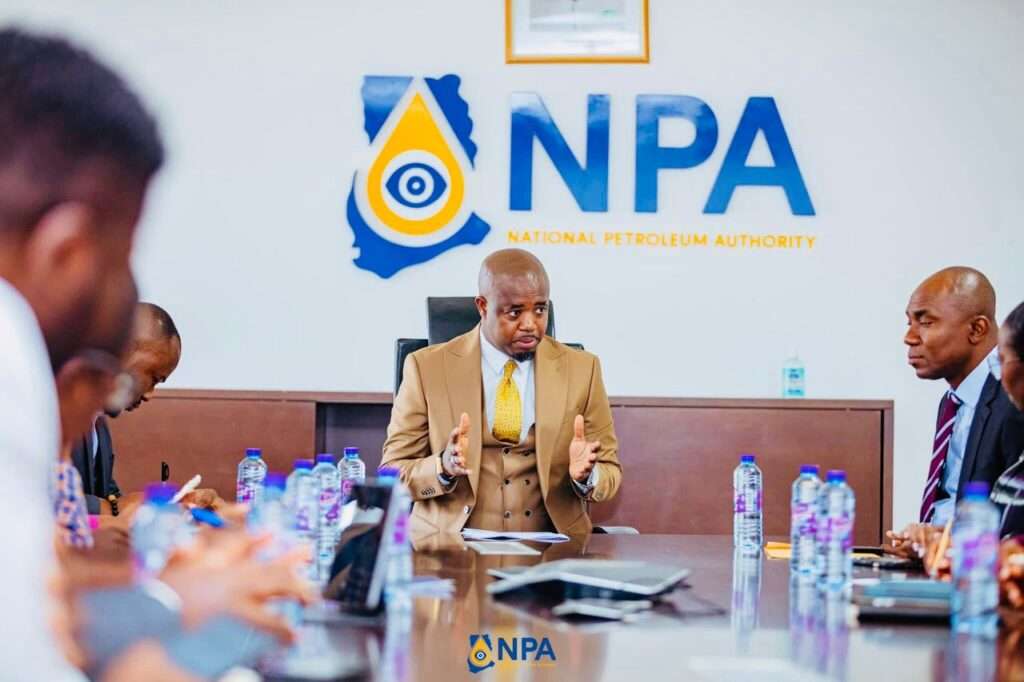
According to Mr Poku, the National Petroleum Authority (NPA) introduced the petroleum floor price in response to two major problems that were undermining the sustainability of the downstream sector: persistent financial losses among OMCs and the widespread impact of illegal fuel imports.
He explained that before the policy was implemented, some OMCs engaged in aggressive price undercutting in a bid to increase market share and sales volumes. While this strategy temporarily attracted consumers, it often came at the expense of long-term financial viability.
In many cases, Mr Poku noted, companies sold fuel below sustainable cost levels without adequate accounting systems to track losses.
Over time, this resulted in the collapse of some businesses and the accumulation of significant debts across the petroleum value chain, affecting importers, distributors, and retailers alike.
These practices, he said, contributed to instability in the sector and threatened its ability to reliably supply fuel to the market.
Illegal Fuel Imports and Market Distortions
Beyond pricing practices, Mr Poku pointed to the long-standing problem of smuggled petroleum products entering the Ghanaian market.
According to him, the influx of illegally imported fuel exerted downward pressure on prices, forcing legitimate OMCs to compete under unfair conditions.
This situation, he explained, created distortions in the market, as companies complying with tax and regulatory requirements struggled to match the artificially low prices of smuggled products.
“The floor price was introduced to protect the downstream industry,” Mr Poku said, arguing that the policy helped restore a degree of balance by setting a minimum price benchmark that reflected legitimate costs.
“Ironically, the entities lobbying for its removal are the same ones that can no longer import and distribute illegal fuel at low cost.”
Kwadwo Poku, Executive Director of INSTEP
Competition Must Be Sustainable
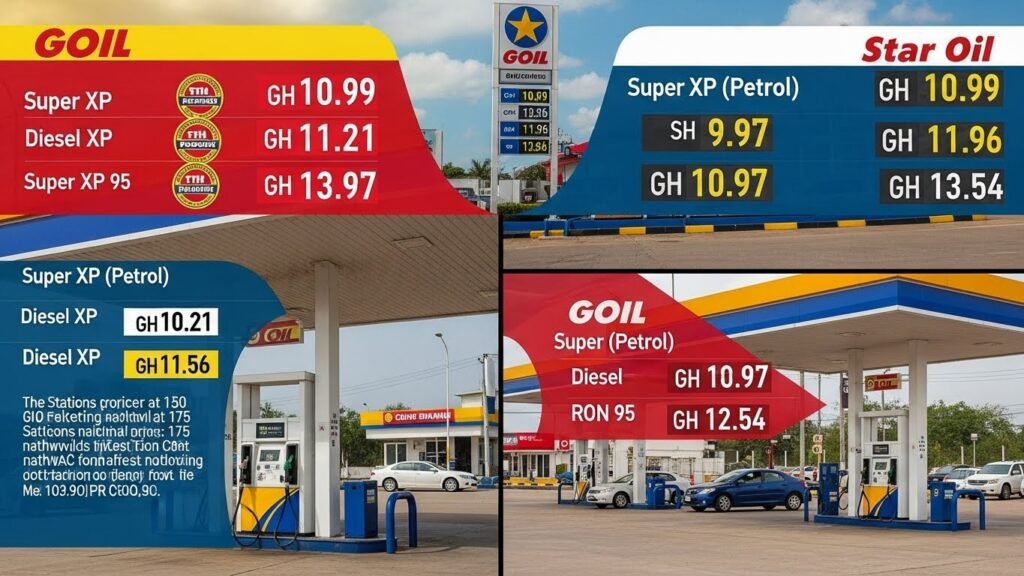
While acknowledging public concerns about fuel affordability, Mr Poku emphasised that competition in a deregulated market must be grounded in sustainability.
He said the NPA remains committed to ensuring that fuel prices remain as affordable as possible for consumers, but cautioned against price reductions that undermine the industry’s financial health.
According to him, the essence of deregulation is to promote healthy competition, not destructive pricing that leads to business failures and supply disruptions.
“The floor price reflects the actual cost of petroleum products without profit margins,” Mr Poku explained. He noted that while OMCs are free to sell at the floor price, pricing below that level makes it impossible for companies to cover overheads such as logistics, staff costs, and maintenance.
“Selling below cost to cover overheads is not a viable business strategy,” he said, warning that such practices ultimately hurt both the industry and consumers.
Responding to Calls for Policy Reversal

Mr Poku urged stakeholders, particularly civil society groups, to approach the debate with a clear understanding of the policy’s original intent and its impact since implementation.
He cautioned against framing the issue purely as a consumer-versus-industry argument, noting that a weak downstream sector ultimately poses risks to energy security and price stability.
He also called on the public to be cautious about narratives being advanced by groups with vested interests.
In his view, some of the advocacy against the floor price is driven less by consumer welfare and more by attempts to reintroduce practices that the policy was designed to eliminate.
In a strong concluding remark, he urged Ghanaians to disregard what he described as “criminal gangs lobbying to distribute illegal products in Ghana,” arguing that dismantling the price floor could reopen the door to illicit activities.
As the debate over fuel pricing intensifies, Mr Poku’s intervention adds another layer to an already polarized discussion within Ghana’s energy sector. Supporters of the floor price see it as a necessary stabilising tool, while critics argue it restricts competition and limits consumer benefits.
For INSTEPR, however, the priority remains safeguarding the long-term sustainability of the downstream petroleum industry.
Mr Poku’s comments underscore the view that effective regulation must strike a careful balance between competition, affordability, and industry viability, an equilibrium that remains at the heart of Ghana’s ongoing fuel pricing debate.
READ ALSO: AngloGold Hosts Environment Committee to Ensure Responsible Mining