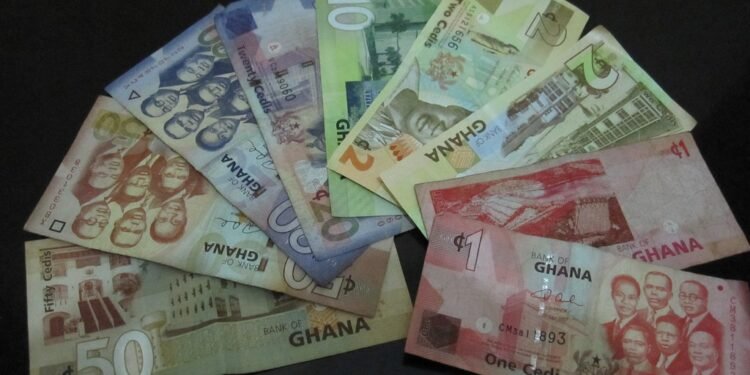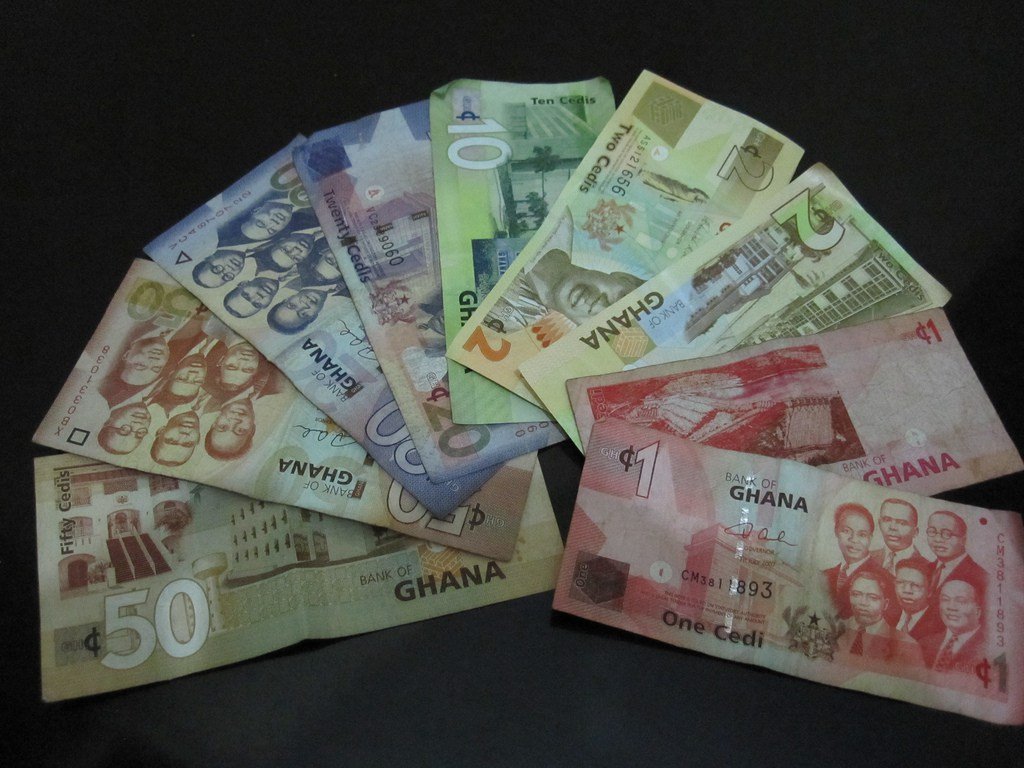
According to Godfred Bokpin, Professor of economics, the strong Cedi has interrupted certain economic activities in Ghana, reducing national economic benefits.
While analyzing the Bank of Ghana’s foreign exchange interventions in the foreign exchange market to strengthen the Ghanaian Cedi, he mentioned that the appreciated Cedi has certain costs to the economy – dislocations of certain viable economic activities.
“But that same strong cedi has caused dislocations in the economy, affecting government revenue, remittances, and the competitiveness of domestic production.”
Prof. Godfred Bokpin, Economist
He complimented the efforts of the government (the fiscal side) and the Bank of Ghana (the monetary side) in stabilizing the Cedi, which has reduced the national economic cost. He insisted that the combination of forex injections, monetary tightening, and steep expenditure cuts had helped strengthen the cedi and lower inflation, along with other positive macroeconomic indicators.
Strong Cedi-Caused Dislocations
While the appreciated and stronger Ghanaian currency commands many benefits to the economy, such as lower import costs and reduced inflation, it also reveals noteworthy challenges for an economy highly dependent on raw material exports and a weak manufacturing sector.

The Cedi-caused dislocations affect export competitiveness and encourage cheaper imports, threatening export sector jobs and local industries.
According to Prof. Bokpin, “an overly strong cedi could deter Foreign Direct Investment [FDI] and make imports cheaper than local goods, hurting domestic production.”


“A strong cedi may not work effectively in our [Ghana’s] favour because we have a weak productive sector.”
Prof. Godfred Bokpin, Economist
Exports from Ghana become relatively expensive for buying entities outside Ghana’s national jurisdiction. Export revenues also decline since export earnings convert into fewer Cedis. The direct impact on revenue and profit margins of exporters on exports like cocoa, gold, and other agricultural products affects the national revenue. Some companies have hinted of shutdown as the situation persists.
Local industries and manufacturers face intense competition from external manufacturers as imported goods become relatively cheaper with a stronger Cedi. Since Ghana’s industries do not meet international productive capacity in terms of quality and standardization, they are unable to match lower inflows of prices. Imports gain an advantage over locally produced goods, which becomes a time bomb for the Ghanaian economy. Many people will go out of jobs as local industries sink into inefficiencies.
As exports are affected, the ripple effect on the economy becomes huge, transcending into depths that challenge the Ghanaian economy in its comeback. The foreign currency inflows reduce as exports become less competitive. Ghanaians living abroad stall projects embarked on in Ghana, while remittances to relatives are disincentivized due to fewer Cedi conversions.

As the Cedi value of imports drops, earnings from import duties also shrink. Government plans are thus destabilized as revenue targets shift. This discourages fiscal prudence on the part of the government as projects and promises need to be completed and fulfilled.
The rapid appreciation of the Ghanaian Cedi could cause disruptions for some markets and businesses. Some businesses were challenged and had to replan, adjust pricing strategies, and renegotiate contracts, promoting market uncertainties.
These, according to Prof Bokpin, are not a spell of doom but a possibility analysis for economic managers, both on the fiscal and monetary side, to tackle as a unit. These require policy and institutional coordination to mitigate these effects.
The benefits of a stronger local currency outweigh the cons. However, economic inefficiencies, unstandardized, lower productivity, and unregulated economic output and function make Ghana’s case worrying.
Matching Stronger Cedi with Improved Productivity
Prof. Bokpin and other experts warn that Ghana’s over-reliance on commodity exports and heavy regulatory measures risked undermining the economy’s competitiveness.
Ghana must increase productivity and export more of value-added commodities. This will build a solid foundation for the Ghanaian economy to cushion a stronger Cedi.
Experts recognize that the intervention and management of the government and the Bank of Ghana have yielded good results. According to researchers, Ghana’s economy in 2025 outperformed many African economies, hence the Ghanaian economy is on the right trajectory.
If the productivity base and Value addition strategy are incorporated into the current success story, bigger economic gains await the country in 2026, Prof Bokpin declared.
READ ALSO: Ghana’s Primary Target Crushes Debt Demons