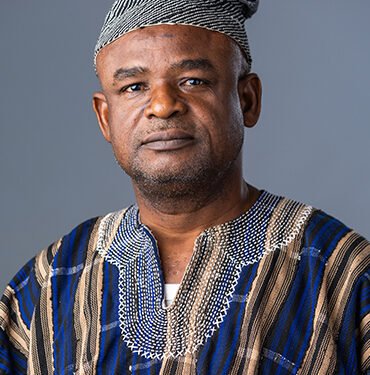
Ghana’s electricity consumption has surged to an all-time high, placing unprecedented pressure on the national power grid, but the Minister for Energy and Green Transition, Dr. John Abdulai Jinapor, has assured the public that the system remains stable and resilient.
According to the minister, peak electricity demand has reached about 4,300 megawatts, the highest level ever recorded in the country. While acknowledging the strain this places on power generation and transmission infrastructure, Dr. Jinapor dismissed fears of a return to the era of persistent power outages, popularly known as dumsor.
“We are seeing a huge increase in terms of energy consumption. And that also presents a challenge. It means that we have to work very hard to sustain the lights and keep the lights on.”
Dr. John Abdulai Jinapor, Minister for Energy and Green Transition

The sharp rise in demand has raised public concern, particularly among businesses and households that still remember the economic and social disruptions caused by past power crises. However, Dr. Jinapor insisted that the energy sector is now better equipped to manage such pressures.
Despite the daunting demand levels, he stressed that power sector agencies have built stronger operational capacity and coordination over the years.
“Let me assure the people of Ghana that those of us in the ministry will continue to work very hard; it is very challenging, but so far we are holding on, we are making significant improvements, and we will continue to work to deliver on our mandate.”
Dr. John Abdulai Jinapor, Minister for Energy and Green Transition
He attributed the current resilience to improved planning, better generation management and closer collaboration among key institutions responsible for power generation, transmission and distribution.


From Crisis Response to Long-Term Reform
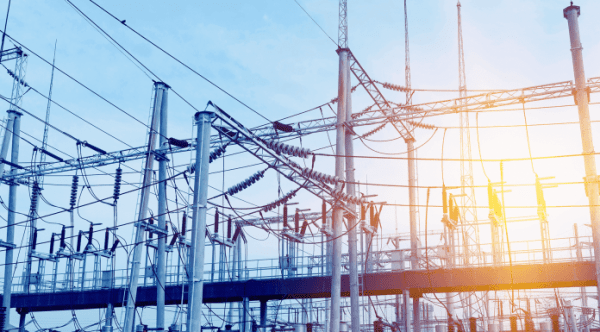
Beyond managing immediate demand pressures, Dr. Jinapor revealed that government is pursuing a comprehensive strategy to fundamentally re-engineer the energy sector.
He explained that the focus is shifting from short-term emergency fixes to long-term structural reforms designed to ensure sustainability, affordability and reliability.
The minister described the approach as a deliberate effort to future-proof Ghana’s power sector in the face of growing population, industrial expansion and increased electrification.
One pillar of the reform agenda is boosting domestic petroleum production to support thermal power plants, which remain a critical component of Ghana’s energy mix. Dr. Jinapor noted that reliable fuel supply is essential for maintaining steady generation, especially during peak demand periods.
By increasing local petroleum output and improving fuel security, the government aims to reduce vulnerabilities associated with supply disruptions and volatile international markets. This, he said, would help stabilize generation costs and enhance the operational efficiency of thermal plants.
Renewables at the Center of Energy Transition
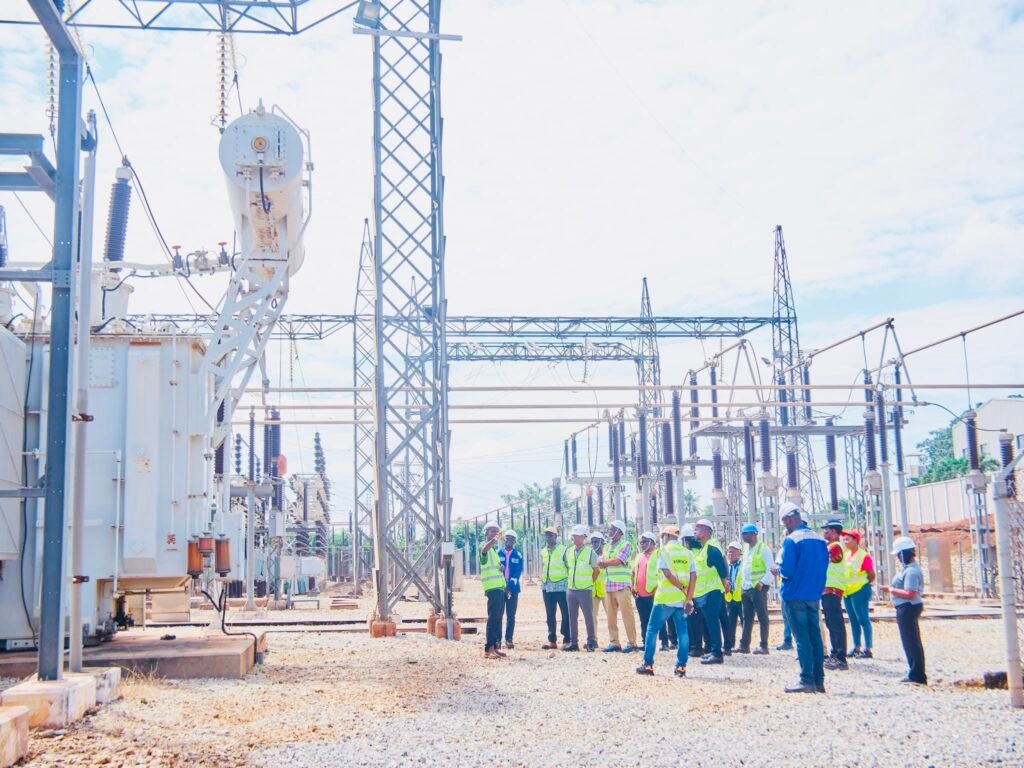
In line with Ghana’s green transition goals, the minister highlighted an aggressive push to expand renewable energy, particularly solar and wind. He explained that diversifying the energy mix is no longer optional but a necessity given rising demand and global climate commitments.
Renewable energy projects, according to Dr. Jinapor, will play a growing role in easing pressure on the grid while reducing dependence on fossil fuels.
He emphasized that scaling up clean energy will not only support sustainability but also improve energy security and attract investment into the sector.
Another critical element of the reform agenda is ensuring contractual discipline and value for money across the energy sector. Dr. Jinapor warned that poor contracts and weak negotiations have historically contributed to inefficiencies and financial strain within the power industry.
He made a direct appeal to legal professionals working within the Ministry of Energy and its allied agencies, including the Volta River Authority (VRA) and the Electricity Company of Ghana (ECG), to take a leading role in safeguarding public resources.
“And so I want to call on you, the lawyers in particular.
“You would always review all our contracts and ensure that the negotiations go very, very well, and so I want to encourage you to give your best and to work very hard.”
Dr. John Abdulai Jinapor, Minister for Energy and Green Transition
According to the minister, strong legal oversight is essential to prevent unfavorable agreements and ensure that every dollar spent delivers real value to the Ghanaian people.
For consumers and businesses alike, the assurance from the Energy Ministry signals renewed confidence that Ghana’s power sector is entering a more stable and forward-looking phase, even as it navigates one of the most demanding periods in its history.
READ ALSO: Mahama Inspects Takoradi–Agona–Nkwanta Road, Directs $78m Payment to Speed Up Completion