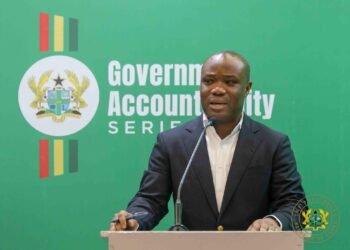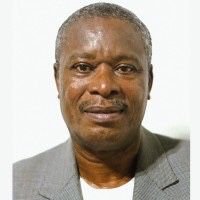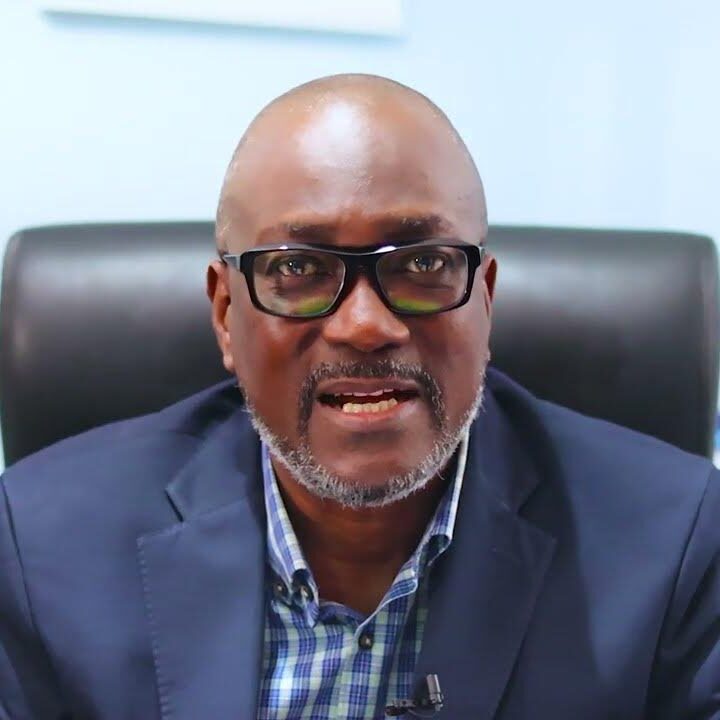
Professor Henry Kwasi Prempeh, Chairman of the Constitutional Review Committee (CRC), has formally proposed a fundamental shift in Ghana’s democratic architecture, recommending a one-year extension of the presidential term to a five-year tenure.
Presenting the Committee’s final report to President John Dramani Mahama, Prof. Prempeh argued that the current four-year cycle has become a governance treadmill where administrative transitions and early electioneering consume nearly half of a leader’s time, leaving little room for meaningful policy implementation.
“We took to heart the recommendations that we got from many of the eminent persons that we met, including some who have occupied your seats, that the four-year term was short – it was too short.
“And we also then learned that the emerging global norm was five and that even in the west African region, we have the lowest. I mean, four is pretty low”
Professor Henry Kwasi Prempeh, Chairman of the Constitutional Review Committee
However, Professor Kwasi Prempeh clarified that while the proposal aims to synchronize Ghana with emerging global standards, it is strategically paired with a “third-term firewall.” He was categorical that the extension is strictly intended to improve efficiency, revealing that the Committee found “no public demand” for a third term – a position he noted is shared by the President himself.

“We couldn’t find a place for a third term for the president. We looked and looked and looked, but we couldn’t find it. I mean, we realized that the president himself doesn’t like it, you know, nobody really seems to like it. There wasn’t much of a demand for it at all”
Professor Henry Kwasi Prempeh, Chairman of the Constitutional Review Committee
According to the Committee Chairman, driving the five-year term proposal is the timelines regarding the “political season” and the “governing season.” The CRC found that under the 1992 Constitution, a President typically spends the first six months settling into office and the final year of the term on the campaign trail. This leaves roughly two and a half years for actual governance.
To resolve this, the Committee coupled the proposed five-year term with strict new regulations on campaign seasons, designed to limit the “distraction” of prolonged political activity.
By extending the term to five years, the CRC believes the state can move away from the “winner-takes-all” rush and allow for the maturation of large-scale infrastructure and economic programs like under the “Big Push” framework for the current NDC government.


“We deliberately avoided reopening debates around term limits, focusing instead on improving governance efficiency” Prof. Prempeh added.
Stripping the Attorney-General
Beyond the presidency, the report proposed a radical unbundling of the Office of the Attorney-General.

In a move aimed at taming what critics call the “Imperial Presidency,” the CRC recommended transferring corruption-related prosecutorial powers away from the A-G – who serves as a political appointee and Cabinet minister – to a new, independent Ethics and Anti-Corruption Commission.
This shift is designed to give the Attorney-General “free hands” to focus on international arbitration and complex constitutional cases, while ensuring that the prosecution of public officials is handled by a body insulated from partisan interests.
This structural clean-up also extends to State-Owned Enterprises (SOEs), with a proposed review of how their heads are appointed to ensure meritocracy over political patronage.
A Bipartisan “Christmas Gift”
President Mahama’s reception of the report suggests a high probability of implementation, given the NDC’s current legislative strength.
However, the President emphasized that the “non-partisan” composition of the Committee – which included legal luminaries like Justice Sophia Adinyira and Mrs. Charlotte Osei – was a deliberate choice to ensure the report survives the polarized environment of the Ghanaian Parliament.
The “bipartisan manner” of implementation promised by the President will be the ultimate test of the report’s viability. As 2026 approaches, the debate will shift from the Committee’s findings to the floor of Parliament, where the supermajority will need to decide if they are ready to relinquish the “winner-takes-all” appointment powers for the sake of institutional independence.
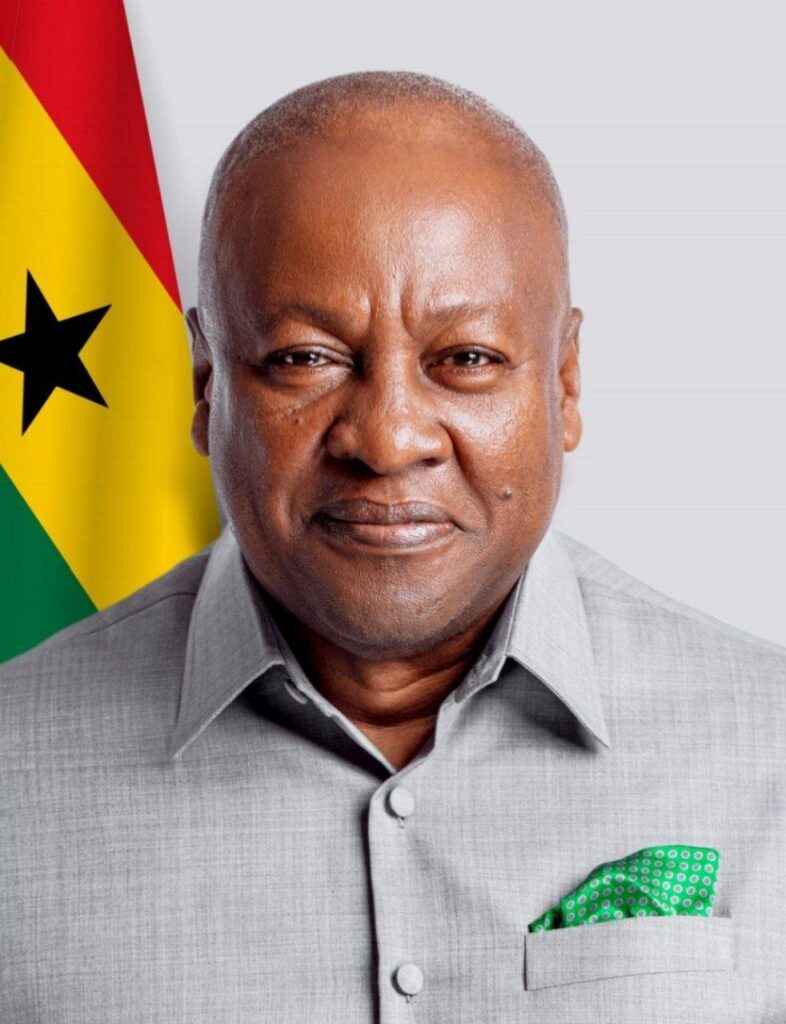
“Thank you very much for this beautiful Christmas gift. We chose the committee very carefully so that when the report comes, it will be non-partisan to make it a bit easier for all of us to come together to move us forward. This report has come at the right time”
President John Dramani Mahama
READ ALSO: Turkey’s Fidan Discusses Integration Of SDF With Syrian Officials