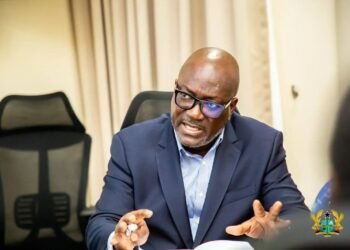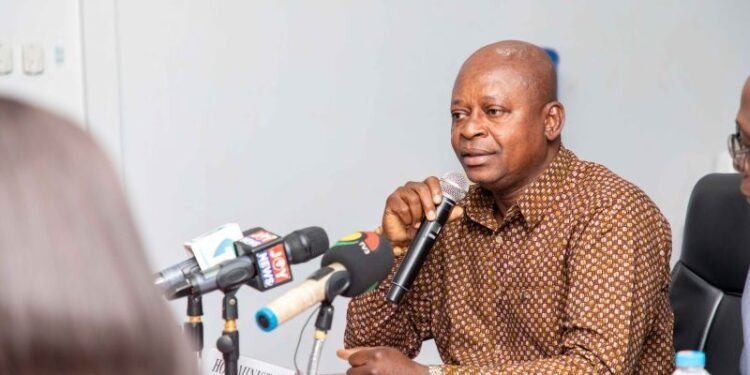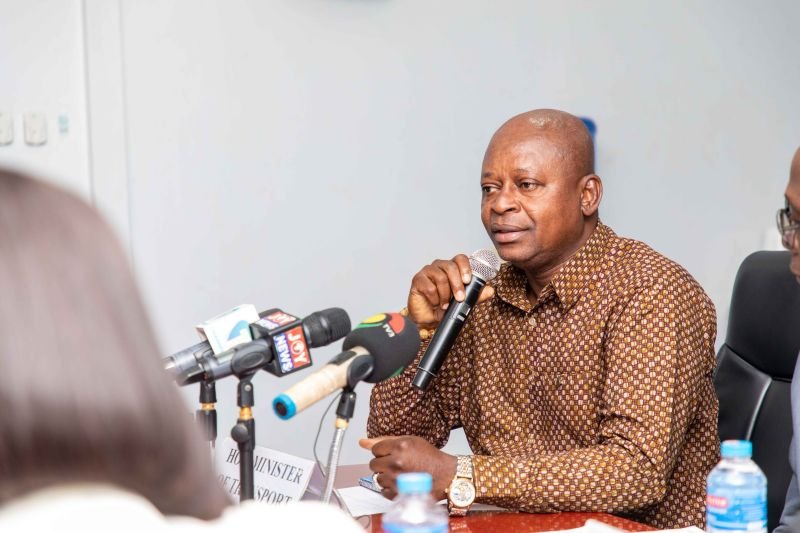
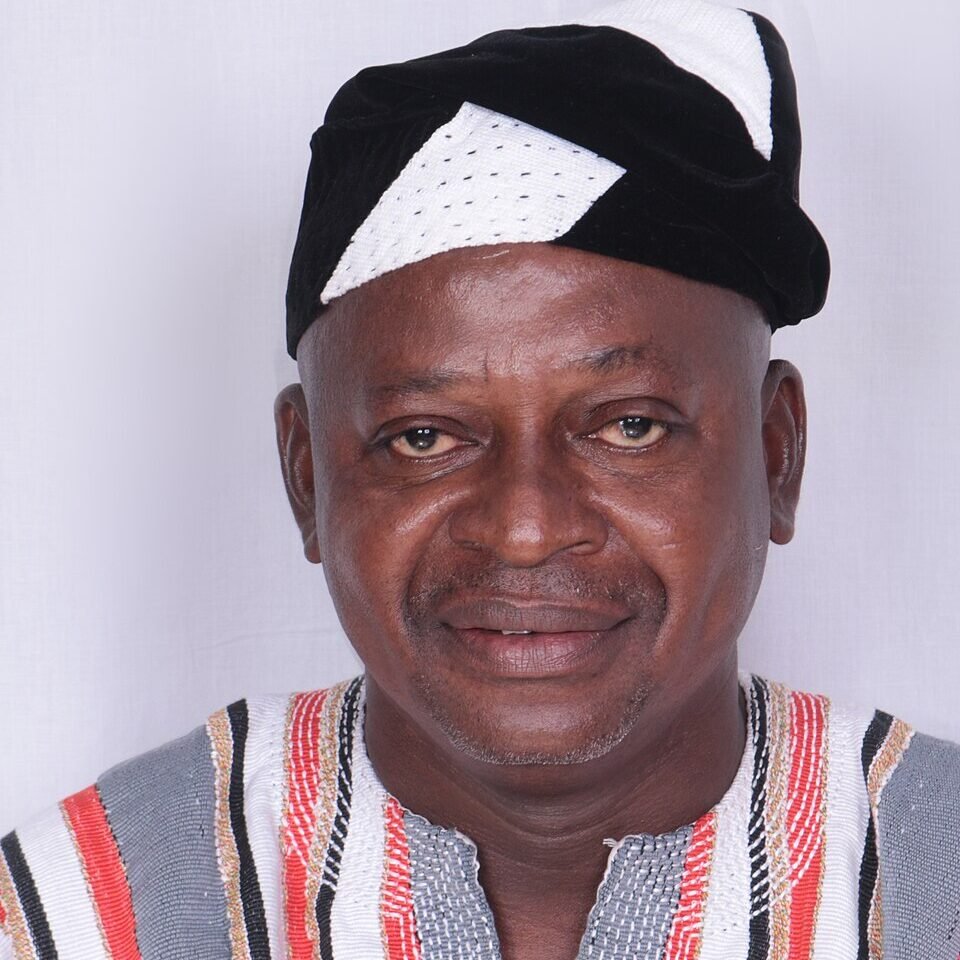
Hon. Joseph Bukari Nikpe, the Minister for Transport and MP for Saboba, has launched a decisive technological strike against the manual cash collection systems that have long crippled the financial health of the state’s transport giants.
Addressing the media, Hon. Nikpe announced that the 2026 fleet expansion for the State Transport Company (STC) and Metro Mass Transit (MMT) will be anchored by a rigid automated payment framework, designed to bypass the “backhand” culture of collectors and ensure direct revenue flow into the state’s coffers.
The cornerstone of this reform is a strategic financing and revenue-sharing agreement with Ghana Commercial Bank (GCB).
“With the Ghana Commercial Bank arrangement, all necessary payments will be automated. And if someone is buying a ticket, say GHC100, there’s a percentage that will go directly to Ghana Commercial Bank.
“Whilst we are also working to block all the loopholes, a lot of the buses will come with a kind of technology in them that can help you monitor at all times what a particular bus is doing, and how many people are on board”
Hon. Joseph Bukari Nikpe, Minister for Transport and MP for Saboba
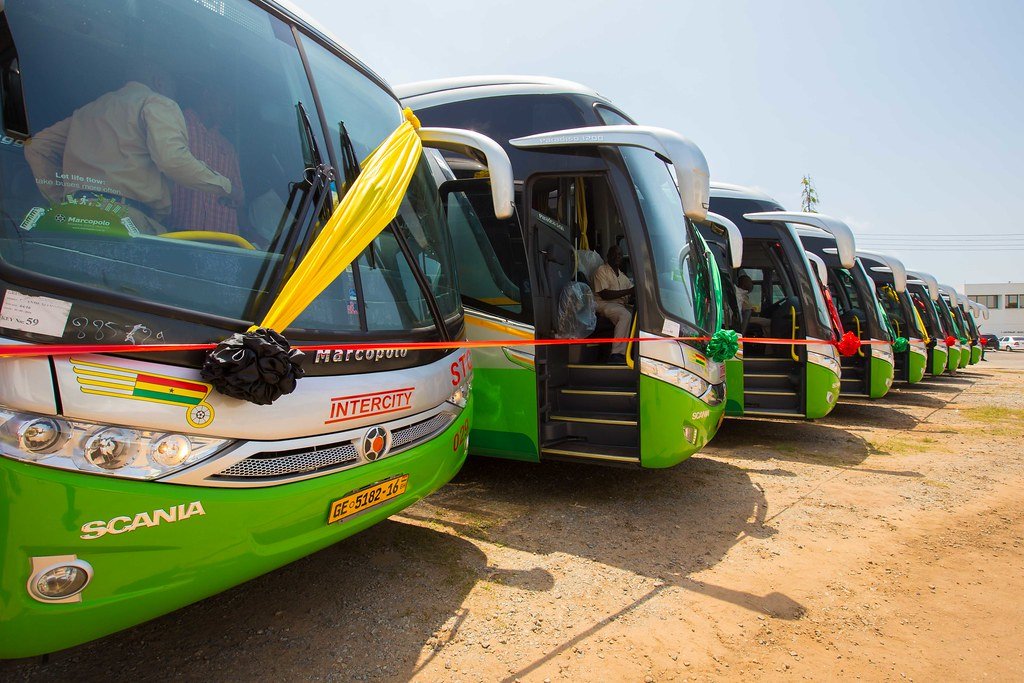
Under this arrangement, GCB is not merely a lender but a primary gatekeeper of the transport value chain. Nikpe revealed that the bank’s funding of nearly 300 new buses for the first phase of the 2026 rollout is contingent on a digital system where every ticket purchase – whether via card or Mobile Money (MoMo) – is automatically split, with the bank’s percentage diverted instantly to its accounts.
Hon. Nikpe argued that the current manual collection system is riddled with loopholes that allow revenue to vanish before it ever reaches the bank. By introducing buses equipped with real-time tracking and passenger-manifest technology, the Ministry intends to monitor the exact occupancy of any bus at any given time, making it impossible for operators to under-report earnings.
This “security” for transport revenue is aimed at reviving STC and MMT, both of which Hon. Nikpe previously described as being “in distress.” The plan here is to effectively replace the old, leak-prone manual oversight with a new, uncompromising automated regime.


Discipline on Roads
The Minister’s reform agenda extended beyond the balance sheet to the physical discipline of Ghana’s roads.
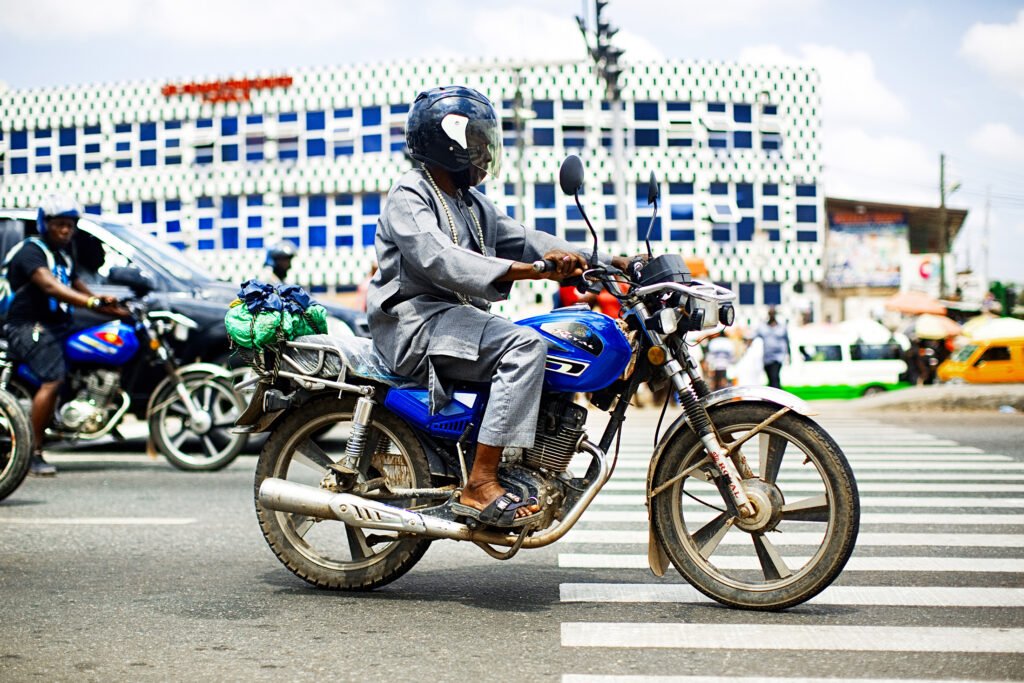
Following the legalization of commercial motorcycle operations (Okada), and the new buses being introduced, Hon. Nikpe advocated for a multi-ministerial “coordinated effort” to enforce road safety. He noted that while Togo and Ghana share similar populations, the primary gap is the lack of enforcement.
To bridge this, the Ministry is preparing to introduce dedicated traffic signals and signs for motor riders, paired with tougher sanctions for offenders. This is to help the sector’s transition from a period of unregulated chaos to one of strict, multi-agency compliance involving the Ministries of Interior and Local Government.
“The transport sector needs improvement on daily basis. It is about enforcing laws and being disciplined and this is where we have to get into calling on other Ministries – including the Minister of Roads and Highways too. We need a coordinated effort in ensuring discipline on our roads – by bringing in more discipline”
Hon. Joseph Bukari Nikpe, Minister for Transport and MP for Saboba
According to the Transport Minister, the success of the plans will be measured by the arrival of the first 150 buses in early 2026. If the GCB automated split works as intended, it could serve as a blueprint for revamping other struggling state-owned enterprises.
READ ALSO: WAPP Moves Toward Unified Power Grid to Boost Electricity Reliability in West Africa