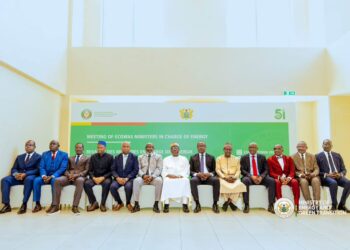

The West African Power Pool (WAPP) is making decisive progress toward the permanent synchronization of national electricity grids across the sub-region, a move expected to significantly improve power reliability and deepen regional energy integration.
The development follows a successful technical test that has cleared the path for the creation of a single, unified synchronous grid for West Africa.
Mr. Oluwafemi T. Fajemirokun, Head of Information, Telecom, and SCADA at WAPP, revealed that the milestone represents years of planning and coordination among ECOWAS member states.
“A successful test last month has now paved the way for one unified synchronous grid,” he said, describing the achievement as a turning point for the region’s electricity sector.

Grid synchronization allows multiple national electricity networks to operate at the same frequency and in harmony, enabling power to flow seamlessly across borders.
“With permanent synchronization, we can now coordinate generation and transmission more efficiently, reduce power outages, and open the door for a truly competitive regional electricity market.”
Mr. Oluwafemi T. Fajemirokun, Head of Information, Telecom, and SCADA at WAPP
He added that the initiative is “a critical milestone toward ensuring reliable and affordable electricity for our citizens.”
By balancing supply and demand across borders, countries facing power deficits can draw electricity from neighbors with surplus generation, reducing the frequency and impact of outages.
Breaking Barriers Between Power Systems
Until recently, West Africa’s electricity infrastructure operated within three separate synchronous zones. This fragmentation limited the region’s ability to fully integrate electricity markets and optimize the use of available generation capacity. Power exchanges between zones were constrained, often requiring complex and costly technical arrangements.
Mr. Fajemirokun explained that the successful test conducted last month demonstrated the technical feasibility of merging these zones into a single synchronized system.
With this hurdle cleared, WAPP can now move toward permanent synchronization, allowing national grids to function as parts of one interconnected network rather than isolated systems.
This integration is expected to lower overall system costs by reducing the need for each country to maintain excess reserve capacity.
The progress toward synchronization is the result of long-term investments in infrastructure and regulation. Mr. Fajemirokun provided background on WAPP, noting that the organization was established in 1999 under the auspices of the Economic Community of West African States (ECOWAS).
Over the past decade, WAPP has focused on building the backbone for regional power trade. This has included the construction of cross-border transmission lines, the harmonization of grid codes, and the establishment of modern control centers equipped for real-time system monitoring.
These measures have helped align technical standards across countries, a prerequisite for stable and secure synchronization.
Vision for a Regional Electricity Market
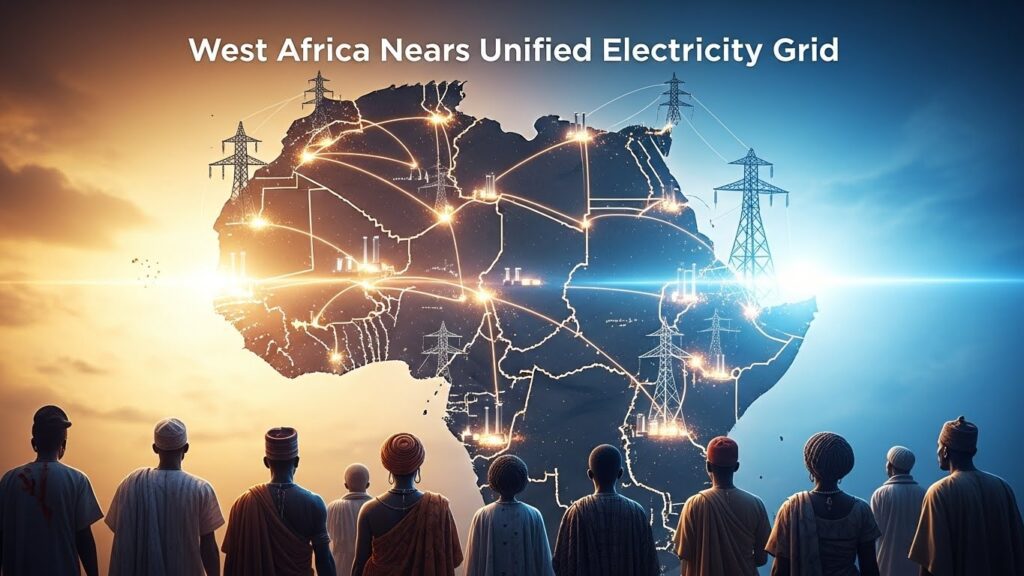
According to Mr. Fajemirokun, WAPP was created with a clear mandate to integrate national power systems into a unified electricity market. “WAPP is an independent power association of power utilities and private utilities within the ECOWAS member countries,” he said.
He explained that the vision was to create an integrated electricity market capable of delivering reliable power at competitive costs over the medium and long term.
“The vision was to integrate the national power systems into a unified electricity markets with the goal of providing… reliable energy at competitive costs.”
Mr. Oluwafemi T. Fajemirokun, Head of Information, Telecom, and SCADA at WAPP
At the heart of this mission is the coordination of power generation, transmission and cross-border exchanges, enabling countries to benefit from economies of scale and diversified energy sources.
A competitive regional market could also encourage private sector participation in power generation, as producers gain access to a larger customer base beyond national borders. For consumers, greater competition and optimized dispatch could translate into more stable tariffs over time.
As West Africa moves closer to operating as a single electricity market, the region stands to unlock new efficiencies and resilience in its power sector.
With permanent synchronization now within reach, WAPP’s long-held vision of an integrated, reliable and affordable regional electricity system is closer to becoming a reality.
READ ALSO: CRC’s Recommendation Radical but Necessary – Mahama Signals Firm Action