In a sharp escalation of the legal showdown between the state and the previous administration’s financial nerve center, international counsel for former Finance Minister Ken Ofori-Atta has dismissed the 78-count SML corruption case as a politically motivated act.
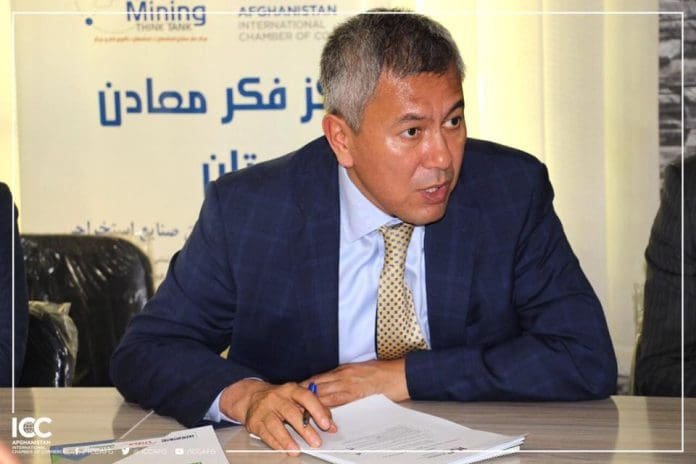
Enayat Qasimi, a Washington-based practitioner, has broken the silence to argue that the Office of the Special Prosecutor (OSP) is weaponizing Interpol to hunt a man whose location and medical status were never in doubt.
“He is fully committed to complying with the laws of Ghana, and he is fully committed to answering for anything that he did when he was the finance minister. There is absolutely no question about that. The question is, is he being given the rights that he’s guaranteed under Ghanaian law? He is not, and he has never been”
Enayat Qasimi, International Counsel for Former Finance Minister Ken Ofori-Atta
While Attorney General Dr. Dominic Ayine confirmed the formal transmission of an extradition request to the U.S. Department of Justice on December 18, Qasimi contended that the state is trampling on constitutional guarantees in a rush to secure a “fugitive” narrative.

His defense rested on a single claim: transparency. Qasimi argued that the OSP was fully briefed on Ofori-Atta’s presence at the Mayo Clinic in the United States for cancer treatment long before the aggressive Red Notice was issued.
By framing the former minister as “evading justice,” the defense claims the state is deliberately ignoring medical records to justify a high-profile pursuit of accountability.
This “Red Notice War” highlights a systemic clash. The OSP, led by Kissi Agyebeng, views the 78 counts – including conspiracy to influence procurement and causing financial loss to the tune of GHS 1.4 billion – as the culmination of a criminal enterprise.


Conversely, the defense views the Interpol alert as an abuse of process designed to embarrass a sick man rather than facilitate a trial.
78 Counts
The charges against Ofori-Atta and seven others, including former GRA Commissioner-Generals, paint a picture of an “automatic payment arrangement,” that allegedly siphoned millions for services never rendered.

Prosecutors allege that Strategic Mobilisation Limited (SML) was a “patronage-driven” entity that lacked the technical capacity for petroleum and mineral audits.
However, Qasimi has shifted the trial from the merits of the contract to the integrity of the process used by the state thus far.
By hiring top-notch U.S. lawyers to fight the extradition, the Ofori-Atta camp has signaled a long-haul legal battle that will test the strength of the U.S.-Ghana Extradition Treaty and the OSP’s ability to prove criminal conduct over policy decisions.
“Mr Ofori-Atta was receiving treatment. He was in the US, and they knew all along. There was no purpose for issuing the Red Notice, but they went ahead and issued it,” Lawyer Qasimi reiterated.
As the case moves to the Criminal Division of the High Court, the narrative is no longer just about the GRA-SML contract. It is about whether the state can extradite a former high-ranking official who maintains he is a “cooperating citizen under medical duress.”
The Attorney General’s insistence that the government has taken all requisite steps is now being challenged by a defense team that argues the basis for such steps was built on a lie.

The stakes are high: a failed extradition would be a significant blow to the administration’s anti-corruption credentials, while a successful one would bring the Fourth Republic’s longest-serving Finance Minister back to face a potential sentence.
READ ALSO: Black Boxes From Jet Crash That Killed Top Libyan Military Officials In Turkey Recovered