Dr. Kenneth Bansah, Resource Governance Expert, has cautioned the government against the Ministry of Lands and Natural Resources’ move to revoke 50 large-scale mining licenses, arguing that such a drastic measure should only be considered a last resort in the regulatory toolkit.
While the Ministry cites the absence of mandatory permits from the Environmental Protection Authority (EPA) and the Water Resources Commission (WRC) as the primary grounds for this action, Dr. Bansah maintains that the state must balance its interest in sustainable mining with the socio-economic realities of the extractive sector.
“License revocation should be treated as a last resort. While the move signals the state’s intention to tighten mineral governance, revocation should not automatically become the default response.”
Dr. Kenneth Bansah
Expanding on the potential fallout, the expert noted that while the state possesses the legal authority to withdraw licenses from operators who violate statutory conditions, the sudden displacement of 50 large-scale entities could have catastrophic consequences for the national economy.
Dr. Bansah emphasized that the promotion of responsible mining is a legitimate state interest, yet he questioned why these regulatory breaches—some of which have reportedly persisted for years were not addressed earlier by oversight institutions.
He argued that if an operator is unable to comply with due process, it signals a lack of readiness for intergenerational mining; however, jumping straight to revocation without evidence of prior warnings or heavy fines suggests a breakdown in the standard “mineral governance” ladder.
Regulatory Oversight and Institutional Failures
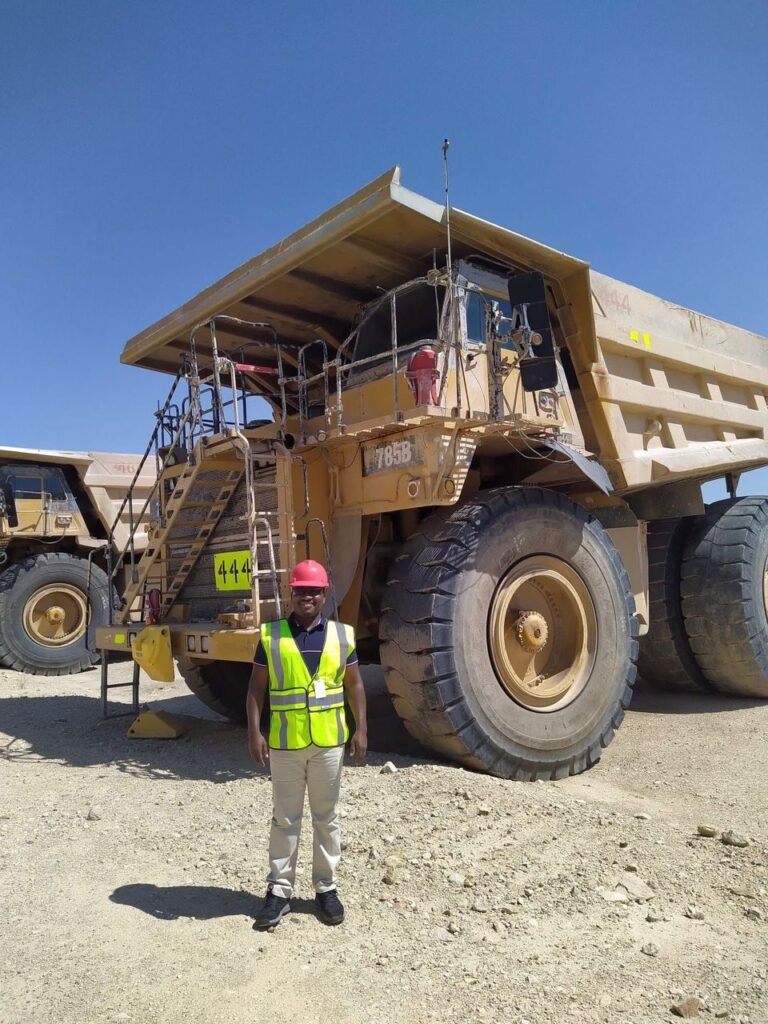
A critical dimension of this developing story is the apparent lapse in institutional oversight that allowed these 50 large-scale mines to operate without the requisite EPA and water permits in the first place.


Dr. Bansah expressed deep concern regarding the efficiency of the regulatory bodies, asking rhetorically whether it requires the formation of special committees before “obvious regulatory breaches” are identified and corrected.
In his view, the fact that these companies operated for extended periods without full legal coverage suggests that the oversight institutions may not have been up to the task, raising broader questions about the effectiveness of the entire governance framework within the mining sector.
Looming Threat of Increased Galamsey
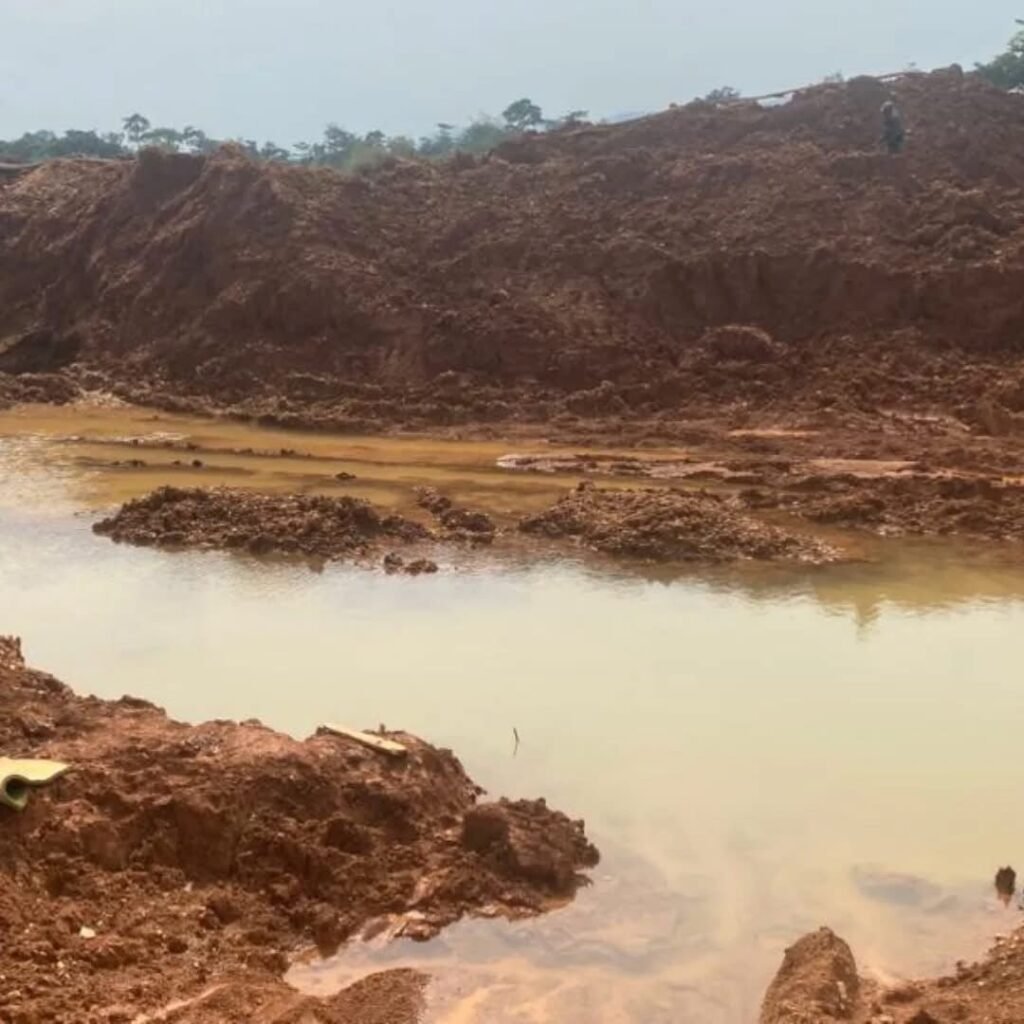
Beyond the legalities, there is a significant human cost associated with the Ministry’s proposed directive that could undermine the government’s own fight against illegal mining.
Dr. Bansah warned that given the country’s high unemployment rate, revoking these licenses without a clear transition plan for the workforce could inadvertently drive thousands of formal employees into the “galamsey” i.e illegal mining sector.
He challenged the Ministry to provide a roadmap for the affected workers, noting that without plans to absorb them elsewhere, the state might simply be creating a direct “pathway into galamsey” while attempting to solve a separate regulatory issue.
Alternative Enforcement and the Way Forward
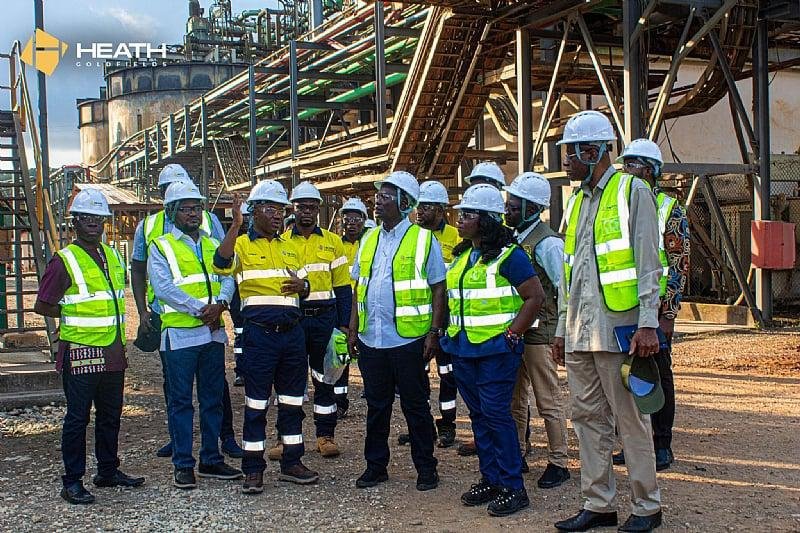
To avoid these unintended outcomes, the resource expert suggests a more nuanced enforcement strategy that prioritizes corrective action over total industry excision.
Dr. Bansah advocates for a tiered approach where operators are first issued formal warnings, slapped with heavy financial penalties, and where individuals are held personally liable for breaches before the “nuclear option” of license withdrawal is exercised.
He maintains that if the goal is to promote responsible mining, the state should focus on bringing companies into compliance rather than pursuing a path that will likely fail to yield the expected environmental and economic stability the Ministry seeks.
READ ALSO: Fintech Pressure Mounts as Internet Banking Records Explosive Growth in 2025