The Government of Ghana has released GH¢139.33 million under the Livelihood Empowerment Against Poverty (LEAP) programme to support 350,580 vulnerable households across the country, benefiting an estimated 1.5 million people.
The disbursement forms part of ongoing efforts to cushion the most disadvantaged populations against economic hardship and strengthen the country’s social protection framework.
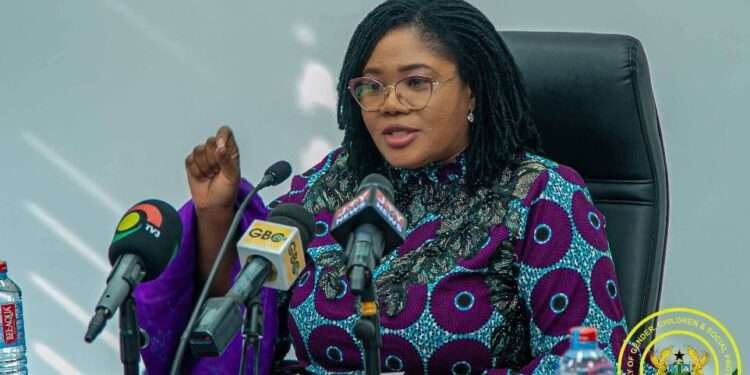
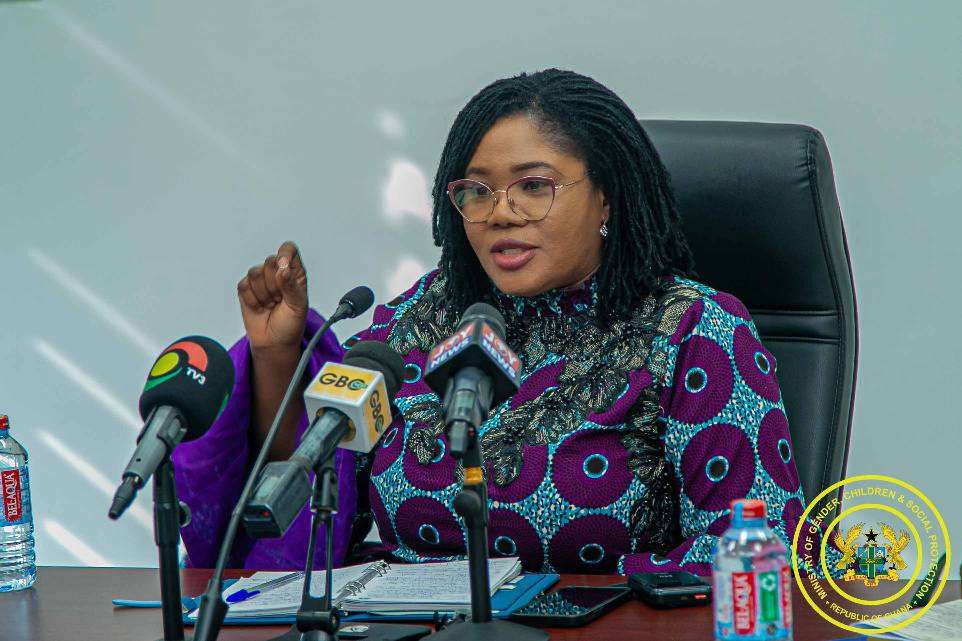
The disclosure was made in Accra by the Minister for Gender, Children, and Social Protection, Agnes Naa Momo Lartey, during a press briefing to update the public on the latest cycle of payments under the programme.
According to the minister, the release represents the 96th cycle of LEAP cash grant disbursements, underscoring the programme’s continuity and its role as a key safety net for vulnerable citizens.
She explained that the LEAP initiative provides predictable and consistent financial support to indigent households, enabling them to meet basic needs and cope with economic pressures.
The latest payment, she said, reflects the government’s resolve to protect vulnerable groups at a time when many households continue to face rising living costs and income insecurity.


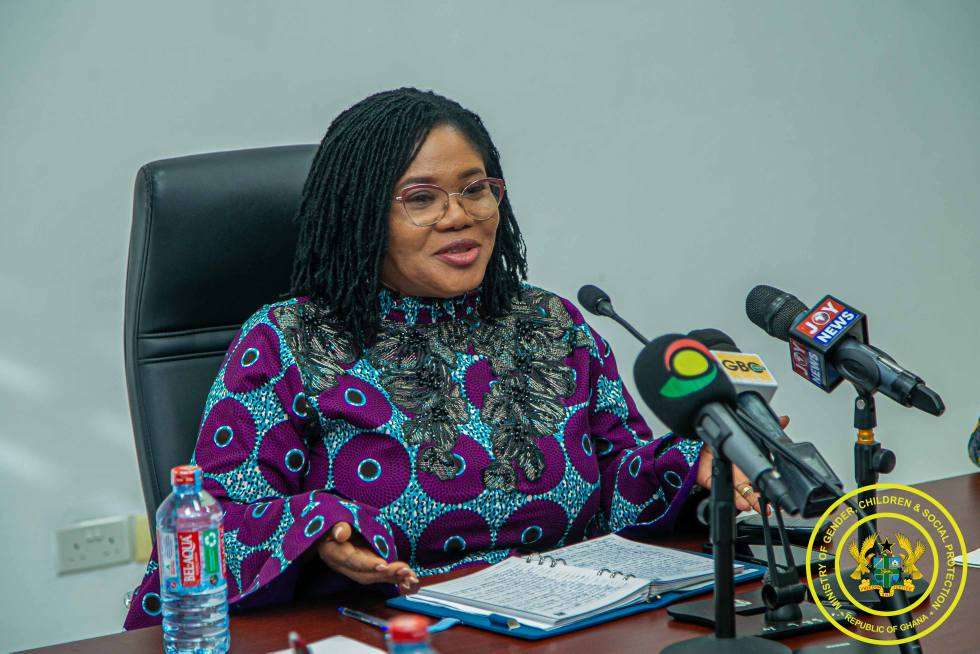
Minister Lartey attributed the sustained funding of the programme to deliberate policy choices reflected in the 2025 national budget. She noted that increased allocations to LEAP have strengthened its operational capacity and created room for broader coverage.
“The enhanced funding has made it possible for us not only to maintain regular payments but also to plan for the expansion of the programme to reach more households in need”.
Minister for Gender, Children, and Social Protection, Agnes Naa Momo Lartey
Budget Support
Data from the 2025 Budget Statement support this assertion, showing that government allocations for LEAP rose significantly from approximately GH¢728.8 million in 2024 to GH¢953.5 million in 2025.
This increase represents one of the most notable year-on-year boosts to social protection spending, signalling a shift toward deeper investment in welfare-oriented programmes. According to the minister, the improved budgetary support positions the government to scale up the programme in subsequent payment cycles.
She disclosed that the target is to expand LEAP coverage to about 400,000 households nationwide, ensuring that more vulnerable individuals and families receive direct income support. The LEAP programme targets specific categories of beneficiaries identified as being at high risk of poverty and social exclusion.
These include households caring for orphans and vulnerable children, elderly persons aged 65 years and above who lack caregivers, persons with severe disabilities who are unable to work, as well as impoverished pregnant and lactating women with infants.

By focusing on these groups, the programme aims to address extreme poverty while promoting dignity and social inclusion. Implemented by the Ministry of Gender, Children, and Social Protection, LEAP provides cash transfers designed to improve living conditions and support essential household needs.
Beneficiary households are expected to use the funds to enhance nutrition, access basic healthcare, support children’s education, and, where possible, engage in small income-generating activities that can improve long-term resilience.
Breaking the Cycle of Poverty
The Minister emphasized that LEAP is not merely a welfare handout but a strategic intervention aimed at breaking the cycle of poverty. She explained that predictable cash transfers help stabilize household consumption and allow beneficiaries to make informed decisions about health, education, and livelihoods.
Over time, these outcomes contribute to human capital development and social cohesion. She further noted that the programme aligns with broader government objectives of reducing inequality and ensuring that economic recovery efforts are inclusive.
In her view, strengthening social protection systems is essential to achieving balanced national development, particularly in communities that have historically been left behind.
The minister also stressed that the government remains committed to improving the efficiency and transparency of LEAP payments. Ongoing efforts include strengthening beneficiary databases, improving payment systems, and working with local authorities to ensure that eligible households are accurately identified and supported.
Beyond the immediate financial relief, LEAP continues to play a role in linking beneficiaries to complementary services, including health insurance registration, educational support for children, and community-based development initiatives.
These linkages, according to the ministry, are critical to ensuring that cash transfers translate into meaningful and lasting improvements in quality of life. Minister Lartey concluded by reaffirming the government’s dedication to protecting the most vulnerable members of society.
She said the increased investment in LEAP demonstrates a clear policy choice to prioritise social welfare, reduce poverty gaps, and promote shared prosperity. As future payment cycles are rolled out, she expressed confidence that the programme would continue to serve as a cornerstone of Ghana’s social protection architecture.
READ ALSO: Ghana’s IMF Programme Nears Crucial Endgame as Extension Talks Begin