Former Bangladeshi Prime Minister Khaleda Zia, has died at the age of 80 after a prolonged illness.
Her Bangladesh Nationalist Party (BNP) said in a statement that she died at 6am local time (00:00 GMT).
“Our beloved national leader is no longer with us. We pray for the forgiveness of her soul and request everyone to offer prayers for her departed soul.”
Bangladesh Nationalist Party (BNP)
According to a Bangladesh news website, Zia died at the Evercare Hospital in Dhaka, where she was admitted on November 23 with symptoms of a lung infection. Her doctors said she had advanced cirrhosis of the liver, arthritis, diabetes, and chest and heart problems.
Zia was the first woman elected Prime Minister of Bangladesh. Her death closes a chapter spanning more than three decades during which she and her rival Sheikh Hasina dominated Bangladeshi politics.
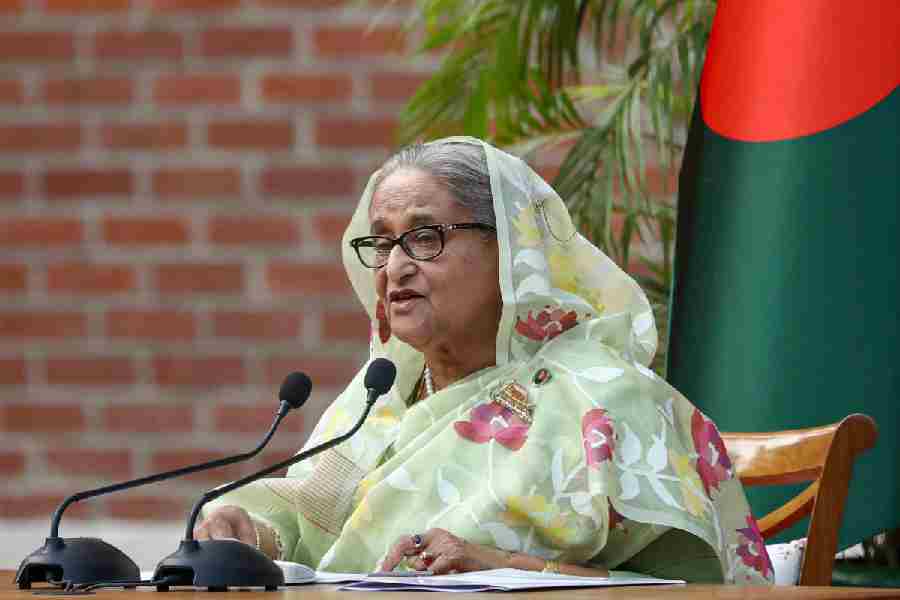
Zia’s legacy, like Hasina’s, remains deeply contested. Both women fought for democracy, against authoritarianism. While Zia, unlike Hasina, was never accused of carrying out mass atrocities against critics, she too was known to be a polarising figure.
Her uncompromising style while in opposition; leading election boycotts and prolonged street movements, combined with recurring allegations of corruption when she was in power, made her a figure who inspired intense loyalty among supporters and equal distrust among her critics.


Zia had faced corruption cases which she said were politically motivated. She was jailed but moved to house arrest in March 2020 on humanitarian grounds as her health deteriorated.
The BNP said that after she was released from prison due to illness in 2020, her family sought permission for treatment abroad at least 18 times from Hasina’s administration, but the requests were rejected.
Following Hasina’s ouster in 2024, the Yunus-led interim government finally allowed her to go. She went to London in January and returned to Bangladesh in May.
In January 2025, the Supreme Court acquitted Zia in the last corruption case against her, which would have let her run in February’s general election.
Despite years of ill health and imprisonment, Khaleda had promised in November to campaign in elections set for February – the first vote since the mass uprising that toppled her archrival last year.
Bangladesh Announces Three-day Mourning Period
Bangladesh’s interim government announced a three-day mourning period. A general holiday also was announced for Wednesday when Zia’s funeral prayers are scheduled be held in front of the country’s national Parliament building in Dhaka after midday prayers, before she is buried alongside her late husband, the assassinated former President Ziaur Rahman.
Bangladesh’s interim leader Muhammad Yunus issued a statement citing Zia’s contributions to the country.
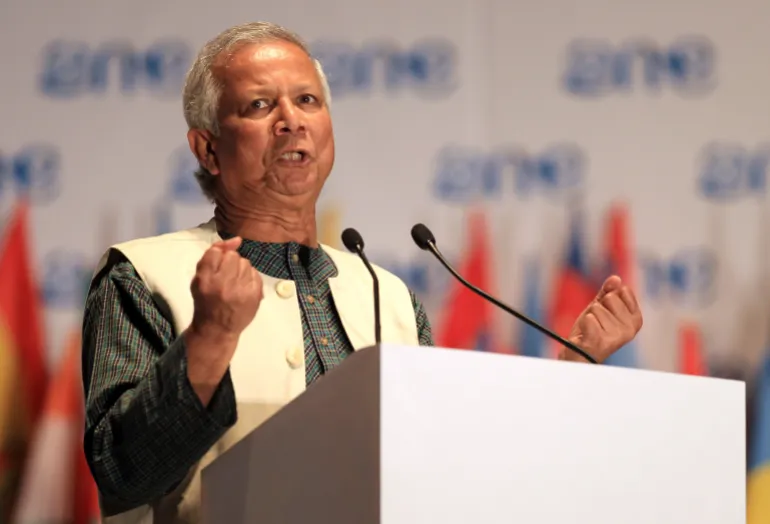
“Her role in the struggle to establish democracy, a multi-party political culture, and the rights of the people in Bangladesh will be remembered forever.”
Muhammad Yunus
Indian Prime Minister, Narendra Modi offered condolences in a statement, noting that “as the first woman Prime Minister of Bangladesh, her important contributions toward the development of Bangladesh, as well as India-Bangladesh relations, will always be remembered.”
Pakistani Prime Minister, Shehbaz Sharif described Zia as a “committed friend of Pakistan” and said his government and the people of Pakistan stand with Bangladesh “in this moment of sorrow.” “Her lifelong service to Bangladesh and its growth and development leaves a lasting legacy,” he added.
Sajeeb Wazed, son of former Bangladesh Prime Minister Sheikh Hasina, said in a statement that Zia’s demise “will leave a deep impact on the country’s (democratic) transition.” He stated that Zia will be remembered for her contributions in nation building but “her death is a blow to stabilize Bangladesh.”
Hasina issued a statement from exile in India saying that Zia’s death was “an irreparable loss” for politics in Bangladesh and recalled her contributions in establishing the nation’s democracy.
READ ALSO: China Flexes Military Muscle with Live-Fire Drills Around Taiwan