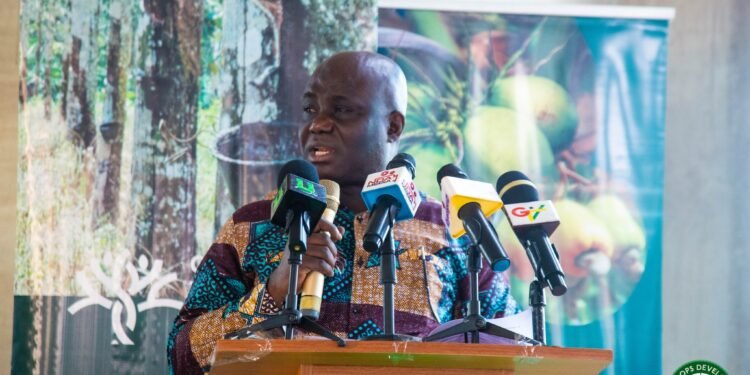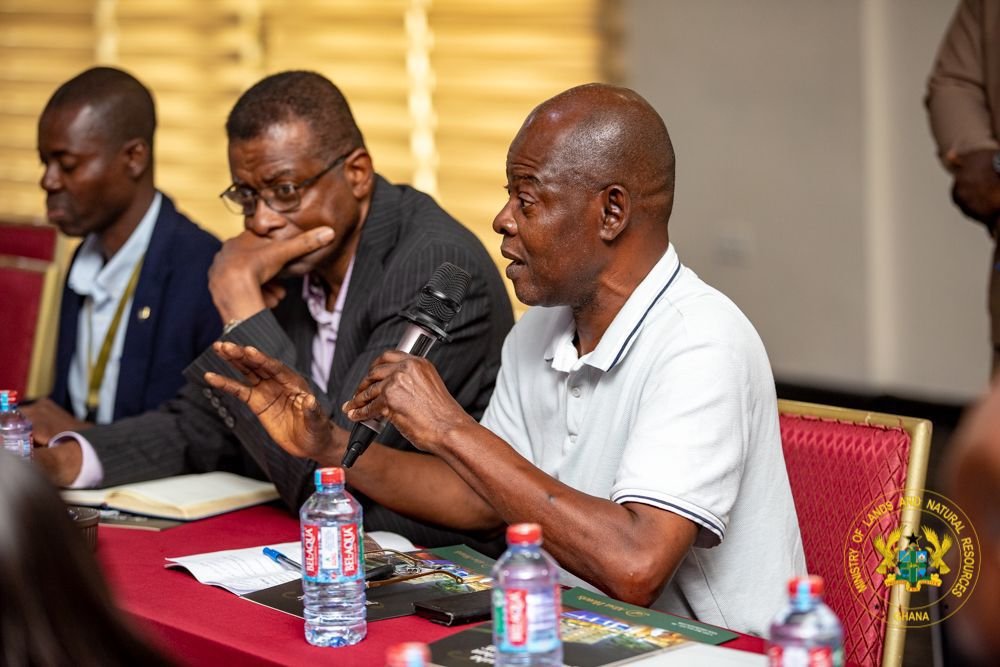
Dr. Steve Manteaw, Policy Analyst and Natural Resource Governance Expert has stressed that the establishment of the Ghana Gold (GoldBod), marks a transformative shift in Ghana’s natural resource governance, moving beyond the traditional limitations of the former Precious Minerals Marketing Company (PMMC).
Driven by the Gold Board Statute of Establishment, Act 1140, this specialized agency functions as a quasi-commercial and quasi-regulatory body designed to centralize the trade of one of the nation’s most precious assets.
According to Dr. Steve Manteaw, the primary objective is to harness gold trading to stabilize the local currency.
By ensuring that the foreign exchange earned from gold exports flows directly into the national economy, GoldBod provides a critical buffer that allows Ghanaian businesses to access dollars at a more competitive cost, effectively shoring up the cedi.
“Gold Board is an innovative approach to enhancing our benefits from our gold trade. It may not be perfect at this time because it doesn’t have a precedent to be able to follow. What the Gold Board is doing is reflecting in the stabilization of our local currency, which means we are doing something right.”
Dr. Steve Manteaw
Expanding on this mandate, Dr. Manteaw emphasized that GoldBod is still in its foundational phase, having only recently completed a rigorous recruitment exercise conducted by KPMG.
While the board’s offices are still being furnished and operational equipment is being installed, its strategic importance cannot be understated.


A central pillar of its roadmap is the implementation of a comprehensive traceability system to sanitize the supply chain.
Working in partnership with the UK-Ghana Gold Programme, GoldBod is currently reviewing proposals for a “track and trace” mechanism that will prevent illicitly mined gold from entering the formal market.
This initiative aligns Ghana with international standards, specifically the OECD Guidelines on Responsible Mineral Sourcing and the Financial Action Task Force (FATF) requirements, ensuring that every ounce of gold traded is vetted against money laundering risks and ethical standards.
Navigating the Challenges of a New Regulatory Frontier
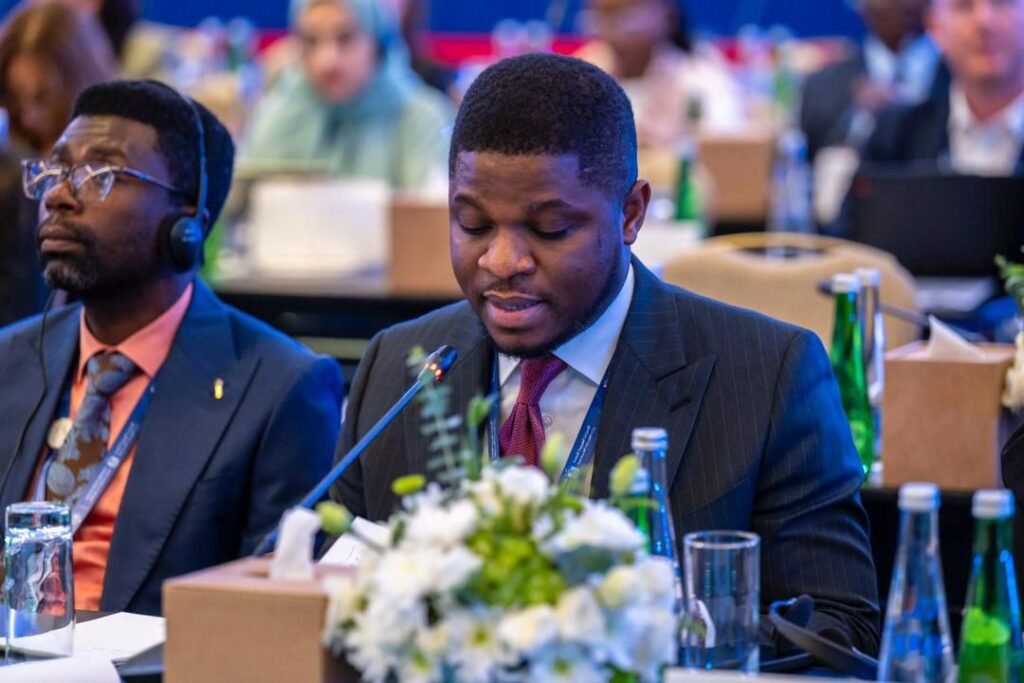
The journey toward a fully functional GoldBod has not been without significant debate and public scrutiny. Recent controversies have emerged following reports from the International Monetary Fund (IMF), which suggested that the domestic gold purchasing programme incurred operational shortfalls.
Critics have questioned the financial sustainability of the board, pointing to a reported $214 million loss.
However, Dr. Manteaw and GoldBod officials, including CEO Sammy Gyamfi, have countered these narratives by explaining that the “losses” are often mischaracterized.
They argued that the programme operates on a zero-margin architecture, buying gold at full market price to ensure miners receive fair value meaning operational costs like logistics and staffing are not covered by trade margins but are an investment in national reserve accumulation.
Bridging Gaps in Transparency and Due Diligence

A significant portion of Dr. Manteaw’s advocacy focuses on closing existing legal and operational gaps to protect Ghana’s reputation. Through the UK Ghana Gold Programme, technical experts have facilitated high-level meetings between GoldBod and the Financial Intelligence Centre (FIC).
These collaborations have led to more stringent licensing protocols where applicants undergo rigorous police background checks and money laundering assessments.
Dr. Manteaw notes that while the initial operational instruments have been updated, further amendments to the Primary Act are necessary to fully integrate Beneficial Ownership (BO) data.
This would ensure that the identities of those behind gold-buying companies are transparent, preventing “unscrupulous persons” from using the sector for illicit financial flows.
Future Outlook: A Model for Resource-Led Growth

Looking ahead, the success of GoldBod is viewed as a blueprint for other resource-rich African nations seeking to reclaim sovereignty over their minerals.
The institution’s mandate to publish quarterly reports and maintain public disclosure reflects a commitment to the transparency standards of the Ghana Extractive Industries Transparency Initiative (GHEITI).
By the first quarter of 2026, the board aims to deploy a blockchain-based system to trace gold from “mine head to market,” further deterring “galamsey” and smuggling.
Dr. Manteaw encourages all Ghanaians to contribute constructive ideas to improve the project rather than “pulling down the house,” asserting that the current stability of the cedi is a testament to the fact that the GoldBod model is a step in the right direction for the nation’s economic future.
READ ALSO: China Holds Second Day Of Large-scale Military Drills Around Taiwan