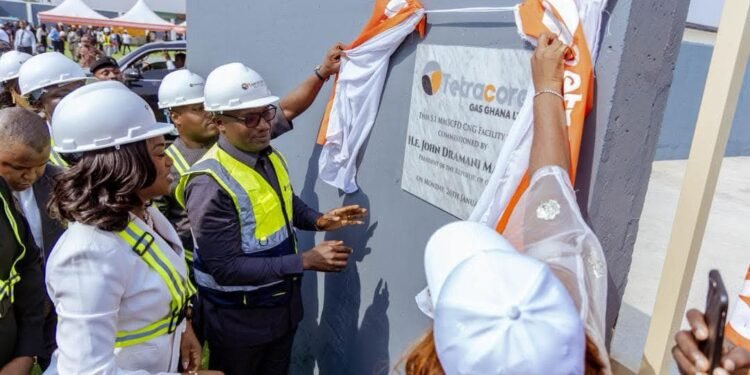
Ghana is moving closer to a major milestone in its energy transition, with renewable energy sources projected to account for 30 per cent of the country’s national energy mix in the coming years. The ambitious target signals a decisive shift in national energy policy aimed at strengthening energy security, reducing long-term costs and protecting the environment.
President John Dramani Mahama reaffirmed this commitment in his New Year address, outlining a renewed focus on accelerating reforms across the energy sector to deliver tangible benefits for households, businesses and the broader economy.
“We are working to achieve 30% share of renewable energy in our national energy mix, reducing costs and protecting our environment.”
President John Dramani Mahama
President Mahama underscored the administration’s resolve to rebalance Ghana’s energy sources away from heavy dependence on fossil fuels.
According to the President, the energy transition is no longer a future aspiration but an urgent national priority shaped by climate realities and economic pressures.
Policy-Driven Push to Strengthen Energy Security

The renewed emphasis on renewables is being driven largely by deliberate government policy aimed at insulating the economy from climate-related risks and volatile global fuel prices.


Ghana’s power system has historically relied on hydropower and thermal generation fueled by oil and gas, leaving it exposed to droughts, fuel supply disruptions and price shocks.
Energy analysts say expanding renewables such as solar, wind and biomass offers a more resilient pathway, particularly as demand for electricity continues to grow.
By diversifying the energy mix, Ghana diversifying the energy mix, Ghana is positioning itself to reduce operational costs over time while limiting the environmental footprint of power generation.
President Mahama noted that the transition is part of a broader reform agenda designed to modernize the sector. He stressed that reforms would not only focus on generation but also on improving efficiency, reliability and access across the entire power value chain.
Restoring Power Stability and Expanding Access
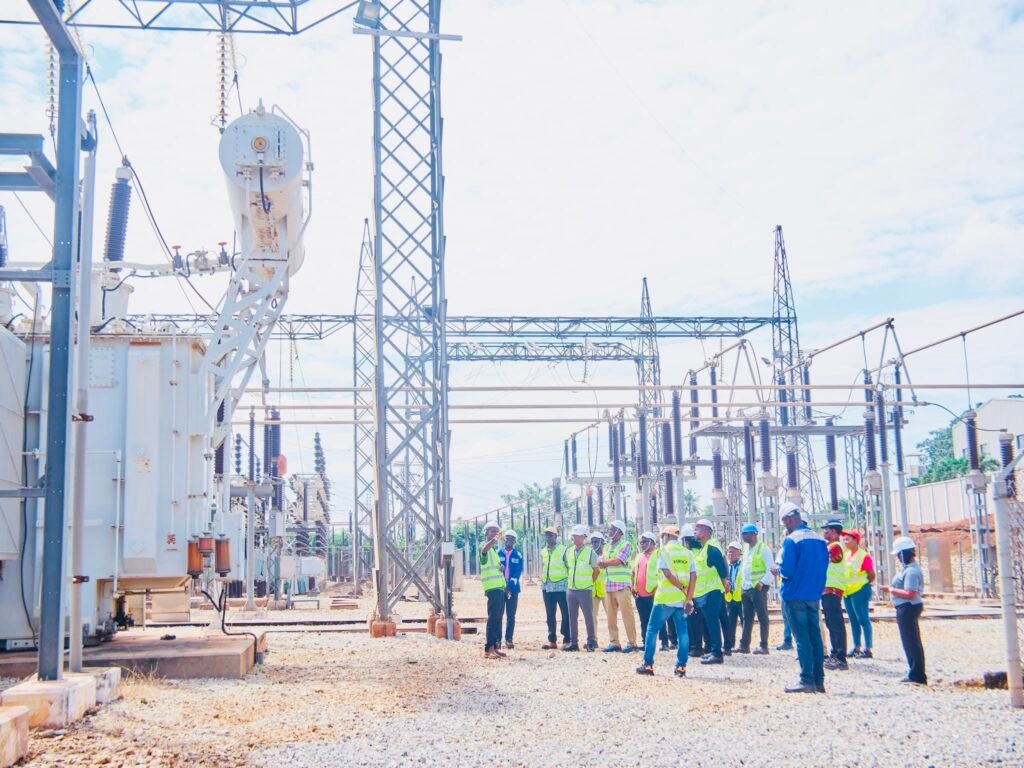
Beyond the renewable energy target, the President highlighted recent gains in power stability as a foundation for deeper reforms. He said Ghana has restored a consistent supply of electricity after periods of instability that affected productivity and household welfare.
“We have restored a consistent supply of electricity and are expanding the rural electrification network to more than a thousand additional communities.”
President John Dramani Mahama
President Mahama pointed to ongoing efforts to close the electricity access gap between urban and rural areas.
The expansion of rural electrification is expected to support agricultural processing, small-scale enterprises and social services in underserved communities.
Government officials believe that pairing grid expansion with decentralized renewable solutions, such as mini-grids and solar home systems, will accelerate progress toward universal access.
Renewables as a Tool for Cost Reduction

One of the key arguments behind Ghana’s push toward renewables is cost reduction over the long term. While initial investments in renewable infrastructure can be capital-intensive, operational costs are significantly lower compared to fossil fuel-based generation, which is sensitive to exchange rate movements and global price fluctuations.
Officials say increasing the share of renewables will help stabilize tariffs and reduce the need for costly emergency power solutions. This is particularly important as the government works to balance affordability for consumers with financial sustainability in the energy sector.
The President’s remarks suggest that renewable energy expansion will be aligned with broader fiscal and regulatory reforms, ensuring that investments are structured to deliver value for money while attracting private sector participation.
As Ghana enters a new phase of energy sector reform, the government’s message is clear: renewable energy will play a central role in shaping a more secure, affordable and sustainable power system.
With restored power stability, expanding access and an ambitious green target, the country is positioning itself as a regional leader in energy transition, translating policy commitments into practical outcomes for its citizens.
READ ALSO: IMANI Boss Hails Mahama’s First-Year Reset Strive, Pushes for Deeper Reforms