Ghanaians are expressing concern about an emerging affordability crisis following the implementation of new VAT reform this year, questioning the impact of the recent tax reforms.
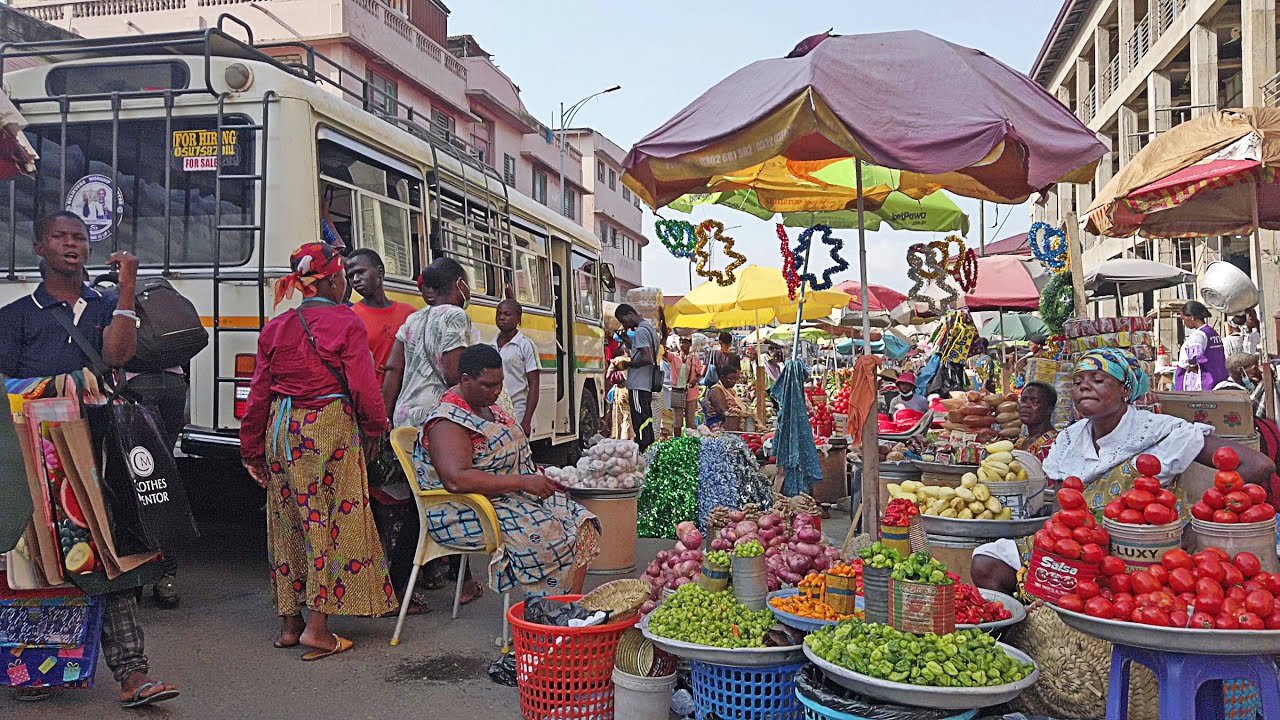
Dissatisfied Ghanaians view the trend as a punishment for young people, as food, rent, and university tuition fees rise. Some Ghanaians report that food price hikes are more pronounced in informal markets and roadside shops, while large shops like malls have seen price cuts.
The affordability crisis expressed by some Ghanaians, especially regarding the prices of goods, appears localized. The contrasting pricing realities experienced by Ghanaians reveal the pace at which policy reforms affect different economic milieus. In this case, the impact of the new VAT reform, whose implementation began on January 1, 2026, is considered to have reduced prices at formal sales points, while prices remain high at informal sales points.
The Two-sided Pricing Reality
The impact of the new VAT reforms across Ghana’s economy reveals a two-sided pricing reality for Ghanaian consumers. In formal, major, and urban shops and supermarkets, prices of household essentials have fallen, while in informal and small-scale shops and traditional markets, essential household items remain high.

This reflects reform-impact differentials on the welfare of different economic agents, driven by distinct economic systems. This emerging trend, as the new year begins, is not a sign of a failed policy but rather a characteristic of a diverse economic system, mainly the formal and informal markets.
According to analysts, the cause of this differential is the digital integration of the informal retail sector. The formal and large markets and shops, forming the minority retailers in the market system, operate with electronic Point of Sale (POS) systems directly linked to the Ghana Revenue Authority (GRA). This allows for a quick response to policy reforms as implemented by the government, especially when the policy reform is electronic.


The government’s decision to unify and present a more transparent VAT structure – which included the abolition of some levies, the reduction of specific tax rates, and the replacement of staggered initiatives – was intended to provide relief for Ghanaians.

However, these reliefs are limited because electronic Point of Sale systems reconfigure automatically for formal retailers, while the informal retailers require a longer time to achieve manual impact.
Analysts further disclose that formal shops, with formal frameworks, employ Input Tax Credits (ITC). This allows registered businesses, within a VAT or Goods and Services Tax (GST) system, to reduce the tax they owe on sales by the amount of tax they have already paid on purchases made for business purposes. It prevents the ‘cascading effect’ of taxes or ‘tax on tax,’ ensuring that tax is ultimately levied only on the value added at each stage of the supply chain.
The Informal Market Price Adjustments
The price adjustment process in small-scale markets, on the other hand, takes longer to take effect. Though these are informal and on a relatively small scale, they represent the majority of retail activity for many Ghanaian households. The first point of access is the informal retailers, hence the affordability crisis being felt. These small-scale open sales points typically operate with fixed or embedded pricing.
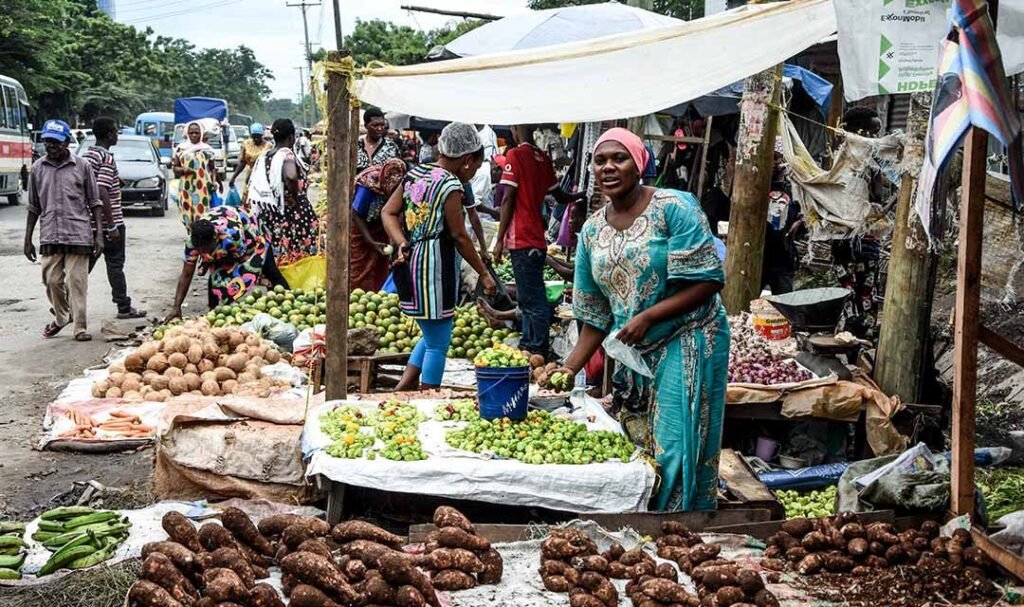
According to Economists, these informal markets maintain fixed prices to serve as a pecuniary buffer against anticipated cost hikes in the near future, such as increases in transport fares and utility charges. The VAT reforms do not add value to the informal markets but are absorbed into the total cost of goods purchased from distributors.
A ‘pass-through effect’ is a balancing effect in this situation. According to economists, this monetary policy term reflects the impact of the stability of the Ghana Cedi on input costs, final product prices, and inflation in general, while the percentage cost is passed on to consumers. A ‘pass-through effect’ in the long run bridges the gap if the Cedi remains stable. Market forces will compel the informal markets to reduce prices to compete, of a sort, with the formal and larger retail outlets.

Therefore, the essence and effort of the government’s new VAT reform cannot be downplayed, as it has a real economic impact on Ghanaian consumers and traders. The stability of the Cedi, however, remains the variable that determines whether prices of household items will align across the various economic systems, or the gap will remain. A robust Cedi empowers the purchasing power of consumers to purchase in any of the economic systems.
READ ALSO: BoG Sets 90-Day Approval Window Under New International Remittance Rules